Inquiry form

A fireplace should do more than look good in the room. It should suit the space, produce useful heat, operate reliably and be installed with the correct clearances, ventilation, electrical supply, gas connection or flue arrangement for the type of fireplace being used.

Major Appliances Repair provides professional fireplace installation and repairs in Johannesburg for homes, apartments, estates, hotels, guest houses, restaurants, lodges, offices and selected commercial properties.

We assist with:

  • gas fireplaces

  • electric fireplaces

  • wood-burning fireplaces

  • closed-combustion fireplaces

  • built-in fireplaces

  • freestanding fireplaces

  • selected flueless gas fireplaces

  • fireplace fault diagnosis

  • fireplace servicing

  • fireplace replacements and upgrades

  • selected chimney and flue-related problems

Our Johannesburg fireplace service covers Sandton, Randburg, Fourways, Bryanston, Rosebank, Hyde Park, Northcliff, Johannesburg South, Roodepoort, Bedfordview, Edenvale and surrounding areas.

Whether you are planning a new fireplace for a renovation, replacing an older unit or trying to repair a fireplace that will not ignite or produce heat, contact us to arrange an assessment.

Need fireplace installation or repairs in Johannesburg? Book a fireplace service today.

Fireplace Specialists Serving Johannesburg Homes and Businesses

Fireplaces are installed in very different types of Johannesburg properties.

A modern apartment may only be suitable for an electric fireplace.

A large home in Bryanston or Sandton may accommodate a built-in gas fireplace or closed-combustion wood-burning unit.

A restaurant may want a fireplace for both heating and atmosphere.

A guest house or lodge may have several fireplaces that require seasonal inspection before winter.

The correct solution depends on more than appearance.

Important considerations can include:

  • size of the room

  • intended heating area

  • fireplace type

  • available wall space

  • combustible materials nearby

  • flue route

  • chimney condition

  • ventilation

  • gas availability

  • electrical supply

  • property rules

  • estate or body-corporate requirements

  • access through walls or roof structures

For this reason, new fireplace installations should be planned around the actual property rather than simply choosing a unit based on appearance.

Fireplace Installation Johannesburg

We assist Johannesburg property owners with new fireplace installations, replacements and upgrades.

The installation requirements vary significantly between gas, electric and wood-burning fireplaces.

A typical installation assessment may consider:

  1. the room and property

  2. preferred fireplace location

  3. fireplace type

  4. heating requirement

  5. available flue or chimney route

  6. nearby combustible surfaces

  7. electrical or gas requirements

  8. finishing requirements

  9. safe operation and accessibility

The goal is to arrive at an installation that works both practically and visually within the room.

New Fireplace Installation for Johannesburg Homes

Fireplaces are popular additions to:

  • lounges

  • open-plan living areas

  • entertainment rooms

  • dining rooms

  • bedrooms where appropriate

  • entrance or reception areas

  • enclosed patios

  • restaurants

  • guest-house common areas

Johannesburg homeowners often add fireplaces during:

  • renovations

  • home extensions

  • interior redesigns

  • heating upgrades

  • fireplace replacements

  • conversions from older heating systems

If you are still deciding between gas, electric and wood-burning options, an assessment can help determine which installation is practical for the property.

Gas Fireplace Installation Johannesburg

Gas fireplaces offer convenient heat without the need to store and handle firewood.

They are commonly selected for modern houses, renovated living areas, hotels, restaurants and other properties where controlled operation and a clean appearance are important.

Gas fireplace installation may involve:

  • fireplace positioning

  • gas supply planning

  • appliance connection

  • ventilation considerations

  • burner and ignition setup

  • finishing around the fireplace

  • testing and commissioning

Gas installation work must follow the applicable South African gas requirements.

Where a gas installation or modification requires work by an authorised gas practitioner or a Certificate of Conformity, that work must be handled through the appropriate compliant route.

Gas Fireplace Repairs Johannesburg

A gas fireplace can develop faults even when the gas supply itself remains available.

We assist with selected problems such as:

  • fireplace not igniting

  • pilot flame not staying on

  • ignition clicking without flame

  • weak flame

  • unstable flame

  • fireplace shutting down

  • thermocouple problems

  • ignition electrode faults

  • burner problems

  • control faults

  • unusual gas smell

A gas fireplace that repeatedly fails to remain lit may have a flame-safety, thermocouple, burner or gas-control problem.

The correct repair depends on diagnosing the cause rather than repeatedly attempting to relight the unit.

Gas Fireplace Not Igniting

Failure to ignite is one of the most common gas fireplace complaints.

Possible causes can include:

  • ignition electrode fault

  • pilot assembly issue

  • blocked burner or pilot opening

  • thermocouple problem

  • damaged controls

  • gas supply problem

  • ignition module fault

  • battery or electrical supply issue on some systems

The symptoms help determine where diagnosis should begin.

Gas Fireplace Pilot Light Keeps Going Out

A pilot that lights but repeatedly goes out can point to several possible issues.

These may include:

  • thermocouple fault

  • inadequate flame reaching the sensor

  • dirty pilot assembly

  • gas-flow problem

  • control-valve issue

Because the flame-safety system is designed to stop uncontrolled gas flow, the appliance should be inspected rather than forced to remain operational.

What to Do If You Smell Gas Near a Fireplace

A gas smell should always be taken seriously.

If you suspect gas is escaping:

  • stop using the fireplace

  • turn off the gas supply where it is safe to do so

  • avoid flames

  • avoid unnecessary electrical switching around the suspected leak

  • ventilate the area where safe

  • arrange appropriate professional assistance

Do not repeatedly attempt to ignite a gas fireplace when gas is present without reliable ignition.

Electric Fireplace Installation Johannesburg

Electric fireplaces offer a practical alternative where gas or wood-burning installation is unsuitable.

They are particularly useful for:

  • apartments

  • townhouses

  • offices

  • reception areas

  • bedrooms

  • modern renovations

  • properties where a traditional chimney is impractical

Electric fireplaces are available in several formats, including:

  • wall-mounted fireplaces

  • built-in electric fireplaces

  • inset fireplaces

  • freestanding units

  • decorative flame-effect fireplaces with heating

Installation requirements vary by model and may include wall preparation, recess construction and suitable electrical supply.

Electric Fireplace Repairs Johannesburg

Electric fireplaces combine heating elements, electrical controls and often decorative lighting or flame effects.

We assist with selected faults such as:

  • fireplace not switching on

  • fireplace switches on but does not heat

  • heater cutting out

  • fan not operating

  • noisy blower

  • thermostat problems

  • controls not responding

  • flame effect not working

  • electrical tripping

  • remote-control issues

An electric fireplace that repeatedly trips electricity should be disconnected from use until the fault has been diagnosed.

Electric Fireplace Not Heating

If the decorative flame effect works but no heat is produced, the problem may involve:

  • heating element

  • thermostat

  • thermal protection

  • fan

  • electrical control

  • internal wiring

Diagnosis should identify the failed component before replacement.

Wood-Burning Fireplace Installation Johannesburg

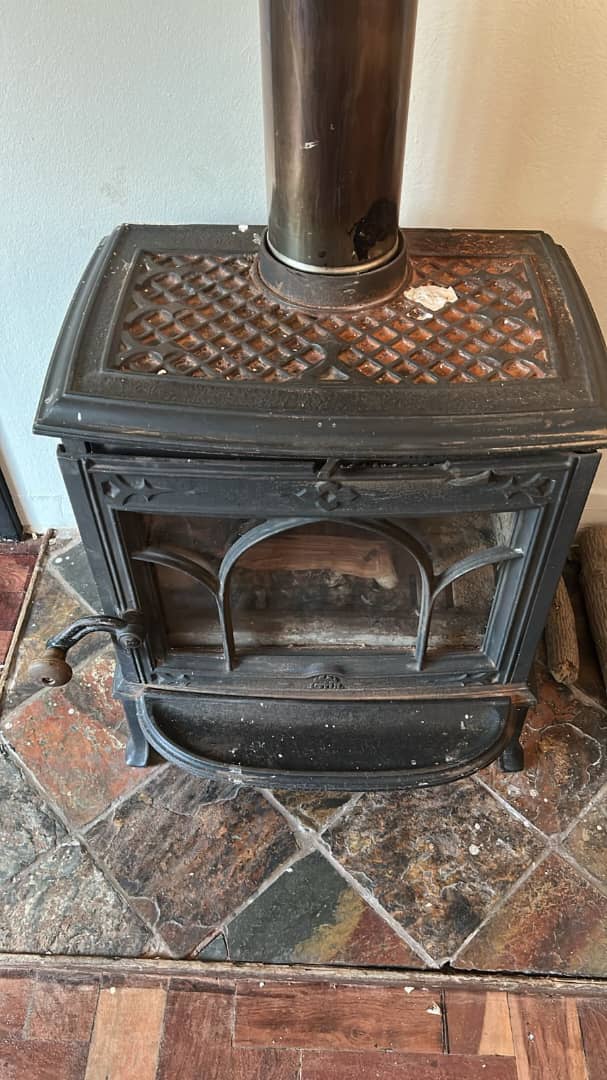
Wood-burning fireplaces remain popular for homeowners who want strong physical heat and the traditional experience of a real wood fire.

Types can include:

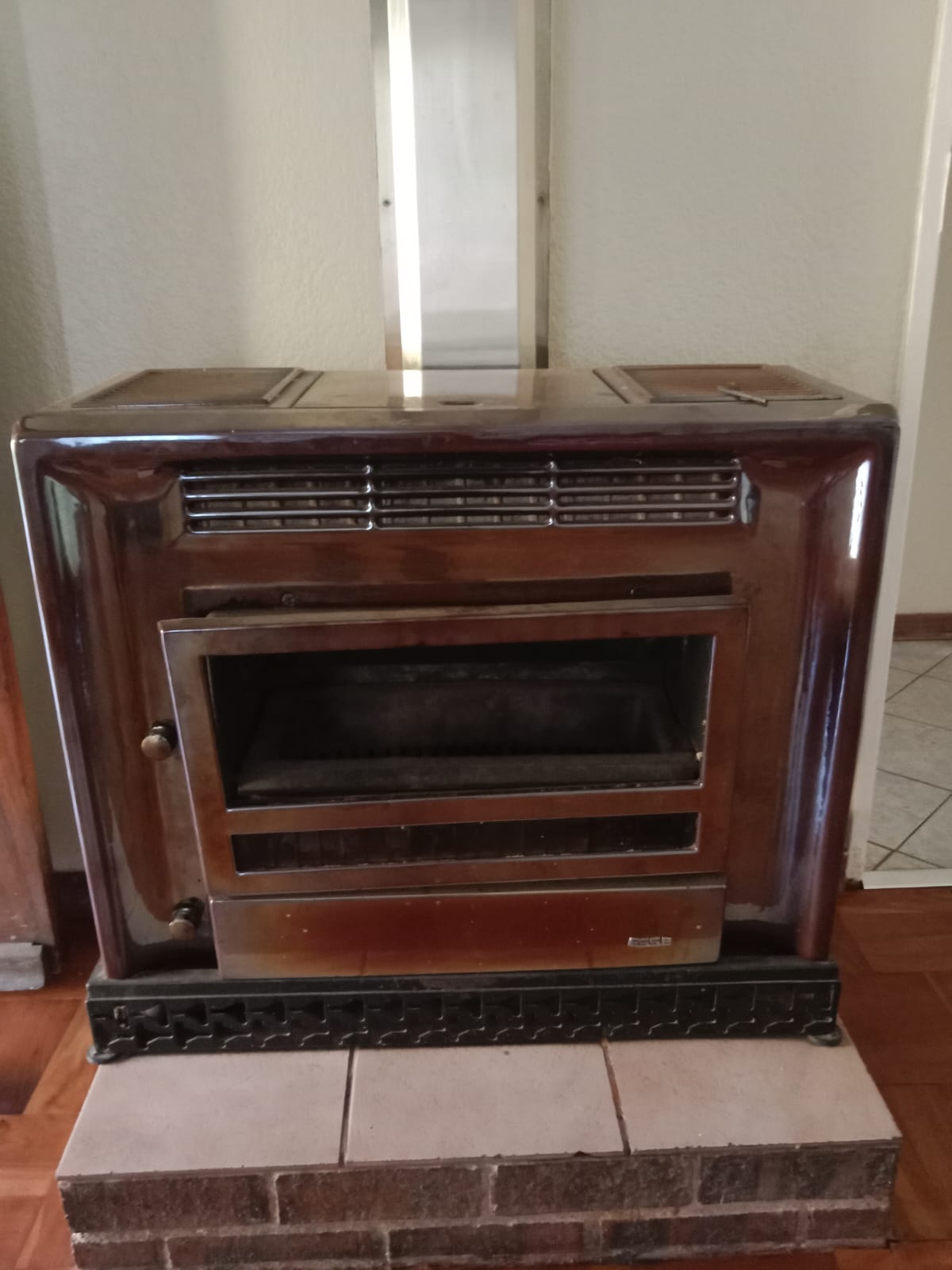
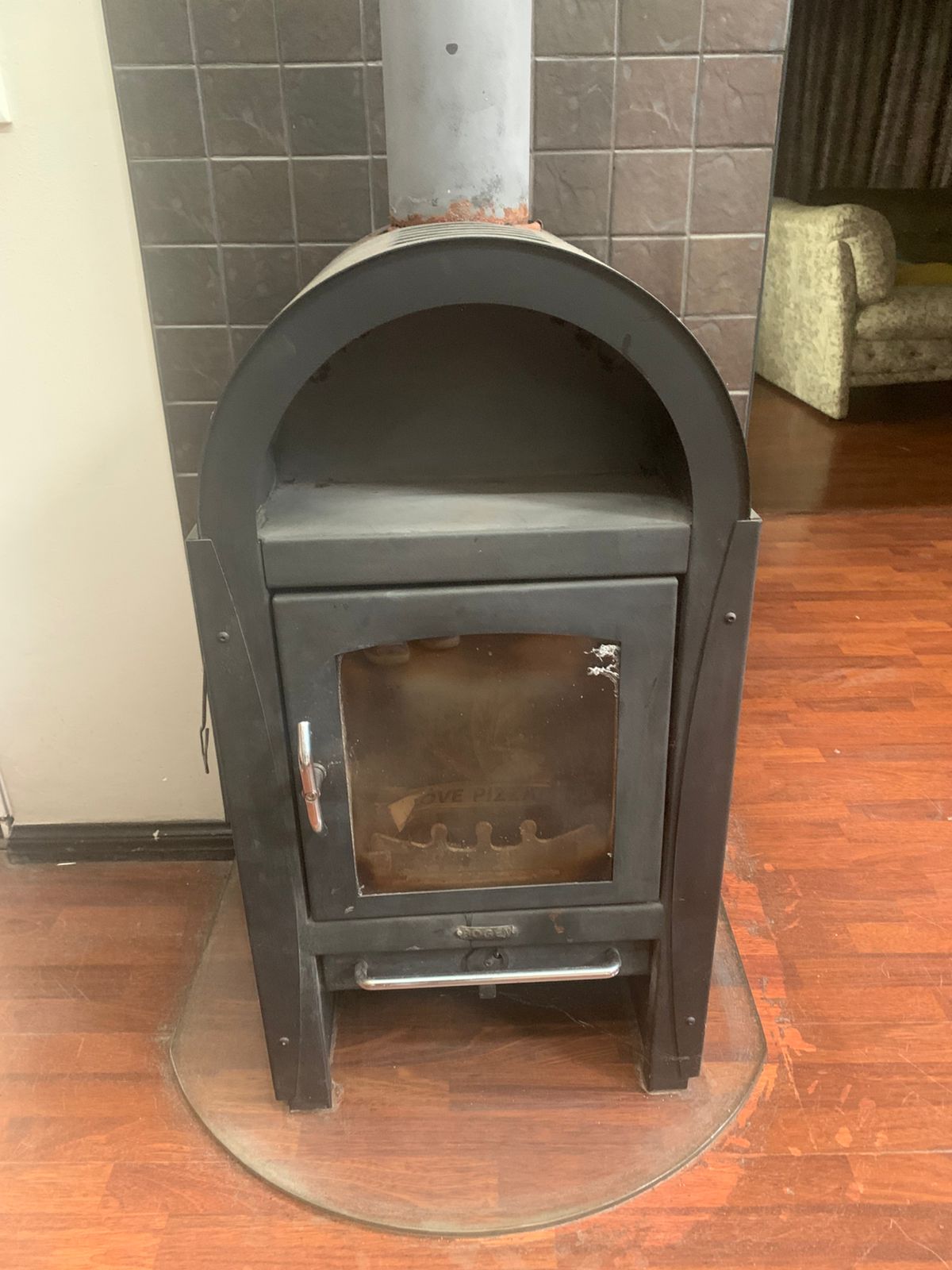
  • freestanding wood-burning stoves

  • built-in fireplaces

  • closed-combustion fireplaces

  • traditional open fireplaces

Wood-burning fireplace installation requires particular attention to:

  • fireplace position

  • clearances from combustible materials

  • hearth protection

  • flue diameter

  • flue height

  • roof penetration

  • chimney configuration

  • weather sealing

  • draft

  • ventilation

Correct flue design is critical because the fireplace depends on proper draft to remove combustion gases and smoke.

Closed-Combustion Fireplace Installation Johannesburg

Closed-combustion fireplaces use a sealed firebox rather than an open hearth.

They are commonly chosen by homeowners seeking more controlled combustion and better heat utilisation than a traditional open fireplace.

Installation planning should consider:

  • fireplace heat output

  • room size

  • manufacturer specifications

  • chimney or flue arrangement

  • floor or hearth protection

  • clearances

  • access for servicing

The fireplace should be selected according to the space it needs to heat rather than simply choosing the largest available model.

Freestanding Fireplace Installation Johannesburg

Freestanding fireplaces can provide flexibility in rooms where a built-in fireplace is impractical.

They may be positioned:

  • against a suitable wall

  • in a living area

  • within an entertainment room

  • in selected open-plan spaces

The flue route remains an important part of planning a wood-burning or certain gas installations.

Built-In Fireplace Installation Johannesburg

Built-in fireplaces are often incorporated into feature walls, masonry structures or custom cabinetry.

Installation planning needs to consider both the fireplace manufacturer’s requirements and the materials surrounding the unit.

A built-in fireplace may require coordination between:

  • fireplace installer

  • gas practitioner

  • electrician

  • builder

  • carpenter or joiner

  • tiler or stone installer

The exact trades involved depend on the fireplace type and the design of the room.

Fireplace Replacement and Upgrades Johannesburg

Older fireplaces can sometimes be replaced rather than continually repaired.

A fireplace upgrade may be considered when:

  • the existing unit is heavily damaged

  • important replacement parts are unavailable

  • the fireplace produces poor heat

  • the design no longer suits the room

  • the homeowner wants easier operation

  • a renovation changes the room configuration

Replacement options may include moving from:

  • older gas fireplace to newer gas unit

  • open wood fireplace to closed-combustion fireplace

  • unused fireplace opening to electric insert

  • dated built-in unit to a modern fireplace design

The feasibility of a conversion depends on the existing installation and property.

Fireplace Repairs Johannesburg

Not every fireplace problem requires replacement.

We assist with selected fireplace repairs involving symptoms such as:

  • fireplace not igniting

  • fireplace not heating

  • weak heat output

  • fireplace switching off

  • pilot light going out

  • fan making noise

  • thermostat not responding

  • electrical fireplace tripping power

  • smoke entering the room

  • poor chimney draft

  • damaged door seals

  • damaged fireplace glass

  • loose or damaged internal components

Diagnosis should establish whether the problem is with the fireplace itself, fuel supply, electrical supply, chimney, flue or installation arrangement.

Fireplace Producing Smoke Inside the House

Smoke entering the room should not be considered normal for a properly operating wood-burning fireplace.

Possible causes can include:

  • blocked chimney

  • restricted flue

  • insufficient chimney height

  • poor draft

  • incorrect flue configuration

  • excessive negative pressure inside the house

  • unsuitable fuel

  • fireplace door or seal problems

A fireplace that suddenly starts smoking after previously operating normally may have a blockage or maintenance issue.

Persistent smoke problems with a newly installed unit may indicate an installation or draft problem.

Chimney and Flue Problems Johannesburg

The chimney or flue is critical to the operation of wood-burning and certain gas fireplaces.

Problems can include:

  • poor draft

  • blockage

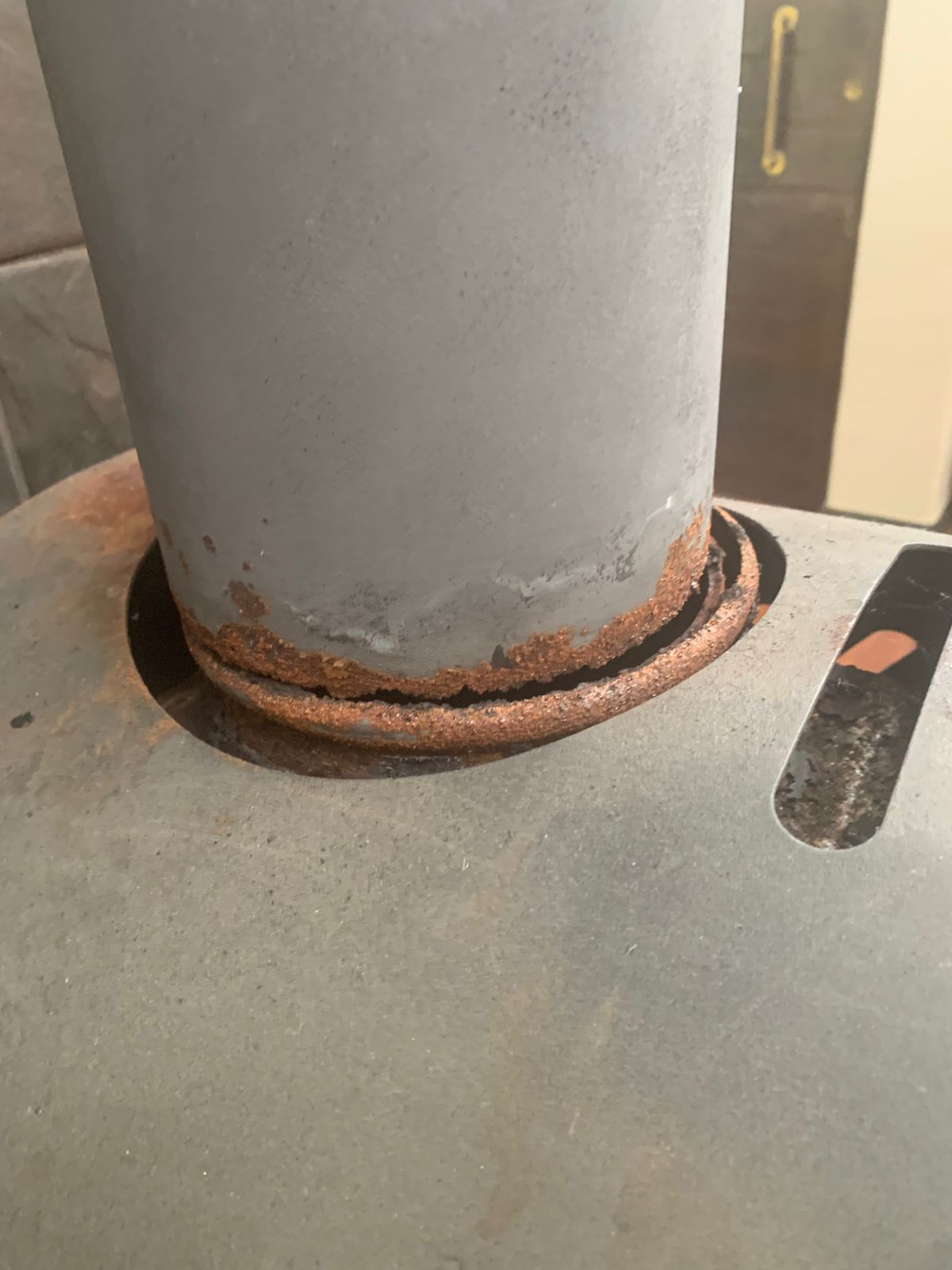
  • creosote or soot accumulation

  • damaged flue sections

  • incorrect connections

  • rainwater entry

  • loose cowl

  • smoke leakage

  • inadequate chimney height

Where the fireplace problem appears related to the chimney or flue rather than the appliance, the appropriate inspection or specialist work should be arranged.

Fireplace Chimney Cleaning and Maintenance

Wood-burning fireplaces create soot and combustion deposits over time.

Chimney maintenance is important because excessive deposits can:

  • restrict airflow

  • reduce draft

  • increase smoke problems

  • create unpleasant smells

  • contribute to chimney-fire risk

The cleaning frequency depends on fireplace use, wood quality and chimney design.

A heavily used fireplace should receive more frequent attention than an occasional decorative fireplace.

Fireplace Servicing Johannesburg

Fireplaces are often ignored during warmer months and then expected to operate immediately when Johannesburg temperatures fall.

A pre-winter inspection can help identify problems before the fireplace is needed regularly.

Depending on the fireplace type, servicing may involve checking:

  • ignition

  • burner condition

  • flame behaviour

  • door seals

  • fireplace glass

  • electrical controls

  • thermostat

  • fan or blower

  • chimney or flue condition

  • visible appliance connections

Gas, wood and electric fireplaces require different maintenance procedures.

Pre-Winter Fireplace Servicing Johannesburg

Johannesburg winter nights can become cold enough for fireplaces to be used continuously for several months.

The best time to identify a fireplace problem is before the first cold spell rather than during it.

Consider booking a pre-winter inspection if:

  • the fireplace was not used for many months

  • ignition was unreliable last season

  • the chimney has not been inspected recently

  • there were smoke problems previously

  • the fireplace fan became noisy

  • the unit repeatedly shut down

  • the fireplace has recently changed ownership with the property

Fireplace Installation for Johannesburg Renovations

A renovation is often the easiest time to install a fireplace because walls, ceilings and finishes are already being changed.

For new fireplace installations, early planning can make it easier to determine:

  • fireplace position

  • flue route

  • gas route

  • electrical supply

  • ventilation

  • feature-wall design

  • floor protection

  • cabinetry and finishes

Planning before construction is complete can avoid unnecessary alterations later.

Fireplace Installation for New Homes

A fireplace can be incorporated into the design of a new home rather than added afterward.

This gives the property owner greater flexibility over:

  • fireplace placement

  • chimney position

  • gas routing

  • electrical points

  • room layout

  • feature-wall design

  • heating coverage

Where architects, builders or interior designers are involved, the fireplace requirements should be considered early in the project.

Fireplaces for Johannesburg Apartments and Townhouses

Not every fireplace type is appropriate for an apartment or townhouse.

Electric fireplaces can often provide the simplest option because they do not require a conventional wood-burning chimney.

Gas installations may also be possible in certain properties, but building rules, ventilation, gas routing and compliance requirements need to be considered.

Before planning an external flue or structural alteration in a sectional-title property, confirm the relevant body-corporate requirements.

Fireplace Installation for Estates

Johannesburg has many secure residential estates in Sandton, Fourways, Bryanston, Dainfern and surrounding northern suburbs.

Estate properties may have architectural or contractor-access requirements that affect installation.

When booking a site assessment, let us know about:

  • security access

  • contractor registration

  • working-hour restrictions

  • estate building rules

  • renovation approval requirements

This can make scheduling easier.

Commercial Fireplace Installation Johannesburg

Fireplaces are not limited to private homes.

They can also be used in:

  • restaurants

  • hotels

  • lodges

  • guest houses

  • reception areas

  • offices

  • hospitality venues

  • selected retail spaces

In commercial environments, installation planning may need to consider customer traffic, ventilation, fire safety, operating hours and ongoing servicing access.

Fireplace Repairs for Restaurants and Hotels

Restaurants, guest houses and hotels sometimes rely on fireplaces as part of both heating and customer experience.

We assist with selected faults affecting:

  • gas fireplaces

  • electric fireplaces

  • wood-burning fireplaces

  • ignition systems

  • fans

  • thermostats

  • flame controls

Commercial fireplace faults should ideally be addressed before peak winter use.

For broader business repairs, visit our commercial appliance repairs Johannesburg page.

Choosing the Right Fireplace for a Johannesburg Home

There is no single fireplace type that is best for every property.

Choose gas when:

You want convenient ignition, controllable heat and a real flame without handling firewood.

Choose electric when:

Installation simplicity, decorative flexibility and suitability for apartments or rooms without a chimney are priorities.

Choose wood-burning when:

You want strong physical heat and are prepared to store fuel and maintain the chimney or flue.

Consider closed combustion when:

You want a wood-burning fireplace with a controlled firebox rather than an open hearth.

The correct choice depends on the room, budget, building configuration and heating requirement.

Fireplace Size and Heat Output

Selecting a fireplace that is too small may leave the room cold.

Selecting one that is unnecessarily large can lead to uncomfortable heat or inefficient operation.

Factors influencing fireplace sizing include:

  • room dimensions

  • ceiling height

  • open-plan layout

  • insulation

  • number of external walls

  • glass areas

  • Johannesburg winter conditions

  • intended heating area

Manufacturer heating specifications should be considered when selecting the unit.

Fireplace Brands We Work With

Johannesburg properties use fireplaces from many local and international manufacturers.

Depending on the fireplace type, model and parts availability, support may be available for brands such as:

  • Jetmaster

  • Chad-O-Chef

  • Home Fires

  • Heatmaster

  • Firefox

  • Dovre

  • Paloma

  • Megamaster

  • selected other fireplace brands

Actual repair support depends on the model, condition and availability of suitable components.

Jetmaster Fireplace Repairs Johannesburg

Jetmaster is one of South Africa’s longstanding fireplace brands and is installed in many Gauteng properties.

We assist with selected Jetmaster fireplace faults depending on:

  • fireplace type

  • model

  • symptoms

  • installation

  • availability of appropriate parts

The correct repair begins with identifying whether the fault lies with the fireplace itself or with the surrounding chimney, flue, electrical or gas system.

Chad-O-Chef Gas Fireplace Repairs Johannesburg

Chad-O-Chef produces gas fireplaces commonly used in South African homes.

Selected gas fireplace problems may involve:

  • ignition

  • pilot system

  • burner

  • flame-safety components

  • controls

Gas-related servicing and installation must respect the relevant compliance requirements.

Fireplace Installation and Repairs Sandton

Sandton is one of Johannesburg’s strongest fireplace markets because of its concentration of larger homes, luxury apartments, hotels and hospitality properties.

We assist with selected installations and repairs in:

  • Sandton Central

  • Morningside

  • Rivonia

  • Hyde Park

  • Sandhurst

  • Benmore Gardens

  • surrounding suburbs

For wider appliance support, visit our appliance repairs Sandton page.

Fireplace Installation and Repairs Bryanston

Bryanston has many large residential properties where fireplaces are incorporated into lounges, open-plan living areas and entertainment spaces.

We assist with:

  • new fireplace installations

  • replacement fireplaces

  • gas fireplace faults

  • electric fireplace faults

  • selected wood-burning fireplace problems

For broader property appliance support, visit our appliance repairs Bryanston page.

Fireplace Installation and Repairs Fourways

Our Johannesburg fireplace coverage extends through Fourways and nearby northern suburbs.

This includes homes, estates, townhouses, restaurants and hospitality properties.

Visit our appliance repairs Fourways page for wider service coverage.

Fireplace Installation and Repairs Randburg

We have a dedicated service page for fireplace installation and repairs in Randburg.

Randburg coverage includes areas such as:

  • Linden

  • Blairgowrie

  • Ferndale

  • Northcliff

  • Cresta

  • Boskruin

  • Randpark Ridge

  • surrounding areas

The Randburg page should remain the primary local target for fireplace searches specifically within that market.

Fireplace Installation and Repairs Rosebank

Rosebank contains apartments, hotels, restaurants, offices and luxury residential developments.

Electric and gas fireplaces can be especially relevant in this environment where a traditional wood-burning installation may not always be practical.

Fireplace Installation and Repairs Johannesburg South

Our coverage extends into Johannesburg South, including:

  • Glenvista

  • Bassonia

  • Mondeor

  • Ormonde

  • Winchester Hills

  • surrounding southern suburbs

Fireplace needs in Johannesburg South include both residential installations and heating systems used by guest houses and restaurants.

For wider appliance coverage, visit our Johannesburg South appliance repairs page.

Fireplace Installation and Repairs Roodepoort

We also provide fireplace support in Roodepoort and surrounding western Johannesburg areas.

For wider local service information, visit appliance repairs Roodepoort.

Fireplace Installation and Repairs Johannesburg East

Our service network extends east toward:

  • Bedfordview

  • Edenvale

  • Greenstone Hill

  • Modderfontein

  • surrounding eastern Johannesburg areas

We also have a dedicated fireplace installation and repairs Greenstone Hill page.

Johannesburg Areas We Serve

Our broader fireplace coverage includes:

  • Johannesburg Central

  • Sandton

  • Bryanston

  • Fourways

  • Randburg

  • Rosebank

  • Hyde Park

  • Northcliff

  • Roodepoort

  • Johannesburg South

  • Bedfordview

  • Edenvale

  • Greenstone Hill

  • nearby Johannesburg and Gauteng areas

For broader property repair services, visit our Johannesburg appliance repairs page.

Why Choose Major Appliances Repair for Fireplace Services in Johannesburg?

Fireplace work requires more than treating every unit as another household appliance.

Installation and repair can involve heating performance, gas, electricity, combustion, ventilation, flues, chimneys and building finishes.

Our service focuses on:

  • on-site fireplace assessment

  • installation planning

  • gas fireplace fault diagnosis

  • electric fireplace repairs

  • selected wood-burning fireplace support

  • built-in and freestanding fireplace options

  • chimney and flue problem identification

  • residential fireplace services

  • selected hospitality and commercial fireplace work

  • Johannesburg-wide coverage

  • clear diagnosis before approved repair work

Where work requires a separately authorised gas, electrical, chimney or building specialist, the appropriate compliant route should be followed rather than treating it as ordinary appliance repair.

Our Fireplace Installation Process

1. Tell us what you want to install

Provide:

  • Johannesburg suburb

  • fireplace type if already selected

  • property type

  • room where the fireplace will be installed

  • photos where available

2. Assess the location

The installation position and requirements are reviewed.

For more complex installations, a site assessment may be necessary.

3. Confirm the installation requirements

These can include:

  • fireplace dimensions

  • flue route

  • gas requirements

  • electrical supply

  • clearances

  • ventilation

  • hearth

  • finishing work

4. Complete the appropriate installation work

The fireplace is installed according to its type and the property requirements.

5. Test and commission the fireplace

The unit should be checked for normal operation before the installation is considered complete.

Our Fireplace Repair Process

1. Describe the fault

Tell us:

  • fireplace type

  • brand

  • model if known

  • Johannesburg suburb

  • symptoms

2. On-site inspection

The technician checks the fireplace and the components relevant to the reported problem.

3. Diagnose the cause

The issue may involve the appliance, ignition system, heating components, controls, chimney, flue or installation.

4. Explain the repair

We explain the recommended work before approved repairs proceed.

5. Repair and test

Where the repair falls within our scope and the required components are available, the fireplace is repaired and tested.

Repair or Replace a Fireplace?

Many fireplace faults can be repaired.

Repair may make sense when:

  • the firebox remains in reasonable condition

  • the faulty component can be replaced

  • suitable parts are available

  • the existing installation remains suitable

  • the repair is economically sensible

Replacement may make more sense when:

  • the fireplace is severely damaged

  • structural deterioration is extensive

  • important parts are obsolete

  • installation problems are fundamental

  • the homeowner wants a different fireplace type

  • renovation plans make replacement more practical

An inspection can help determine which option is appropriate.

Book Fireplace Installation or Repairs in Johannesburg

If your gas fireplace will not ignite, your electric fireplace is no longer heating, smoke is entering the room from your wood-burning fireplace, or you are planning a new fireplace installation, contact Major Appliances Repair.

We provide fireplace installation and repair services across Johannesburg for homes, apartments, estates, restaurants, hotels, guest houses and selected commercial properties.

Whether you are planning a new fireplace in Bryanston, repairing a gas fireplace in Sandton, investigating an electric fireplace fault in Rosebank or dealing with smoke problems in a wood-burning fireplace in Johannesburg South, we can help assess the next step.

Book your Johannesburg fireplace service today.

Frequently Asked Questions About Fireplace Installation and Repairs Johannesburg

Do you install fireplaces in Johannesburg?

Yes. We assist with selected new fireplace installations and fireplace replacements throughout Johannesburg.

Which types of fireplaces do you work with?

Our scope includes selected gas, electric, wood-burning, closed-combustion, freestanding and built-in fireplaces.

Do you repair gas fireplaces?

Yes. We assist with selected ignition, pilot, thermocouple, burner and control faults.

Do you repair electric fireplaces?

Yes. We assist with selected heating-element, fan, thermostat, electrical and control faults.

Do you install wood-burning fireplaces?

We assist with selected wood-burning fireplace installations. Proper fireplace positioning, hearth protection, flue configuration and clearances must be considered.

Can you install a fireplace in an apartment?

This depends on the fireplace type and building rules. Electric fireplaces are often easier to accommodate, while gas or flued installations may require additional approvals and technical considerations.

Why does my gas fireplace keep going out?

Possible causes include thermocouple, pilot, burner, flame-sensing or gas-control problems.

Why is my wood fireplace smoking into the room?

Possible causes include a blocked chimney, poor draft, incorrect flue arrangement, insufficient chimney height, house-pressure issues or unsuitable fuel.

Do you repair fireplaces that do not produce enough heat?

Yes. Poor heat output can be investigated, although the cause may involve fireplace size, operation, fuel, internal components or installation.

Do you provide chimney cleaning?

Chimney and flue requirements depend on the system. Where dedicated chimney sweeping or specialist flue work is required, the appropriate service should be arranged.

Can you repair fireplace glass?

Selected fireplace glass and door-related problems can be assessed depending on the model and availability of the correct replacement components.

Do you repair fireplace fans?

Yes. We assist with selected fan and blower faults in electric and other supported fireplace systems.

Do you service fireplaces before winter?

Yes. A pre-winter inspection can identify ignition, control, seal, fan, flue or operational problems before the fireplace is needed regularly.

Do you cover Sandton and Randburg?

Yes. Our Johannesburg fireplace coverage includes Sandton, Randburg, Fourways, Bryanston, Rosebank, Johannesburg South and surrounding areas.

Do gas fireplace installations require a Certificate of Conformity?

Gas installation work in South Africa is subject to applicable requirements and must be completed through appropriately authorised practitioners where required. A compliant gas installation may require a Certificate of Conformity.

Which fireplace brands do you work with?

Depending on model and parts availability, support may be available for brands such as Jetmaster, Chad-O-Chef, Home Fires, Heatmaster, Firefox, Dovre, Paloma and other fireplace manufacturers.

Inquiry form

Common Fireplace Issues We Repair in Johannesburg

Here are common fireplace issues that Major Appliances Repair frequently diagnose and repair, covering wood-burning, gas, and electric units:

  1. Smoke Coming Back into the Room (Wood-Burning):

    • Cause: Improper flue size, creosote buildup blocking the chimney, blocked or closed damper, negative house pressure, or cold flue.
    • Solution: Professional chimney cleaning, damper inspection, or flue modification.
  2. Pilot Light Won’t Stay Lit (Gas Fireplace):

    • Cause: Dirty or faulty thermocouple (gas sensor), a weak thermopile, a loose connection, or low gas pressure.
    • Solution: Clean/replace thermocouple or thermopile. Check gas pressure.
  3. Gas Fireplace Won’t Ignite (No Spark or Flame):

    • Cause: Faulty igniter, worn spark electrode, dirty burner ports, faulty gas valve, or a problem with the control module.
    • Solution: Clean burner ports. Replace igniter or spark electrode. Diagnose gas valve/control module.
  4. Gas Smell from Fireplace (When Not in Use):

    • Cause: Gas leak from connections, faulty gas valve, or cracked gas line.
    • Solution: Immediate action required: Turn off gas supply, ventilate, and call a professional gas technician.
  5. Electric Fireplace Not Heating:

    • Cause: Faulty heating element, tripped thermal cut-off switch, or a problem with the control board.
    • Solution: Test/replace heating element or thermal switch. Diagnose control board.
  6. Electric Fireplace Flame Effect Not Working:

    • Cause: Burnt-out light bulb (for older models), faulty motor controlling the flame effect, or a problem with the flame module.
    • Solution: Replace bulb or motor. Diagnose flame module.
  7. Wood-Burning Fireplace Damper Stuck Open or Closed:

    • Cause: Rust, creosote buildup, broken linkage, or bent metal.
    • Solution: Clean damper area. Repair or replace damper mechanism.
  8. Excessive Creosote Buildup (Wood-Burning):

    • Cause: Incomplete combustion, burning unseasoned wood, insufficient draft, or restricted chimney.
    • Solution: Professional chimney sweeping, adjust burning practices, or address draft issues.
  9. Cracked Firebox or Refractory Panels (Wood-Burning):

    • Cause: Extreme heat cycles, general wear and tear, or impact.
    • Solution: Replace refractory panels or professional repair of the firebox liner.
  10. Loose or Missing Mortar in Chimney/Fireplace:

    • Cause: Age, weather exposure, or chimney movement.
    • Solution: Tuckpointing (re-mortaring) or rebuilding affected areas.
  11. Water Leaking into Fireplace:

    • Cause: Cracked chimney crown, damaged flashing, missing/damaged chimney cap, or cracks in the chimney masonry.
    • Solution: Repair/replace chimney crown, flashing, cap. Seal masonry cracks.
  12. Noisy Fireplace Fan/Blower (Electric or Gas):

    • Cause: Worn bearings, debris in the fan blades, or a loose motor.
    • Solution: Clean fan/blower. Lubricate or replace motor.
  13. Gas Fireplace Remote Control Not Working:

    • Cause: Dead batteries, remote out of range, signal interference, or a faulty receiver in the fireplace.
    • Solution: Replace batteries. Check range. Diagnose/replace receiver.
  14. Pilot Light Goes Out Frequently (Gas Fireplace):

    • Cause: Weak thermocouple/thermopile, drafts, or low gas pressure.
    • Solution: Clean/replace thermocouple/thermopile. Check for drafts.
  15. Gas Logs Don’t Look Realistic/Flame is Poor:

    • Cause: Dirty burner ports, incorrect log placement, or low gas pressure.
    • Solution: Clean burner ports. Adjust log placement. Check gas pressure.
  16. Electric Fireplace Making Clicking Noise:

    • Cause: Fan hitting something, relay in the control board, or flame motor issue.
    • Solution: Inspect fan. Diagnose control board or flame motor.
  17. Soot Stains Around Fireplace Opening:

    • Cause: Insufficient draft, improper burning techniques, or a clogged chimney/flue.
    • Solution: Improve draft, adjust burning habits, or professional chimney cleaning.
  18. Sparks or Embers Escaping Chimney (Wood-Burning):

    • Cause: Missing or damaged chimney cap/spark arrestor.
    • Solution: Install or replace a proper chimney cap with spark arrestor.
  19. Fireplace Draft Issues (Too Much or Too Little):

    • Cause: Improper flue size, chimney height, obstructions, or house pressure imbalances.
    • Solution: Professional assessment of chimney system and house ventilation.
  20. Cracked Chimney Crown:

    • Cause: Weather exposure, freeze-thaw cycles.
    • Solution: Repair with crown sealant or replace the chimney crown.
  21. Gas Fireplace Produces Yellow/Orange Flame (Should Be Blue):

    • Cause: Incomplete combustion due to dirty burner ports or incorrect air-to-gas mixture. Can produce carbon monoxide.
    • Solution: Clean burner ports. Professional adjustment of air mixture.
  22. Odor from Fireplace (Musty/Smoky):

    • Cause: Creosote buildup, dampness, animal nesting, or incomplete combustion odors.
    • Solution: Chimney cleaning, investigate and seal leaks, remove nests.
  23. Broken Glass Doors (Wood-Burning):

    • Cause: Impact, thermal shock, or improper installation.
    • Solution: Replacement of the glass panel.
  24. Fireplace Control Panel Not Working (Electric/Gas):

    • Cause: Power interruption, loose wiring, or a faulty control board.
    • Solution: Check power. Professional diagnosis and replacement of control board.
  25. Pellet Stove Not Feeding Pellets:

    • Cause: Clogged hopper, jammed auger motor, or a faulty auger motor.
    • Solution: Clear hopper. Clear/replace auger motor.
  26. Pellet Stove Not Igniting:

    • Cause: Faulty igniter (hot rod), insufficient air flow, or poor quality pellets.
    • Solution: Replace igniter. Clean air passages. Use good quality pellets.
  27. Wood-Burning Stove Door Not Sealing:

    • Cause: Worn or damaged door gasket, or misaligned hinges/latch.
    • Solution: Replace door gasket. Adjust hinges/latch.
  28. Fireplace Has Animal or Bird Nesting:

    • Cause: Unprotected chimney flue.
    • Solution: Professional removal of nests. Install a chimney cap.
  29. Discoloured Fireplace Mantle or Wall:

    • Cause: Heat damage from insufficient clearance, smoke/soot leakage, or poor ventilation.
    • Solution: Investigate cause of heat/smoke leakage. May require professional chimney/flue repair or improved insulation/clearance.
  30. Carbon Monoxide Detector Alarms (Gas Fireplace):

    • Cause: Incomplete combustion from the gas fireplace releasing CO.
    • Solution: IMMEDIATE ACTION REQUIRED: Turn off fireplace and gas supply, ventilate, evacuate, and call emergency services/professional gas technician from a safe distance. This is a critical safety issue.

For any fireplace issue, especially those involving gas or chimney structure, it is highly recommended to contact a qualified professional technician to ensure safety and proper repair.

Fireplace Repair & Installation gauteng

Best Fireplace Tips for Safety, Maintenance, and Operation

I. Fireplace Safety Tips (Crucial for All Types, Especially Wood & Gas):

  1. Professional Inspections & Sweeping (Wood-Burning):

    • Tip: Have your chimney and fireplace professionally inspected and cleaned at least once a year, especially if you use it regularly. Creosote buildup (a highly flammable residue) is a major fire hazard.
    • Why: Prevents chimney fires, ensures proper drafting, and identifies structural issues.
  2. Install & Test Detectors:

    • Tip: Ensure you have working smoke detectors on every level of your home, and crucially, a carbon monoxide (CO) detector near your fireplace, especially if it’s gas-burning. Test them monthly.
    • Why: CO is an invisible, odorless, deadly gas. Smoke detectors provide early warning of fires.
  3. Use a Fire Screen or Glass Doors (Wood-Burning):

    • Tip: Always use a sturdy fire screen or keep glass doors closed when the fireplace is in use (except when starting a fire or adding wood).
    • Why: Prevents sparks, embers, and rolling logs from escaping the firebox and igniting nearby combustibles.
  4. Clear Combustibles:

    • Tip: Keep all flammable materials – rugs, curtains, furniture, paper, kindling, decorations – at least 3 feet (1 meter) away from the fireplace opening.
    • Why: Reduces the risk of accidental ignition from stray sparks or radiant heat.
  5. Proper Fuel Only (Wood-Burning):

    • Tip: Only burn dry, seasoned hardwood (like oak, maple, ash). Never burn garbage, cardboard, plastics, treated wood, painted wood, or accelerants.
    • Why: Wet or unseasoned wood creates more creosote and smoke. Other materials can release toxic fumes, cause excessive creosote, or even explode.
  6. Extinguish Fires Completely:

    • Tip: Allow a wood fire to burn down to embers before leaving the house or going to bed. Use a poker to separate logs to help them die down.
    • Why: Ensures no lingering embers can reignite or cause issues when unattended.
  7. Safe Ash Disposal (Wood-Burning):

    • Tip: Place ashes in a metal container with a tight-fitting lid, away from any combustible materials, on a non-combustible surface (like concrete or dirt). Ashes can hold heat for days.
    • Why: Prevents accidental fires from hot ashes.
  8. Know Your Gas Shut-Off:

    • Tip: Familiarize yourself with how to turn off the gas supply to your gas fireplace in an emergency.
    • Why: Critical for safety if you smell gas or suspect a leak.
  9. Never Use Accelerants:

    • Tip: Do not use gasoline, lighter fluid, or other flammable liquids to start or rekindle any type of fire.
    • Why: Highly dangerous and can cause explosions or flash fires.
  10. Child & Pet Safety:

    • Tip: Supervise children and pets closely around fireplaces. Consider fireplace gates or barriers.
    • Why: Prevents burns from hot surfaces and accidental contact with flames or embers.

II. Fireplace Maintenance Tips (Regular Care for Longevity):

  1. Clean the Firebox/Ash Pan (Wood-Burning):

    • Tip: Remove ash regularly, leaving about an inch on the bottom to help with insulation for the next fire.
    • Why: Prevents excessive ash buildup that can restrict airflow and affect performance.
  2. Inspect & Clean Gas Logs:

    • Tip: Annually clean gas logs and the burner area according to manufacturer instructions. Check for any blockages in burner ports.
    • Why: Ensures clean burning, efficient operation, and prevents soot buildup.
  3. Check Damper & Flue (Wood-Burning):

    • Tip: Before each use, ensure the damper opens and closes smoothly and fully. Check for any obstructions.
    • Why: Proper damper function is vital for smoke control and preventing cold drafts.
  4. Inspect Gaskets & Seals (Wood Stoves/Inserts):

    • Tip: Annually check the rope gaskets around the door and glass. Replace if cracked or worn to maintain an airtight seal.
    • Why: A good seal improves efficiency and prevents smoke leaks.
  5. Clean Electric Fireplace Vents:

    • Tip: Periodically vacuum or wipe the air intake and output vents on electric fireplaces to prevent dust buildup.
    • Why: Ensures proper airflow for the heater and prevents overheating.
  6. Check for Masonry & Mortar Damage:

    • Tip: Visually inspect the fireplace and chimney for cracks, deteriorating mortar, or crumbling bricks.
    • Why: Structural integrity is crucial for safety and efficiency. Address issues promptly.
  7. Examine Chimney Cap/Spark Arrestor:

    • Tip: Check for damage, clogs from nests, or excessive creosote buildup.
    • Why: Prevents rain, animals, and large embers from entering or exiting the chimney.
  8. Clean Glass Doors (Wood-Burning & Gas):

    • Tip: Use specialized fireplace glass cleaner when the glass is cool.
    • Why: Maintains visibility and prevents permanent staining.
  9. Test Remote Controls (Gas/Electric):

    • Tip: Check batteries and ensure the remote and receiver are working properly.
    • Why: Ensures reliable operation.
  10. Address Water Leaks Immediately:

    • Tip: If you notice water coming into the fireplace, identify and fix the source (e.g., chimney crown, flashing, masonry cracks).
    • Why: Water damage can lead to structural problems, mould, and deterioration.

III. Fireplace Operation Tips (For Optimal Performance & Enjoyment):

  1. Pre-heat the Flue (Wood-Burning):

    • Tip: Before lighting a fire, hold a lit rolled newspaper up into the damper opening for 30-60 seconds.
    • Why: Heats the air in the flue, creating an updraft and preventing smoke from entering the room.
  2. Open Damper Fully:

    • Tip: Always ensure the damper is fully open before lighting a fire and remains open until the fire is completely out and ashes are cool.
    • Why: Crucial for drawing smoke up the chimney and preventing CO buildup.
  3. Build a Proper Fire (Wood-Burning):

    • Tip: Use the “top-down” method or a proper log cabin stack: kindling at the bottom, then progressively larger pieces of wood. Ensure good airflow.
    • Why: Creates a quick, clean, and efficient burn with less smoke.
  4. Monitor Flame Colour (Gas Fireplace):

    • Tip: Gas flames should primarily be blue. If they are mostly yellow or orange, it indicates incomplete combustion.
    • Why: Yellow/orange flames can produce carbon monoxide. Call a professional for adjustment.
  5. Don’t Over-Fire (Wood-Burning):

    • Tip: Avoid building excessively large or hot fires that can overheat the stove or chimney.
    • Why: Can damage the fireplace, flue, and increase the risk of chimney fires.
  6. Control Airflow (Wood Stoves/Inserts):

    • Tip: Use the primary and secondary air controls to regulate the burn rate once the fire is established. Too much air causes rapid burning; too little causes smoke and creosote.
    • Why: Optimizes efficiency and reduces emissions.
  7. Mind the Heat (Electric Fireplace):

    • Tip: Understand the heat settings and fan controls. Don’t block the heat outlet vents.
    • Why: Ensures efficient heating and prevents damage from blocked airflow.
  8. Allow for Adequate Venting (Gas Fireplaces):

    • Tip: Follow manufacturer guidelines for venting requirements, especially for vent-free units where occasional window opening may be recommended.
    • Why: Ensures proper exhaust of combustion byproducts.
  9. Store Wood Properly (Wood-Burning):

    • Tip: Store firewood at least 20 feet from your home, elevated off the ground, and covered from rain/snow but open to air circulation.
    • Why: Ensures wood dries properly (seasons), burns cleaner, and prevents pest infestation near the house.
  10. Trust Your Instincts:

    • Tip: If anything seems off (strange smells, unusual noises, excessive smoke, difficulty operating), stop using the fireplace and call a qualified professional.
    • Why: Better safe than sorry when it comes to fire and gas safety.

Fireplace Imstallation and Repair Questions & Answers

A fireplace is a significant investment in comfort and ambiance. Whether you’re considering a new installation or need to fix an existing unit, understanding the process and common issues is key. At Major Appliances Repair, we provide expert fireplace services, ensuring safety, efficiency, and lasting warmth.

I. General Fireplace Installation & Planning

  1. Q: What types of fireplaces can I have installed?

    • A: You can choose from wood-burning (traditional masonry or modern inserts/stoves), gas (vented, vent-free, direct-vent), or electric fireplaces (inserts, built-in, freestanding).
  2. Q: What are the main considerations before installing a new fireplace?

    • A: Consider fuel type (wood, gas, electric), venting requirements (chimney, direct vent, vent-free), heat output needs, budget, aesthetic preferences, and local building codes/regulations.
  3. Q: Do I need a chimney for all types of fireplaces?

    • A: No. Wood-burning fireplaces and most vented gas logs require a chimney. Direct-vent gas fireplaces use a dual-pipe vent system that can go through a wall or roof. Vent-free gas and electric fireplaces do not require a chimney or vent.
  4. Q: What are the benefits of a gas fireplace over wood-burning?

    • A: Gas fireplaces offer convenience (instant on/off), cleaner burning (less soot/ash), no need for firewood storage, and typically lower maintenance.
  5. Q: Are electric fireplaces efficient for heating?

    • A: Electric fireplaces are 100% efficient at converting electricity to heat, but electricity is often more expensive than gas or wood. They are best for zone heating or ambiance rather than primary heat for large spaces.
  6. Q: What building codes apply to fireplace installation?

    • A: Local building codes and national fire safety regulations dictate clearances to combustibles, venting requirements, chimney construction, and gas line installation. Always use a qualified professional.
  7. Q: Can I convert my wood-burning fireplace to gas?

    • A: Yes, in most cases, a gas log insert or gas fireplace insert can be installed into an existing wood-burning fireplace, provided the chimney is safe and up to code.

II. Wood-Burning Fireplace Installation & Repair

  1. Q: Why is smoke coming back into my room from my wood fireplace?

    • A: Common causes include a closed or stuck damper, a cold chimney (no proper draft), excessive creosote buildup, a chimney obstruction (nest), or negative house pressure.
  2. Q: How often should a wood fireplace chimney be cleaned?

    • A: At least once a year, or more frequently (e.g., every 50-70 fires) depending on usage and wood type, to prevent creosote buildup and chimney fires.
  3. Q: What is creosote, and why is it dangerous?

    • A: Creosote is a highly flammable tar-like substance that builds up inside chimneys from burning wood. It’s dangerous because it can ignite, causing a chimney fire.
  4. Q: My fireplace damper is stuck. How can it be fixed?

    • A: It could be rust, creosote buildup, or a broken linkage. A professional can clean, lubricate, or replace the damper mechanism.
  5. Q: My fireplace has cracked refractory panels. Do they need replacing?

    • A: Minor hairline cracks are often acceptable, but deep cracks or crumbling panels reduce efficiency and expose the masonry to direct heat, so replacement is recommended for safety and performance.
  6. Q: Why are there soot stains around my fireplace opening?

    • A: This indicates smoke spillage, likely due to a poor draft, a clogged chimney, or improper fire-building techniques.
  7. Q: Water is leaking into my wood fireplace. What’s the cause?

    • A: Common causes are a cracked chimney crown, damaged flashing where the chimney meets the roof, a missing or faulty chimney cap, or cracks in the chimney masonry.
  8. Q: What type of wood should I burn in my fireplace?

    • A: Always burn dry, seasoned hardwood (e.g., oak, maple, ash). Seasoned wood has been dried for at least 6-12 months.
  9. Q: Can I install a wood stove or insert into an existing fireplace?

    • A: Yes, but it must be properly sized and connected to a correctly lined and functional chimney. Professional installation is crucial for safety and efficiency.
  10. Q: My wood stove door gasket is worn. Can I replace it?

    • A: Yes, door gaskets are user-replaceable. Ensure you use the correct size and type of gasket for your stove model.
  11. Q: What is a chimney liner, and why is it important?

    • A: A chimney liner is a protective barrier inside the chimney flue (clay, metal, or ceramic). It contains combustion products, protects masonry from corrosion, and ensures proper draft. Crucial for safety.

III. Gas Fireplace Installation & Repair

  1. Q: My gas fireplace won’t turn on (no flame). What’s the common problem?

    • A: This could be a faulty igniter, a thermocouple or thermopile issue (not sensing heat), a dirty pilot assembly, low gas pressure, or a problem with the wall switch or remote receiver.
  2. Q: Why won’t my pilot light stay lit on my gas fireplace?

    • A: Most often, it’s a dirty or faulty thermocouple (or thermopile) that isn’t generating enough voltage to keep the gas valve open. It could also be a draft or low gas pressure.
  3. Q: I smell gas near my fireplace, but it’s off. What should I do?

    • A: This is an emergency. Immediately turn off the gas supply to the fireplace (and ideally, the main gas supply to the house), open windows and doors, evacuate everyone, and call your gas provider or emergency services from a safe distance. Do NOT use any electrical devices.
  4. Q: Why are my gas fireplace flames yellow or orange instead of blue?

    • A: Yellow/orange flames indicate incomplete combustion and can produce carbon monoxide. This is usually due to dirty burner ports or an improper air-to-gas mixture. Professional adjustment is required.
  5. Q: My gas fireplace makes a popping or banging noise when operating.

    • A: This can be caused by gas buildup before ignition, dirty burner ports, or improper gas pressure.
  6. Q: Can I install a gas fireplace without an existing chimney?

    • A: Yes, using a direct-vent or vent-free gas fireplace. Direct-vent units vent through a dedicated pipe system to the outside. Vent-free units don’t require external venting but have stricter safety guidelines.
  7. Q: What is a direct-vent gas fireplace?

    • A: A sealed combustion system where air for combustion is drawn from outside, and exhaust gases are expelled directly outside through a concentric venting system, typically through a wall or roof.
  8. Q: What is a vent-free gas fireplace, and are they safe?

    • A: Vent-free fireplaces burn gas very efficiently and release combustion byproducts directly into the room. They are designed to operate safely with oxygen depletion sensors (ODS) but have limitations and specific clearance requirements. Ventilation is still recommended.
  9. Q: My gas fireplace remote control isn’t working.

    • A: Check the batteries in the remote. If they’re fine, the issue could be a faulty receiver in the fireplace, interference, or the remote itself.
  10. Q: Why does my gas fireplace produce soot?

    • A: Soot indicates incomplete combustion. Causes include dirty burner ports, incorrect air-to-gas mixture, or incorrect log placement.
  11. Q: Can I install a gas log set into any wood-burning fireplace?

    • A: No. The fireplace and chimney must be in good working condition, and the damper must be locked in the open position to vent combustion byproducts.
  12. Q: What’s the difference between a thermocouple and a thermopile?

    • A: Both are safety devices that generate a small electrical current when heated by the pilot flame. A thermocouple has two dissimilar metals; a thermopile uses multiple thermocouples in series to produce more voltage, often used for millivolt systems that can power a gas valve directly.
  13. Q: How do I clean gas logs?

    • A: Allow logs to cool completely. Gently brush off dust or soot with a soft brush. Do not use water or chemical cleaners unless specified by the manufacturer. Avoid rearranging logs from their original pattern.
  14. Q: My gas fireplace makes a clicking sound but doesn’t light.

    • A: This usually means the igniter is trying to spark, but there’s no gas, or the gas isn’t reaching the igniter. Check gas supply, or it could be a faulty igniter or gas valve.
  15. Q: What’s an ODS (Oxygen Depletion Sensor) on a gas fireplace?

    • A: An ODS is a safety device found on vent-free gas fireplaces. It monitors oxygen levels in the room and automatically shuts off the gas supply if oxygen levels drop to unsafe levels.
  16. Q: How often should I service my gas fireplace?

    • A: Annually, a qualified technician should inspect and clean your gas fireplace to ensure safe and efficient operation, checking gas connections, ignition systems, and burner integrity.

IV. Electric Fireplace Installation & Repair

  1. Q: My electric fireplace isn’t turning on. What should I check?

    • A: Ensure it’s plugged in, the power outlet is working, and the unit’s main power switch is on. Check if the circuit breaker has tripped.
  2. Q: Why is my electric fireplace not producing heat?

    • A: This is typically due to a faulty heating element, a tripped thermal cut-off switch (a safety feature if it overheats), or a problem with the thermostat or control board.
  3. Q: The flame effect on my electric fireplace isn’t working.

    • A: For older models, it could be a burnt-out light bulb that creates the effect. For newer units, it might be a faulty motor that rotates the flame spinner, or a problem with the flame module.
  4. Q: My electric fireplace makes a strange noise (e.g., clicking, rattling).

    • A: This often indicates a loose component, a vibrating fan motor (if it has a heater), or something interfering with the flame effect mechanism.
  5. Q: Can I install an electric fireplace insert into an existing wood fireplace?

    • A: Yes, electric inserts are designed to fit into existing masonry fireplaces, offering instant ambiance and heat without the need for a chimney.
  6. Q: Do electric fireplaces require any special wiring?

    • A: Most electric fireplaces plug into a standard 120V household outlet. Larger, higher-BTU units might require a dedicated 240V circuit, similar to a dryer or electric oven.

V. General Fireplace Repair & Maintenance Questions

  1. Q: How do I know if my fireplace needs professional repair?

    • A: Signs include gas smells, excessive smoke in the room, persistent pilot light issues, unusual noises, visible cracks in the firebox or chimney, or carbon monoxide detector alarms.
  2. Q: What is a “fire-rated” wall, and why is it important for fireplace installation?

    • A: A fire-rated wall is constructed with materials and methods designed to resist the spread of fire for a specified period. It’s crucial around fireplaces to prevent heat transfer to combustibles.
  3. Q: Can a fireplace be installed in any room?

    • A: No. Installation depends on the fireplace type, venting requirements, floor support, and clearances to combustible materials as dictated by local codes.
  4. Q: What is flashing, and why is it important for a chimney?

    • A: Flashing is a sheet metal material (usually aluminum or copper) installed at the junction where the chimney meets the roof. It prevents water from entering the home at this critical point.
  5. Q: What is a chimney cap, and why do I need one?

    • A: A chimney cap sits on top of the chimney flue. It prevents rain, snow, animals, debris, and sparks from entering or exiting the chimney.
  6. Q: How often should I have my fireplace inspected?

    • A: Annually by a certified professional, regardless of how often you use it. This allows for early detection of problems.
  7. Q: Can I use my fireplace if it has a cracked chimney flue?

    • A: No. A cracked flue liner is dangerous as it can allow heat and combustion byproducts (including CO) to escape into your home’s walls or attic, potentially causing a fire or carbon monoxide poisoning. It must be repaired or relined.
  8. Q: What safety precautions should I take if I suspect a gas leak from my fireplace?

    • A: Turn off the gas, open windows, evacuate, and call emergency services from a safe distance. Do not use any electrical appliances or create sparks.
  9. Q: What does a “draft test” involve for a fireplace?

    • A: A professional chimney sweep performs a draft test to ensure the chimney is properly drawing smoke and gases upwards. This can involve observing smoke movement or using specialized tools.
  10. Q: Why is professional installation and repair crucial for fireplaces?

    • A: Fireplaces involve combustion, gas lines, and high heat, posing significant fire and carbon monoxide risks if not installed or repaired correctly. Professionals ensure compliance with safety codes and optimal performance.

Recent Appliance Repair Work Across Gauteng

Take a look at some of our recent appliance repair projects completed for homes, offices, restaurants, shops and commercial clients across Gauteng.

Our Working Hours & Same-Day Appliance Repairs around Gauteng

At Major Appliance Repairs, we understand how disruptive a broken appliance can be—whether at home, in a restaurant, or a commercial kitchen. That’s why our certified technicians are ready to provide fast, reliable, and professional appliance repairs across Gauteng.

We offer same-day on-site repairs for fridges, freezers, ovens, stoves, dishwashers, microwaves, extractor fans, fryers, coffee machines, and more. If your appliance breaks down unexpectedly, our emergency repair service ensures help is available when you need it most.

Working Hours & On-Site Service

DayWorking HoursService Highlights
Monday7:00 AM – 6:30 PMSame-day on-site repairs & emergency service available
Tuesday7:00 AM – 6:30 PMSame-day on-site repairs & emergency service available
Wednesday7:00 AM – 6:30 PMSame-day on-site repairs & emergency service available
Thursday7:00 AM – 6:30 PMSame-day on-site repairs & emergency service available
Friday7:00 AM – 6:30 PMSame-day on-site repairs & emergency service available
Saturday7:00 AM – 6:30 PMSame-day on-site repairs & emergency service available

We specialize in fridge repair, freezer repair, air conditioner repair (split, window, ductless, portable & central), cold room repair, HVAC repair, washing machine repair, dishwasher repair, oven and stove repair, extractor fan repair and installation, ice maker repair, and fireplace repair and installation. Based in Modderfontein, we serve Greenstone, Edenvale, Sandton, Midrand, Johannesburg, Centurion, and all areas of Gauteng.

Major Appliances Repair @2025. All Rights Reserved.

OUR RECENT WORK