1. Introduction: The Quiet Killer of Your Fridge’s Cooling Power
The sudden silence of a refrigerator, followed by the appearance of warm spots where groceries should be cold, often leads homeowners across Gauteng to one simple conclusion: “It just needs regassing.”
While true that fridge regassing is the necessary final step to restore cooling, it is a complex, high-stakes procedure that must only be performed by a certified technician. Unlike filling a car tyre, adding refrigerant gas to a fridge is done only when there is a leak in the sealed system. Without finding and repairing that leak first, the new gas will simply escape again, turning a vital repair into a costly waste of time and money.
At Major Appliances Repair, we specialize in sealed system repairs for all major brands, including Defy, Samsung, LG, and Bosch, across Pretoria, Centurion, Johannesburg, and Midrand. We are here to guide you through the process, explain the crucial safety risks, and ensure your fridge receives a guaranteed, long-term fix.
2. Understanding the Sealed System: Why Regassing is Never Simple
Your refrigerator’s cooling mechanism is an intricate loop known as the sealed system, where the magic of thermodynamics happens.
As illustrated by the diagram above, the refrigeration cycle works by:
-
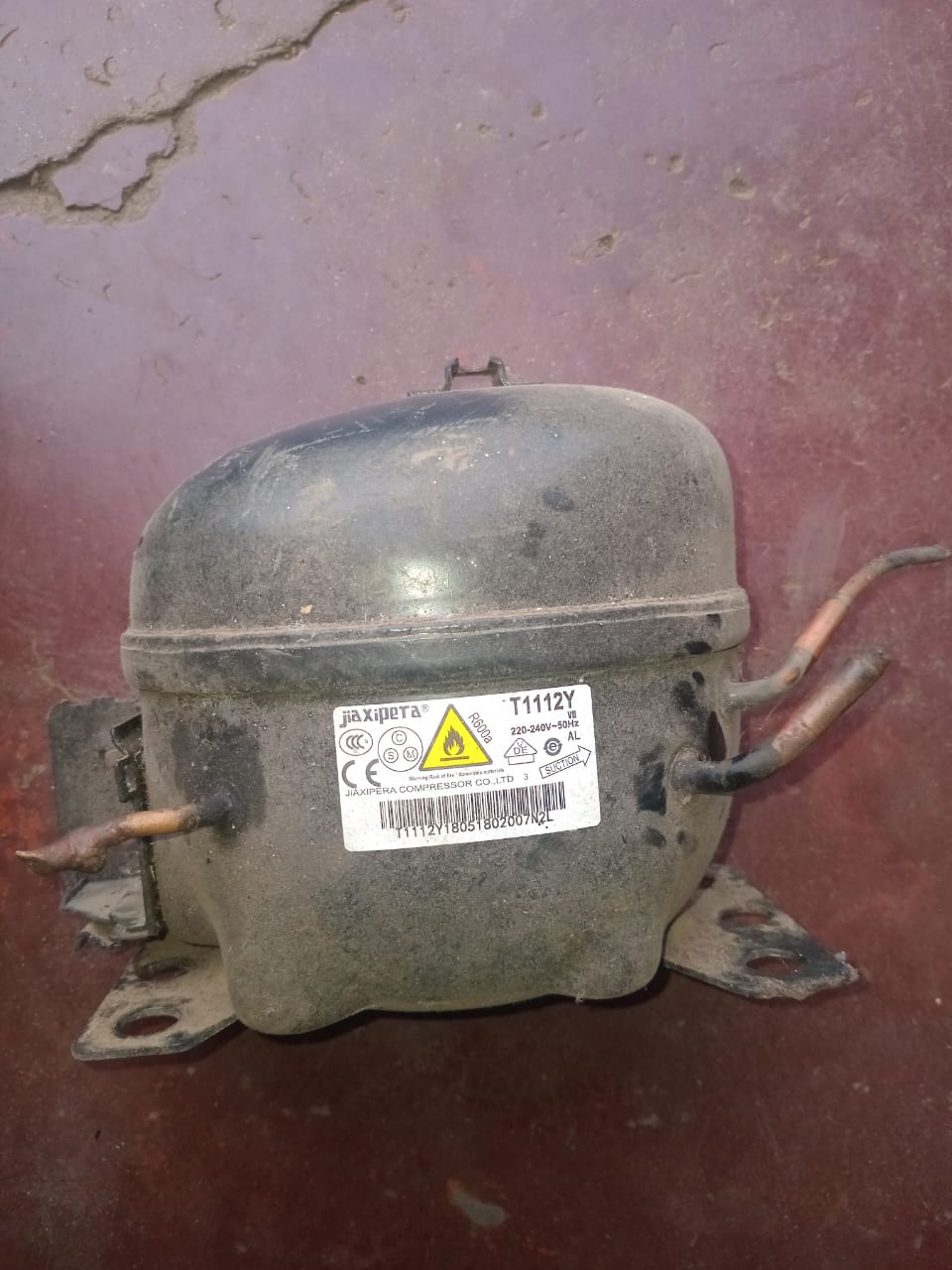
Compression: The compressor (the “pump”) pressurizes the refrigerant gas.
-
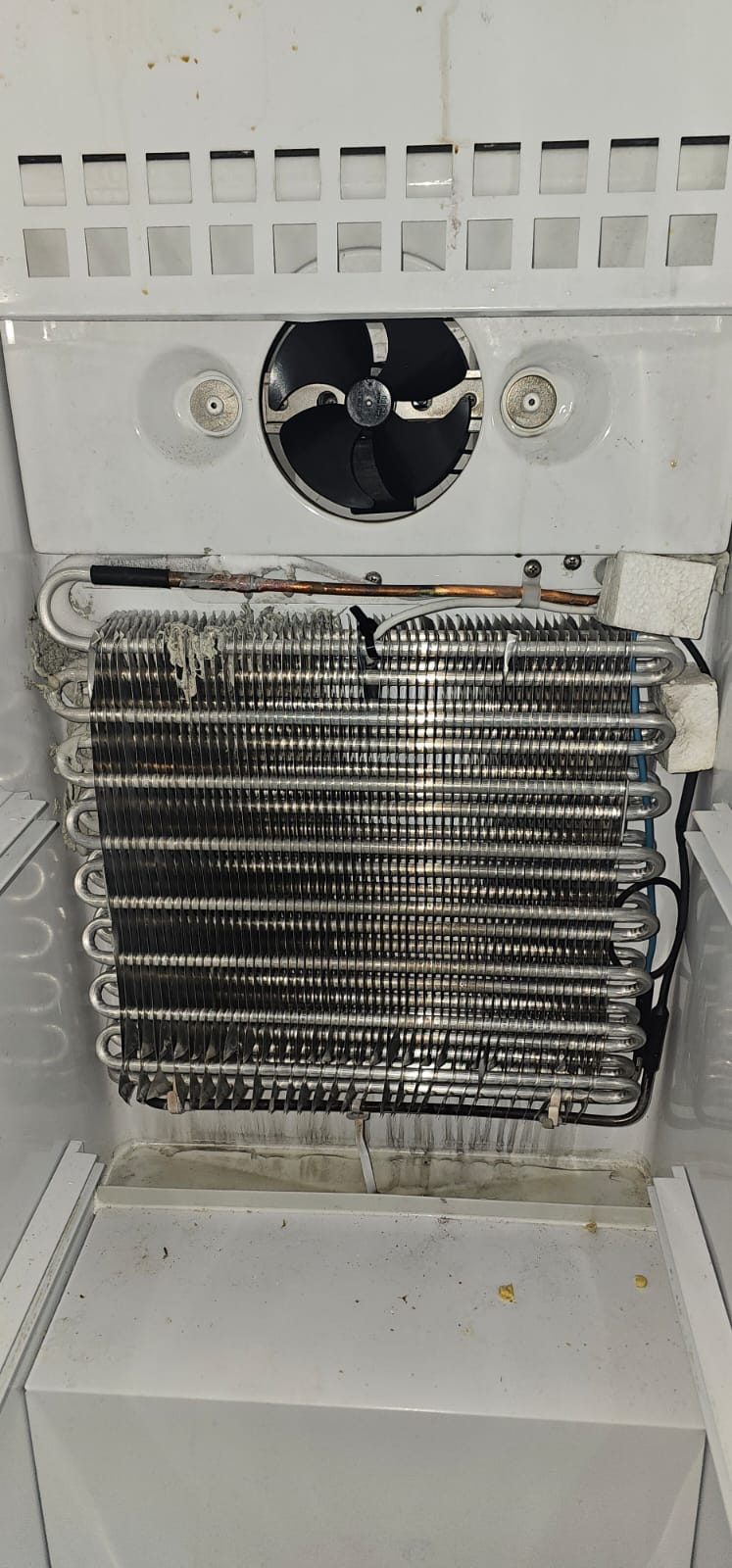
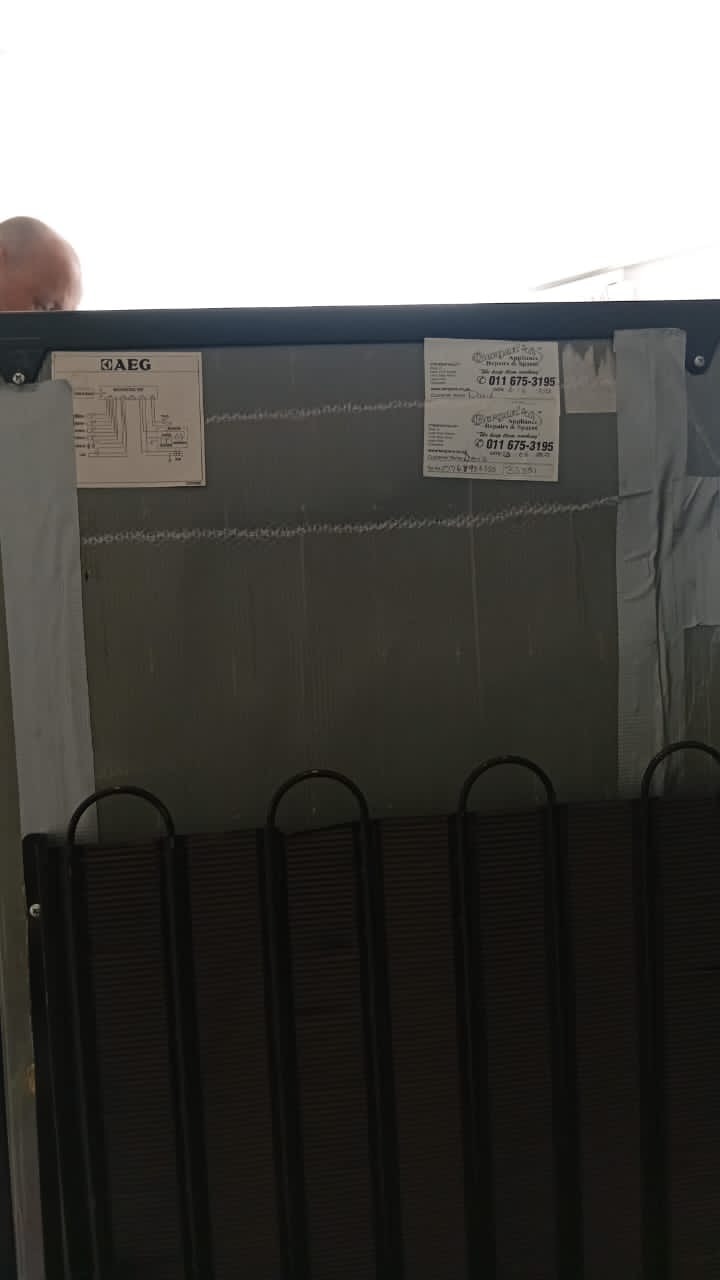
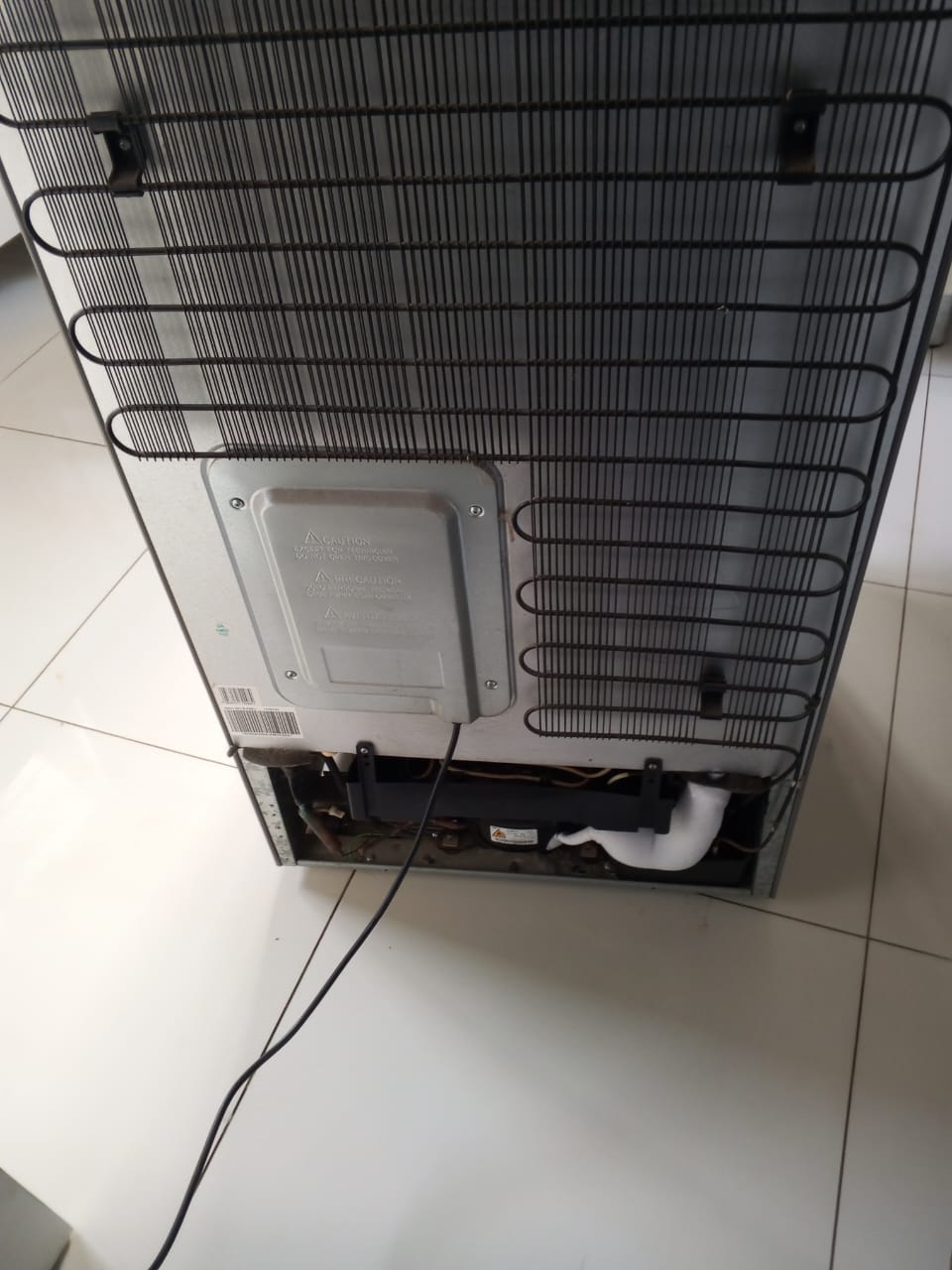
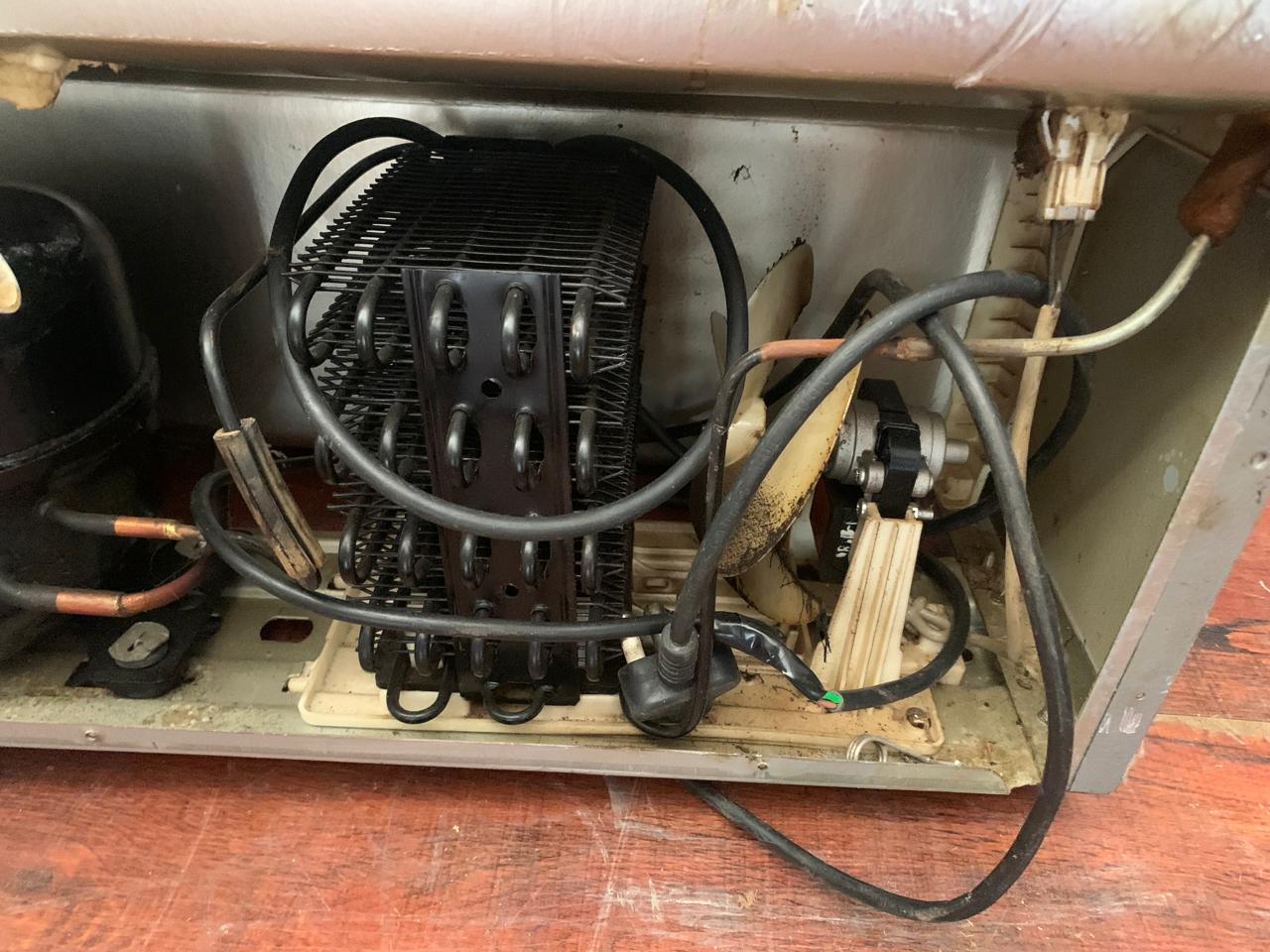
Condensation: The hot, pressurized gas flows through the condenser coils (usually on the back or bottom of the fridge), releasing heat into your kitchen.
-
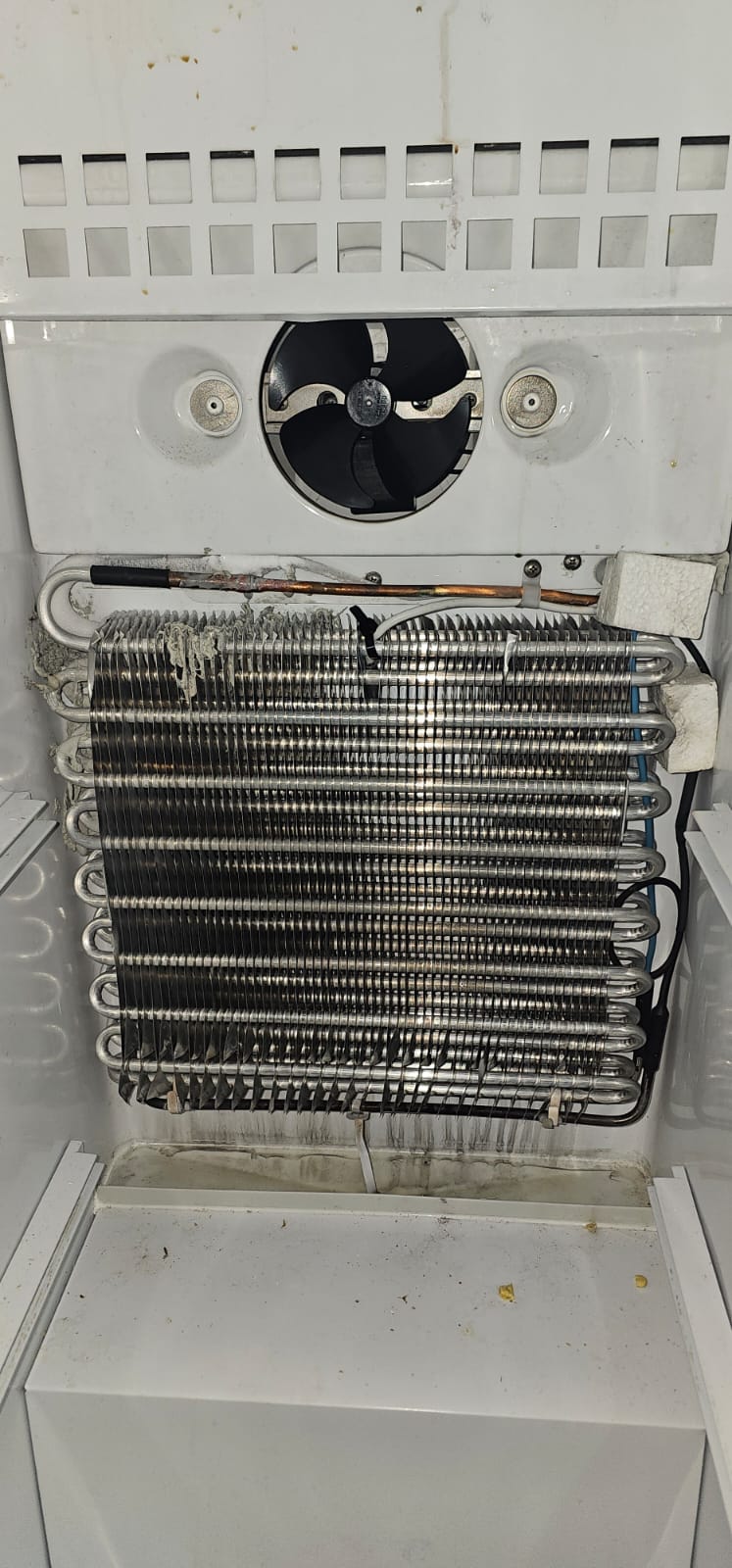
Evaporation: The refrigerant then expands into the evaporator coils inside the fridge. This expansion causes a massive drop in temperature, absorbing heat from your food (this is the ‘cold’ you feel).
-
Cycling: The low-pressure gas returns to the compressor to start the cycle again.
Crucially, this system is factory-sealed. The refrigerant should never deplete. If your fridge loses its cold, it means there is a leak—and simply topping up the gas (regassing) without repairing the hole is comparable to treating a flat tyre without patching it first. Any qualified appliance repair expert in Gauteng will confirm that the leak repair must always precede the regas.
3. 5 Definitive Signs Your Fridge Needs Regassing (Leak Detection)
If your fridge is struggling, you may have one of many issues (thermostat failure, dirty coils, fan motor failure). However, if the cause is a leak requiring fridge regassing, you will typically observe these five specific signs:
-
Warm in the Fridge, Cool in the Freezer: If the freezer feels cold, but the main fridge section is warm, it often indicates the system has insufficient refrigerant to fully cool the entire loop, pointing strongly to a partial leak.
-
Constant Running without Cooling: The compressor runs non-stop, trying desperately to reach the set temperature, but fails because the refrigerant gas is too low to facilitate proper heat transfer.
-
The “Silent Compressor” Mystery: The fridge may go completely silent (not running) because the system pressure has dropped so low that the compressor protection mechanism prevents it from starting—a sign of a total refrigerant loss.
-
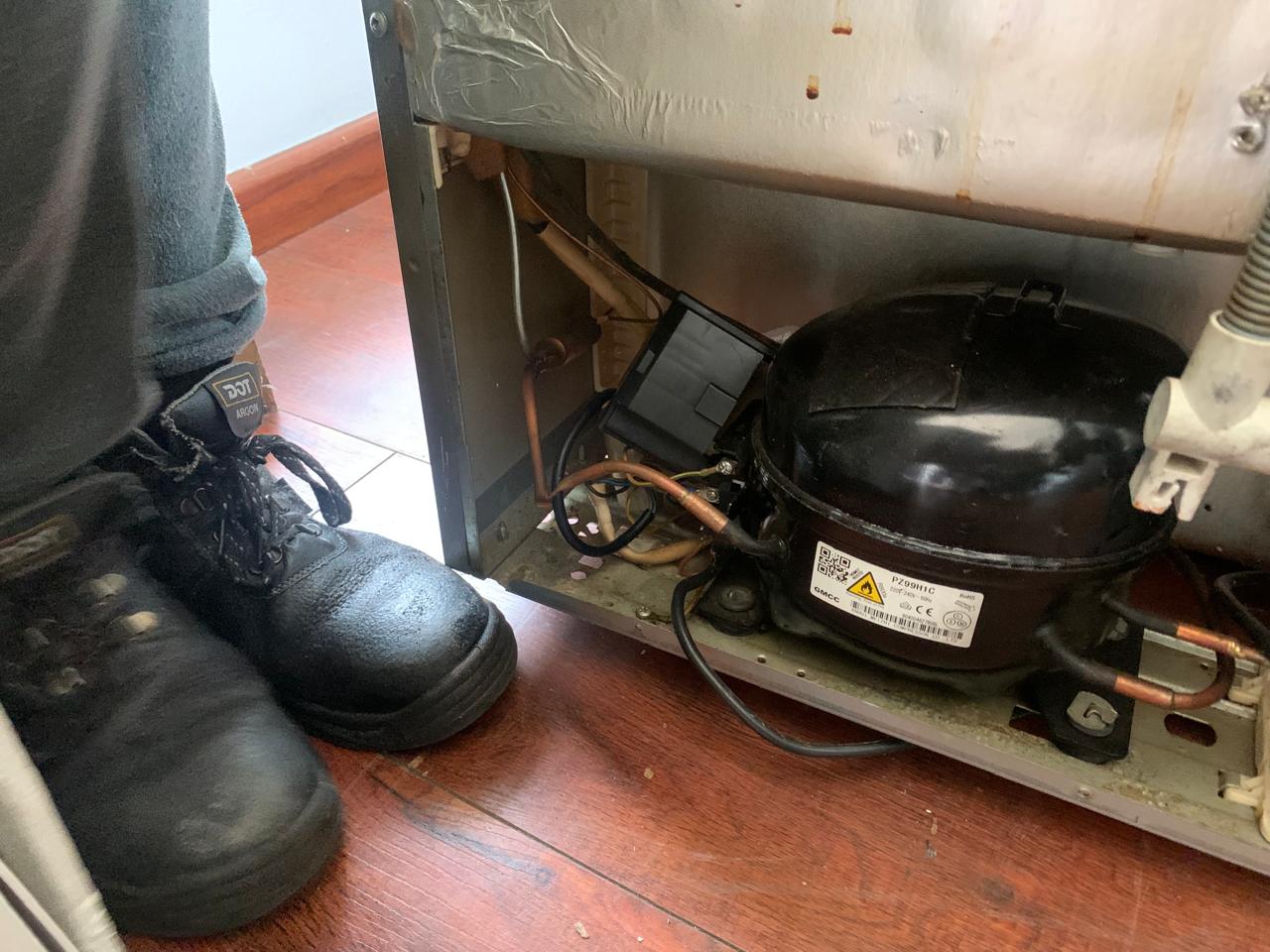
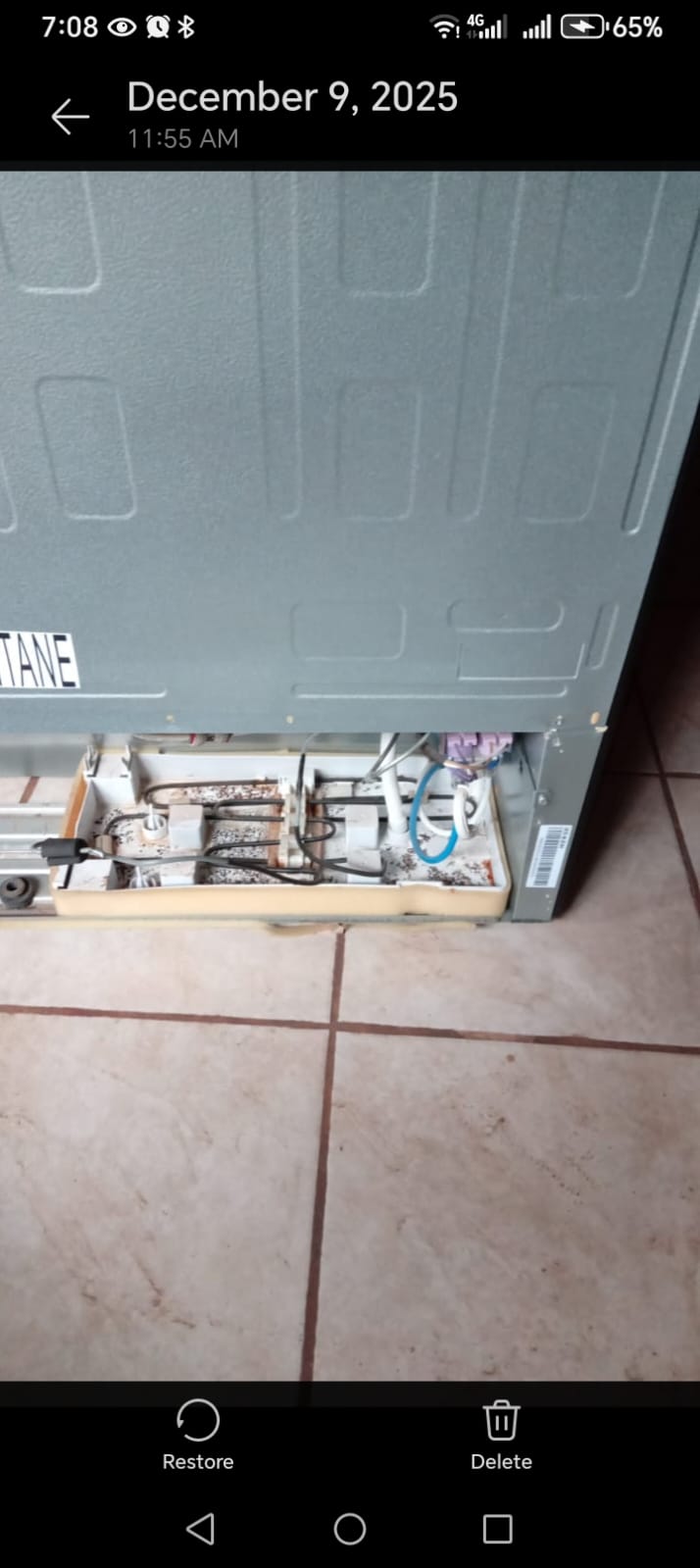
Visible Oily Residue: Refrigerant oil circulates with the gas. If you have a significant leak, you might see a small, dark, oily smudge near the compressor or near the connection points of the condenser/evaporator lines. This is a tell-tale sign of a sealed system leak.
-
Hissing or Bubbling Sounds: Although rare, a large, active leak may produce a quiet hissing sound immediately after the unit turns off, indicating gas is escaping.
If you observe any of these symptoms in your home or business in Pretoria East or Centurion, turn the unit off and call a certified technician immediately.
4. The Critical Danger of DIY Regassing in Pretoria and Johannesburg
Due to the technical complexity, environmental liability, and severe physical dangers involved, regassing your own fridge is illegal, highly dangerous, and entirely ineffective.
A. Danger 1: Flammable Refrigerant Gas (R600a)
Most modern fridges sold in South Africa (especially Hisense and newer Defy models) use R600a (Isobutane) refrigerant.
-
R600a is highly flammable. Using incorrect hoses, non-certified equipment, or working in a confined space—as many DIY enthusiasts attempt—can easily lead to a spark igniting the gas, resulting in a severe explosion or fire.
-
The risk is amplified in residential settings across Pretoria and Johannesburg where ventilation is often poor.
B. Danger 2: High Pressure and System Integrity
The refrigeration system operates under high pressure (up to $250 \text{ PSI}$). Using cheap gauges or poor connection methods can lead to a violent and dangerous rupture of the hose or the system itself. Furthermore, the system must be held under a deep vacuum to remove all moisture and non-condensable gases—a step that requires specialized, costly vacuum pumps that DIY enthusiasts rarely possess.
C. Environmental and Legal Compliance
Refrigerants are potent greenhouse gases. In South Africa, handling these gases requires specific training and certification to ensure they are captured and recycled properly, not vented into the atmosphere. Any appliance repair service you hire in Gauteng must comply with these environmental standards. A DIY attempt is almost guaranteed to violate environmental protection laws.
5. The Professional Fridge Regassing Process (What Major Appliances Repair Does)
When you call our certified appliance repair experts in Pretoria, you are paying for safety, precision, and a guaranteed long-term solution. Our process is methodical and strictly adheres to industry standards.
Step 1: Leak Detection and System Prep
The first priority is locating the leak. Our technicians use electronic leak detectors and high-pressure nitrogen gas to pinpoint the exact location of the leak within the coil (evaporator or condenser) or tubing.
Step 2: System Repair and Sealing
Once the leak is found, the damaged section of the copper or aluminum tubing is professionally repaired—often requiring specialized welding, brazing, or epoxy application.
Step 3: Deep Vacuuming (Crucial Step)
This is the step DIY enthusiasts skip. Moisture is the biggest killer of a fridge compressor. We connect a certified vacuum pump and pull the entire system down to a deep vacuum (below $500 \text{ microns}$). This process removes every trace of air and moisture, preventing acid formation that would otherwise destroy your new compressor.
Step 4: Precision Regassing
We charge the system with the exact amount of refrigerant gas by weight, as specified by the manufacturer. Over- or under-charging the system is the second-biggest cause of early failure after a regas. We use digital scales to ensure the system receives the precise amount of R134a or R600a gas.
Step 5: System Testing
We monitor system pressures and operating temperatures to ensure peak efficiency before issuing our workmanship guarantee.
6. Cost Factors & Local Service in Pretoria and Gauteng
The cost of a fridge regas service in Pretoria or Johannesburg is highly variable because it depends primarily on Step 2: The Leak Repair Cost.
| Cost Factor | Description | Impact on Final Price |
| Leak Location | Leak on the exterior (condenser) is cheaper to repair than a leak inside the foam insulation (evaporator). | High |
| Compressor Type | Digital inverter fridges (Samsung/LG) often require specialized equipment and may use R600a gas, increasing labour complexity. | Medium |
| Gas Type | R600a is more flammable and requires specialized handling, slightly increasing the labour rate compared to R134a. | Low |
For safe, guaranteed fridge regassing in Gauteng, don’t rely on uncertified handymen. Trust the company that guarantees their sealed system repair.
Major Appliances Repair provides same-day service for fridge regassing in:
-
Pretoria (Hatfield, Menlyn, Pretoria East)
-
Centurion (Highveld, Irene)
-
Johannesburg (Sandton, Midrand, Edenvale)
➡️ If your fridge is warm, silent, or showing signs of a leak, contact our certified appliance repair experts in Pretoria today for a guaranteed solution.