Hvac Services Randburg

When it comes to maintaining comfortable indoor temperatures in Randburg, whether it’s battling the scorching summer heat or fending off the winter chill, you need a reliable HVAC partner. At Major Appliances Repair, we are proud to be your go-to HVAC experts in Randburg, offering comprehensive heating, ventilation, and air conditioning solutions for homes and businesses across the area. With over 16 years of hands-on experience and a team of certified technicians, we ensure your environment is always at its optimal comfort.

Why Choose Major Appliances Repair for Your Randburg HVAC Needs?

  •  Local Specialists: We understand the unique climate challenges and architectural styles. Our local presence means faster response times and tailored solutions.
  • 16+ Years of Proven Expertise: Our extensive experience speaks for itself. We’ve tackled every HVAC challenge imaginable, from complex commercial installations to intricate residential repairs.
  • Certified & Skilled Technicians: Our team isn’t just experienced; they are fully certified and continuously trained on the latest HVAC technologies and best practices.
  • Comprehensive Service Range: From minor repairs to full system installations, we cover all your heating, cooling, and air conditioning needs.
  • Customer-Centric Approach: Your comfort and satisfaction are our top priorities. We believe in transparent pricing, clear communication, and delivering lasting results.

Our HVAC Services

We offer a full spectrum of HVAC services to ensure your property enjoys consistent, efficient climate control all year round.

Heating Solutions:

Don’t let the cooler months catch you off guard. Our heating services ensure your home or office stays warm and inviting.

  • Furnace Installation & Repair: We service and install all types of furnaces, including gas, electric, and oil. Whether it’s a new setup for a residential property or a crucial repair for a commercial space, we handle it with expertise.
  • Heat Pump Services: Heat pumps are an energy-efficient solution for both heating and cooling. We specialise in the installation, repair, and maintenance of various heat pump models, ensuring they operate efficiently year-round.
  • Underfloor Heating Systems: For luxurious warmth, we provide installation and repair services for underfloor heating, perfect for new builds or renovations.
  • Boiler Servicing & Repair: Keeping your boiler in top condition is vital for consistent heating. We offer expert servicing and prompt repairs for all boiler types.
  • Radiator Installation & Maintenance: From single radiator replacements to full system overhauls, we ensure your radiators are distributing heat effectively.
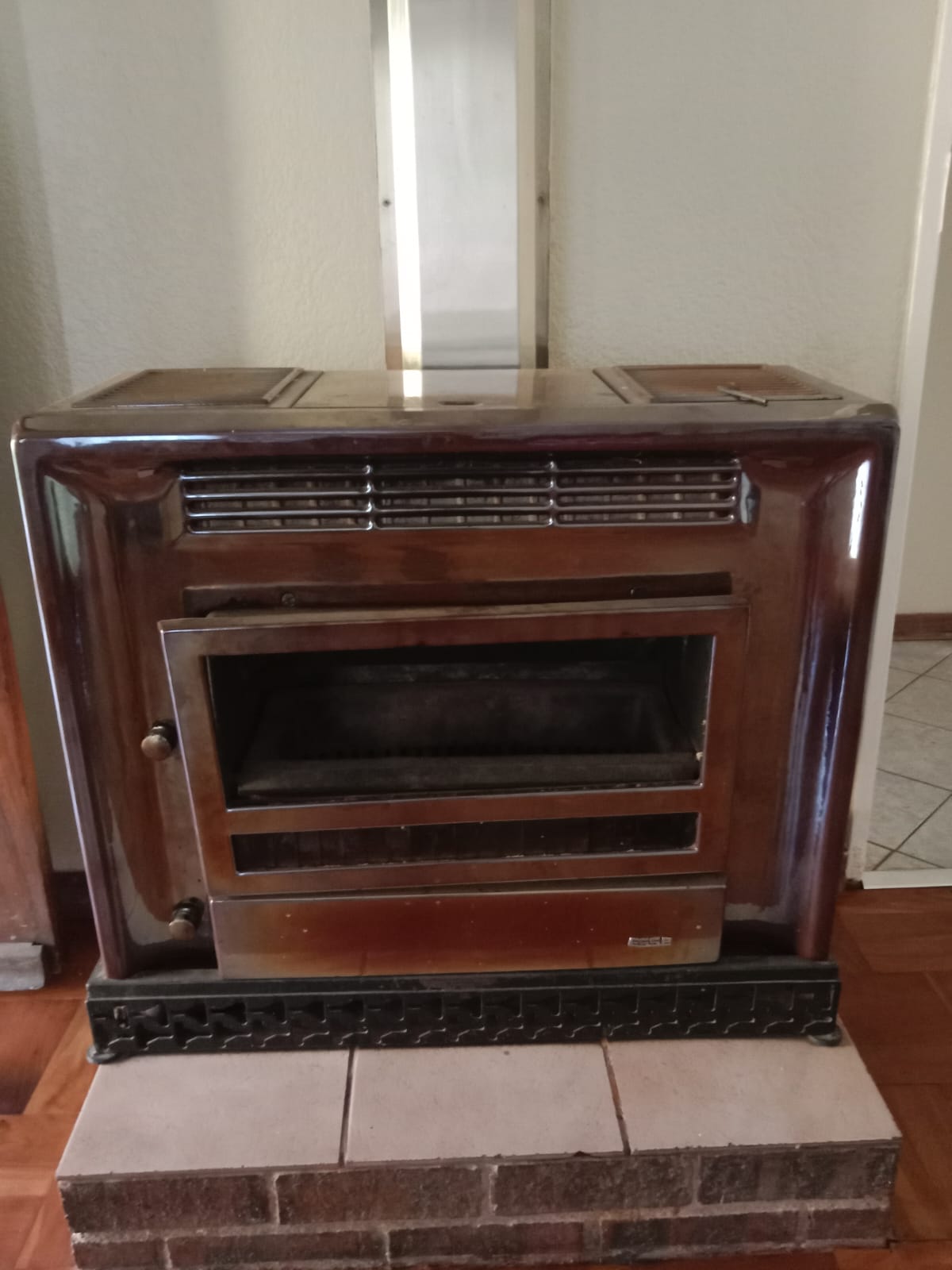
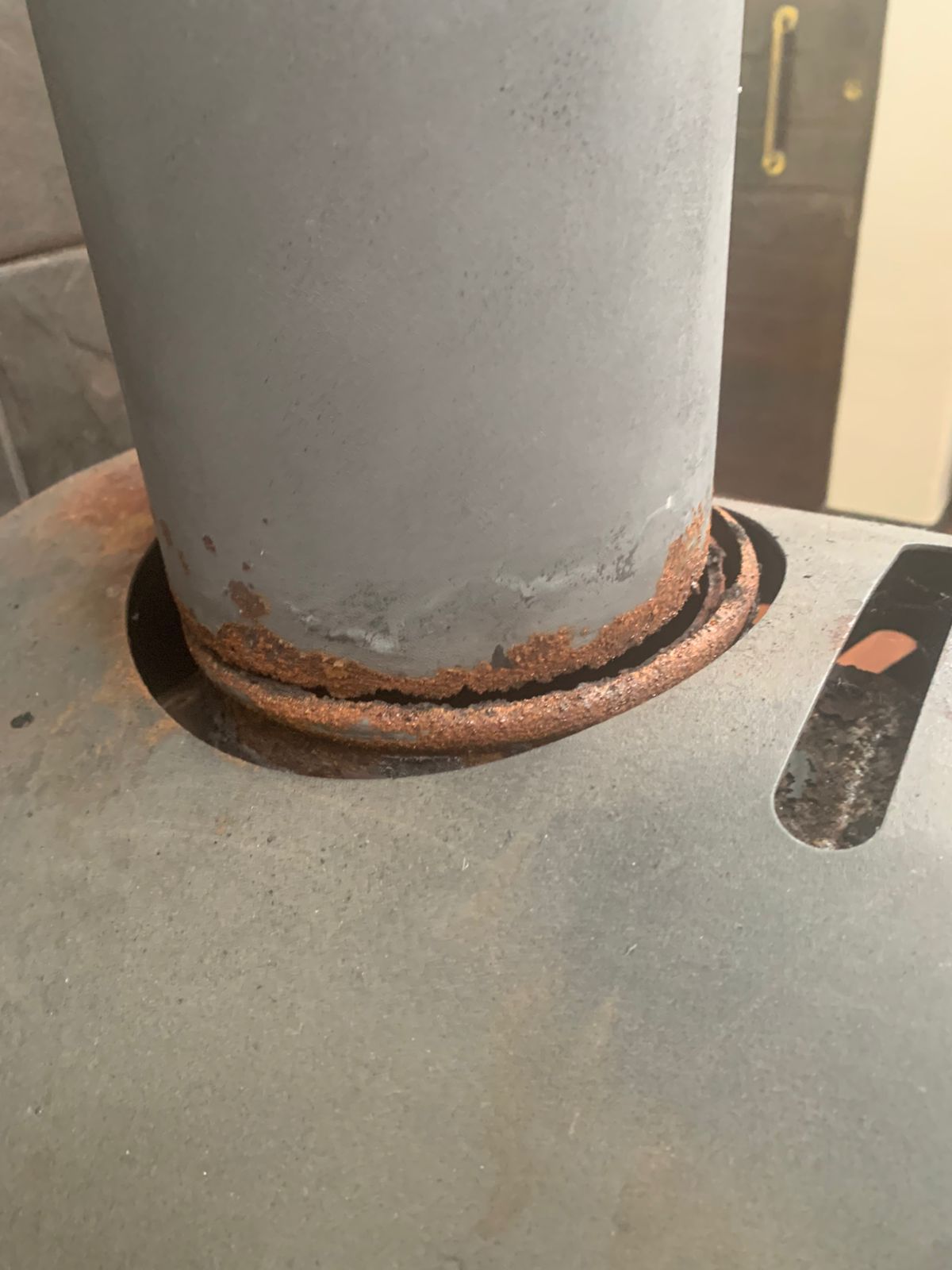
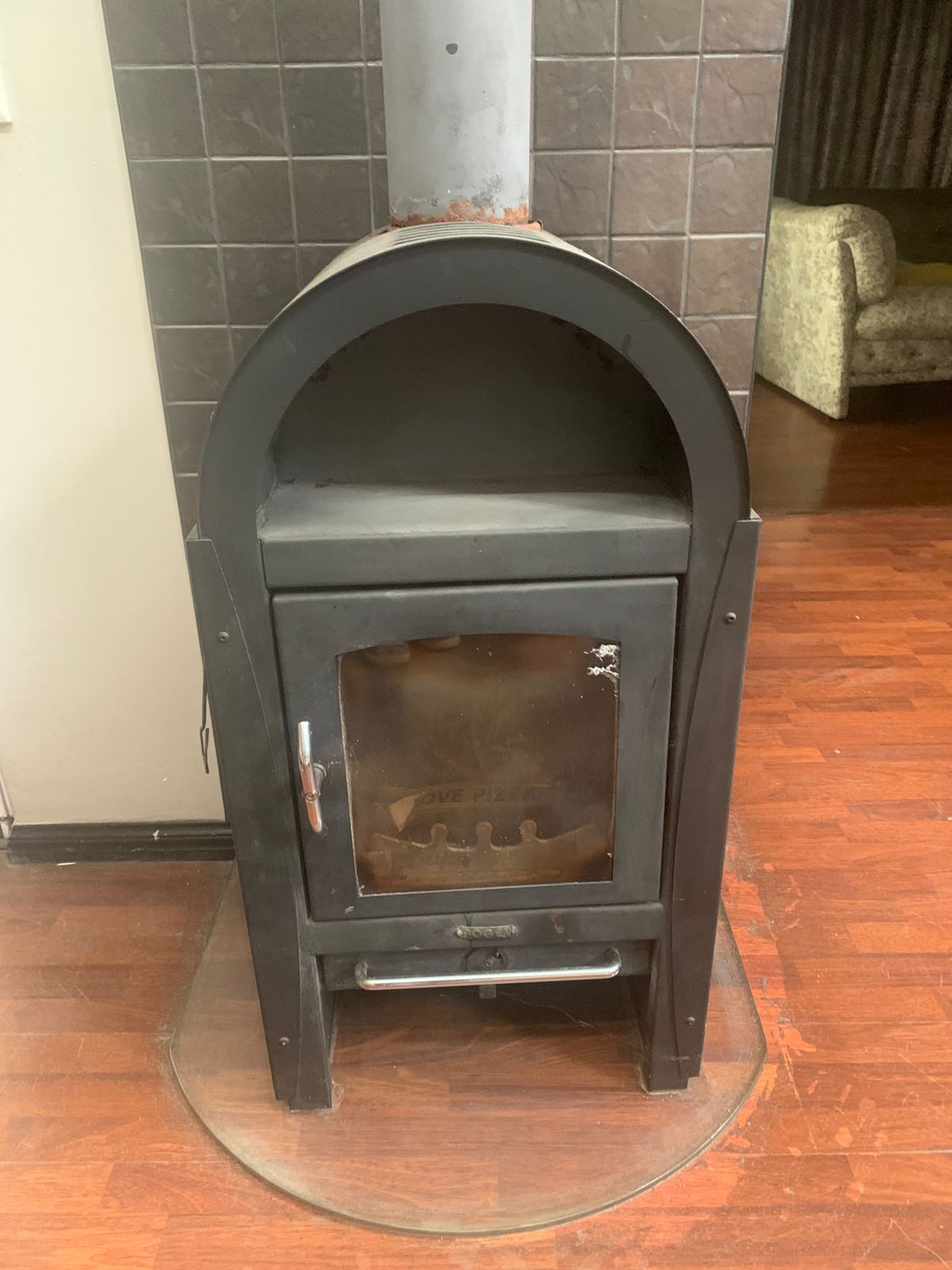
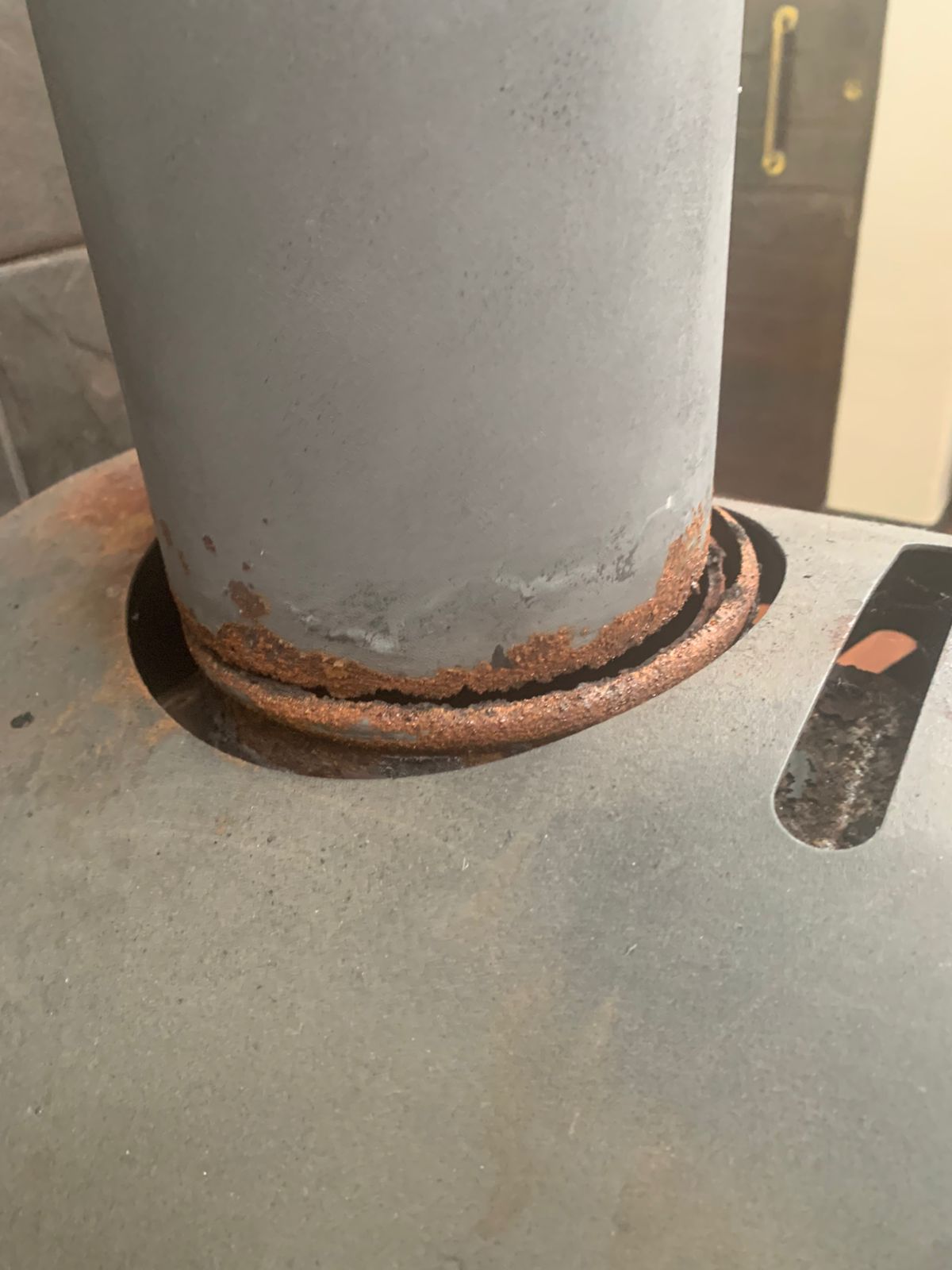
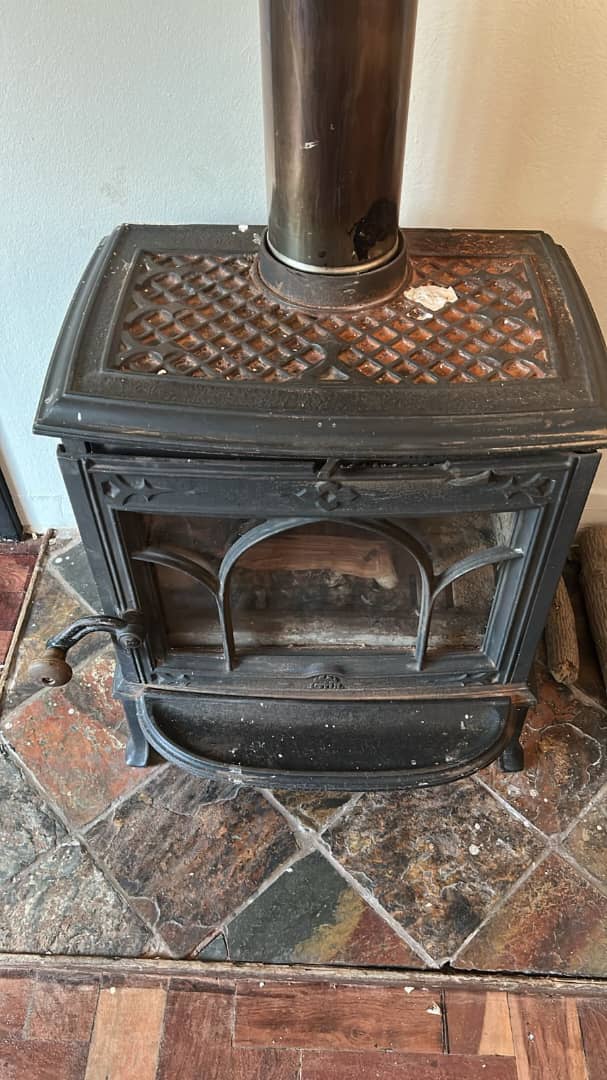
  • Fireplace Installation & Repairs: Beyond central heating, we also offer professional installation and repair for various fireplace types, adding warmth and ambiance to your home.

Cooling Solutions:

Stay cool and comfortable during warm seasons with our expert cooling services.

  • Air Conditioner Installation: We install a wide range of air conditioning units, perfectly sized and configured for your specific needs, whether it’s a single room or an entire building.
  • AC Repair & Diagnostics: Is your aircon not cooling effectively? Making strange noises? Our technicians quickly diagnose and efficiently repair all air conditioning issues, restoring your comfort promptly.
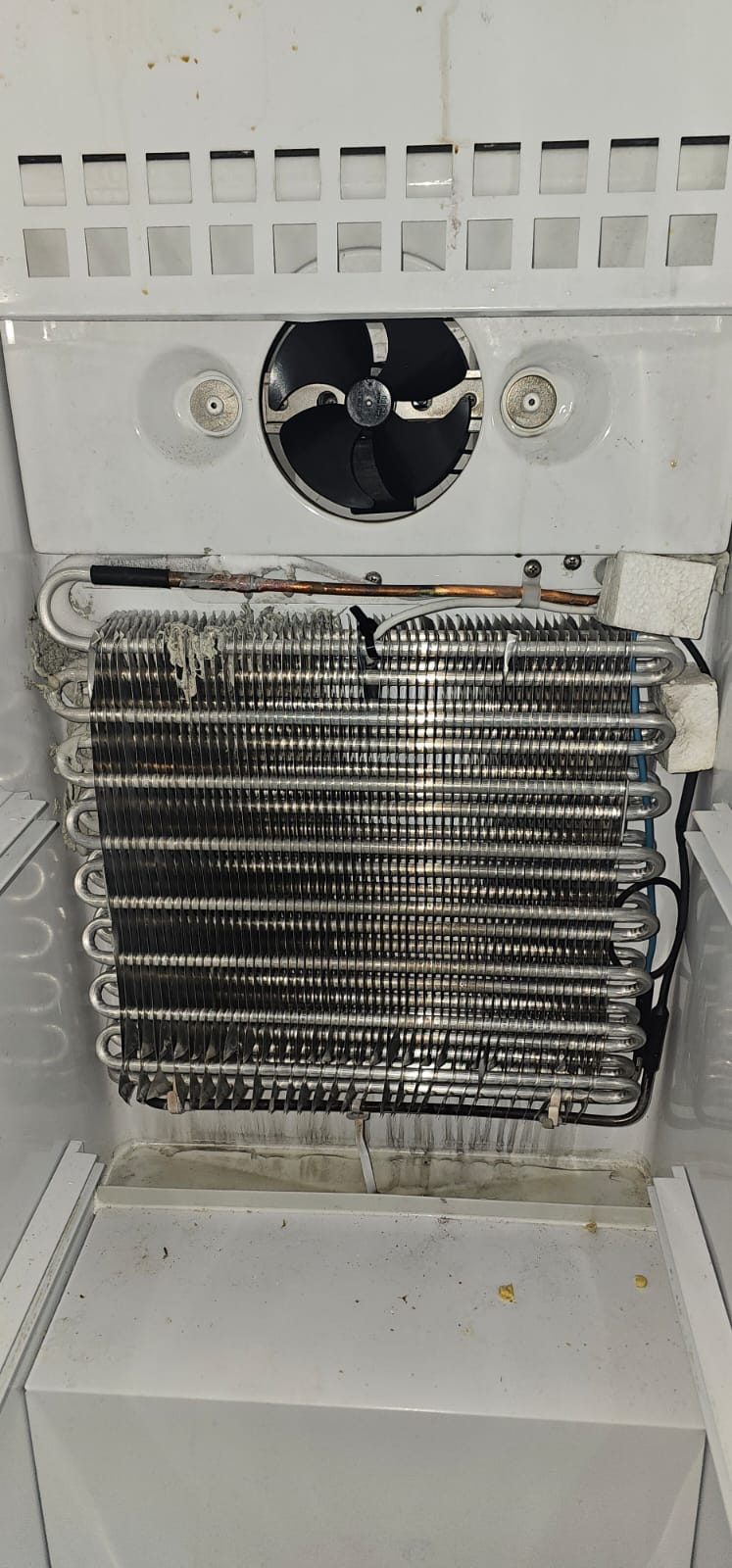
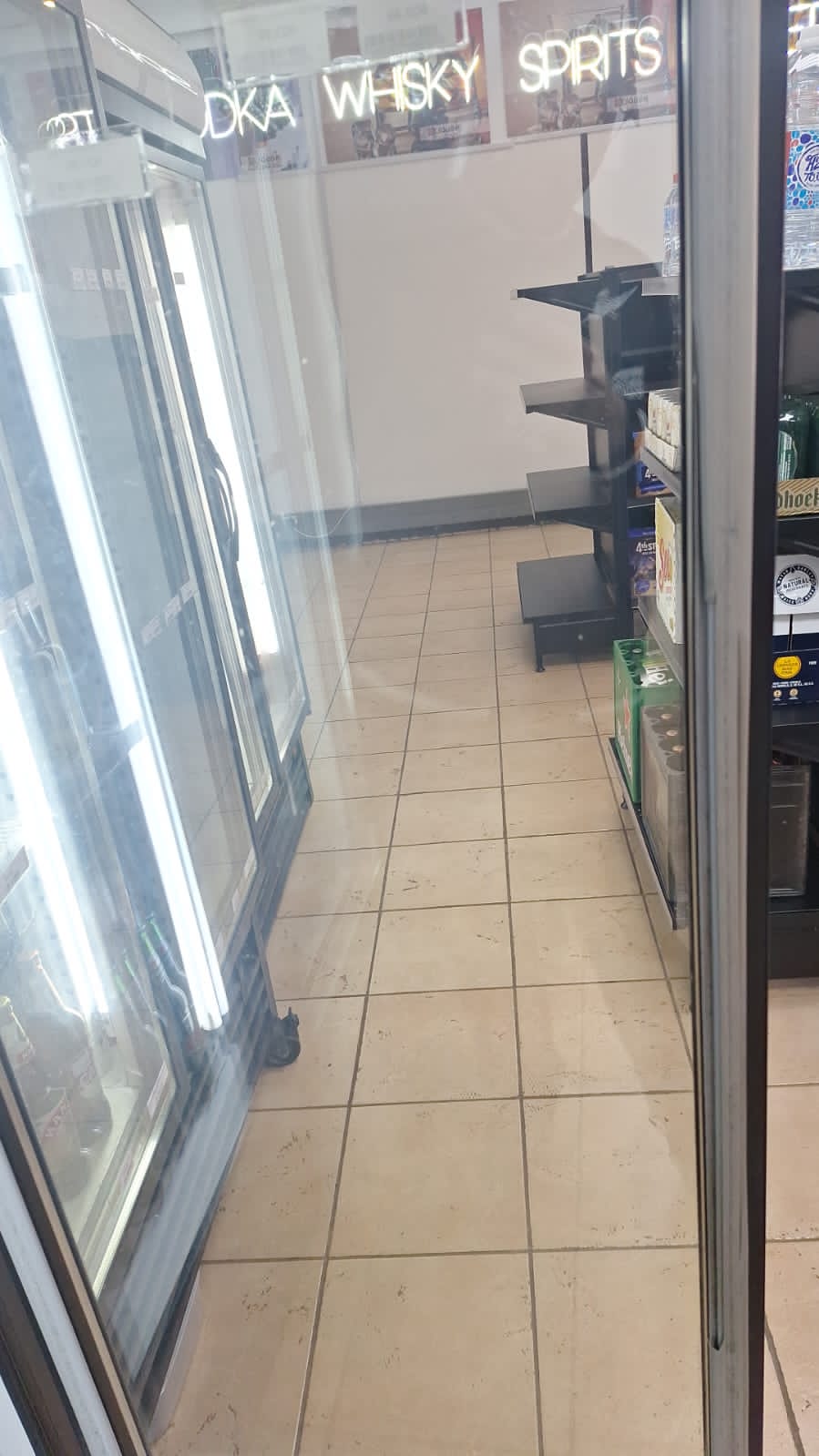
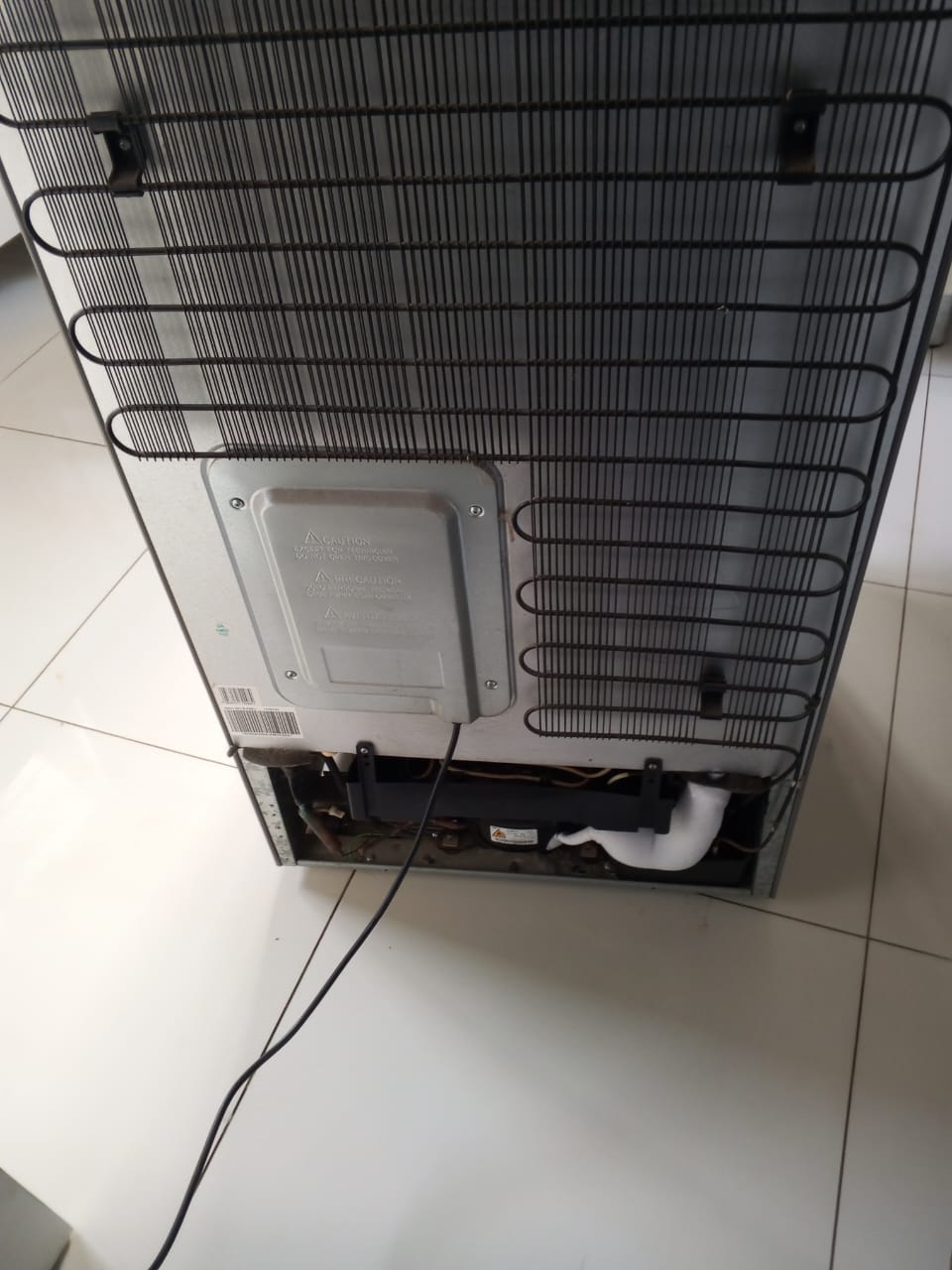
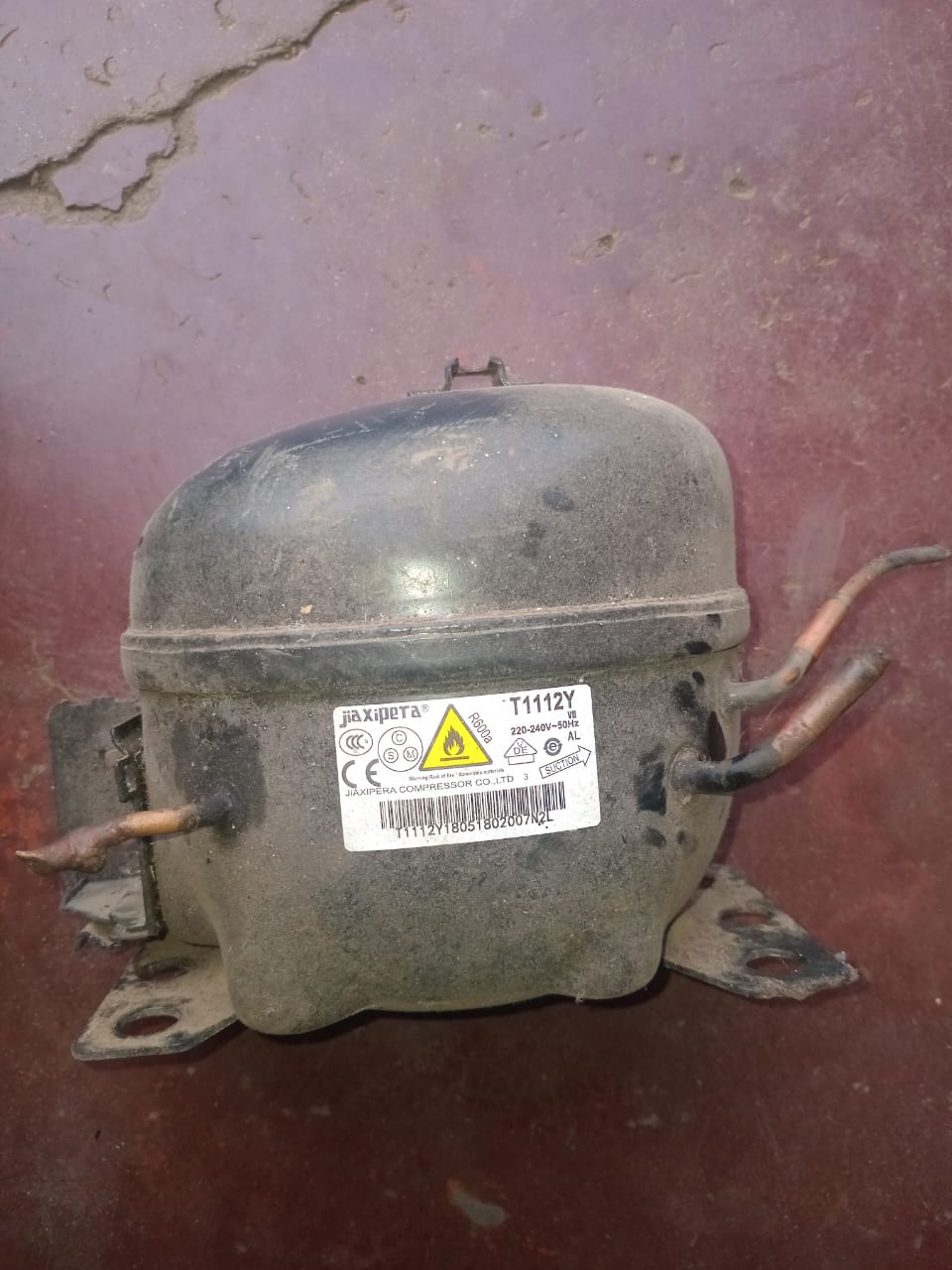
  • Refrigeration System Maintenance: For businesses that rely on consistent cooling, our refrigeration services ensure your commercial fridges, freezers, and cold rooms operate without a hitch.
  • Evaporative Cooler Services: An energy-efficient alternative for cooling, we offer installation and maintenance for evaporative cooling systems.

Air Conditioning Services:

Our dedicated air conditioning services cover every aspect of your AC system, ensuring optimal performance and air quality.

  • Split Air Conditioner Systems: Ideal for individual rooms or open-plan areas, we install and service popular mid-wall split units from leading brands.
  • Ducted Air Conditioning Randburg: For whole-home or large commercial space climate control, ducted systems offer discreet and efficient cooling (and heating). We specialise in their installation, maintenance, and repair, including duct cleaning.
  • Window Air Conditioner Units: A cost-effective solution for smaller spaces, we handle the installation and servicing of window-mounted AC units.
  • Cassette & Under-Ceiling Units: Perfect for commercial spaces or larger rooms where wall-mounted units aren’t suitable, offering powerful and even air distribution.
  • Central Air Conditioning Systems: For comprehensive, integrated climate control, we are experts in the installation and maintenance of central AC systems for both residential and commercial properties.
  • VRF (Variable Refrigerant Flow) Systems: Advanced, energy-efficient solutions for larger commercial buildings, offering precise zoning and climate control.
  • Aircon Regassing & Leak Detection: Ensuring your air conditioning unit has the correct refrigerant levels is crucial for efficiency. We perform expert regassing and pinpoint any leaks.
  • Air Quality & Filtration Solutions: Beyond temperature, we also address indoor air quality by installing and maintaining advanced filtration systems to reduce allergens and pollutants.

Types, Models, Setups, and Brands We Work With

Our expertise spans a vast array of HVAC types, models, and setups, ensuring we can meet diverse requirements. We work with leading international and local brands renowned for their reliability and performance.

Common HVAC Setups & Types We Service:

  • Split Systems: Most common for residential, with an outdoor condenser and indoor air handler.
  • Centralised Systems: Utilising ductwork for whole-building climate control.
  • Ductless Mini-Splits: Offering zoned heating and cooling without extensive ductwork.
  • Packaged Units: All components housed in a single outdoor unit, often found on commercial rooftops.
  • Hybrid Systems: Combining heat pumps with furnaces for optimised energy efficiency.
  • Geothermal Systems: Harnessing stable underground temperatures for highly efficient heating and cooling.

Popular HVAC Brands We Install, Repair & Maintain (and many more!):

  • Samsung
  • LG
  • Alliance Air
  • Daikin
  • Carrier
  • Trane
  • Lennox
  • Goodman
  • York
  • Defy
  • Bosch
  • Jet-Air
  • Rheem

No matter the age, model, or brand of your HVAC system, our certified Randburg technicians have the knowledge and tools to provide a professional, lasting solution.


Book a Service Now

Inquiry form

 HVAC Issues We Expertly Repair in Randburg

Common Heating System Issues We Fix:

  1. Furnace Not Heating: This is the primary concern for any homeowner during colder months. If your furnace isn’t heating, we quickly diagnose issues like thermostat malfunctions, tripped breakers, or gas supply problems to restore warmth.
  2. Noisy Furnace/Heat Pump: Hearing your furnace or heat pump making strange noises? Squealing, grinding, or banging sounds often indicate worn belts, failing motors, or loose components that require immediate attention.
  3. Blower Runs Constantly: When the furnace blower constantly runs, it wastes energy and indicates a faulty thermostat or relay, which our team can swiftly repair.
  4. Pilot Light Issues (Gas Furnaces): If your gas furnace pilot light keeps going out, preventing heating, our technicians can resolve issues with thermocouples or gas valves.
  5. Furnace Cycling On and Off Too Frequently (Short Cycling): A furnace short cycling might be due to overheating, a faulty thermostat, or restricted airflow from a clogged filter.
  6. No Heat from Heat Pump: When your heat pump isn’t producing warm air, it could be due to refrigerant leaks, compressor failure, or electrical issues that our experts can pinpoint.
  7. Cold Spots/Uneven Heating: If you have uneven heating in your house, it often points to ductwork issues, airflow imbalances, or improper thermostat placement that we can address.
  8. Thermostat Malfunctions (Heating): Problems like inaccurate readings or unresponsive controls mean your thermostat isn’t communicating with the heating system. We repair or replace faulty thermostats.
  9. Clogged Furnace Filters: A severely clogged furnace filter restricts airflow, strains the system, and can lead to overheating or component damage. We recommend and perform regular filter replacements.
  10. Cracked Heat Exchanger: A critical safety concern, a cracked heat exchanger in gas furnaces can lead to carbon monoxide leaks. Our professional inspections can detect this dangerous issue, ensuring your safety.

Common Cooling/Air Conditioning Issues We Fix:

  1. AC Not Cooling: The most common complaint. If your AC isn’t cooling, it could be a refrigerant leak, compressor failure, or a dirty condenser coil affecting performance.
  2. AC Blowing Warm Air: When your air conditioner blows warm air, it usually indicates a refrigerant problem or a faulty outdoor unit component requiring expert diagnosis.
  3. AC Leaking Water: An AC unit leaking water inside typically means a clogged condensate drain line, which we can clear quickly to prevent water damage.
  4. Noisy AC Unit: Hissing, gurgling, or grinding sounds from your outdoor unit could be due to refrigerant issues, motor problems, or loose parts.
  5. AC Cycling On and Off Too Frequently (Short Cycling): An AC short cycling can be caused by an oversized unit, low refrigerant, or electrical faults, leading to inefficiency.
  6. Frozen Evaporator Coil: When you see ice build-up on the indoor coil, it’s usually due to restricted airflow (dirty filter) or low refrigerant, impacting cooling efficiency.
  7. Thermostat Malfunctions (Cooling): If your AC thermostat isn’t working, it can prevent your unit from activating or maintaining the set temperature. We repair or replace faulty units.
  8. Refrigerant Leaks: Low refrigerant levels mean your AC needs a leak detection and repair. Leaks reduce cooling capacity and can damage the compressor. We offer expert leak detection and aircon regassing.
  9. Clogged AC Drain Line: A common cause of water leaks, a clogged AC drain pipe can cause water to back up and overflow.
  10. Outdoor Unit Not Running: When the AC outdoor unit isn’t turning on, it could be an electrical issue, a tripped breaker, or a faulty fan motor in need of repair.

General HVAC & Air Quality Issues We Resolve:

  1. No Power to HVAC System: If your entire HVAC system is dead, we check for tripped breakers, blown fuses, or wiring issues to restore operation.
  2. Weak Airflow: Air barely coming out of the vents indicates a restricted system, often due to a clogged filter, blocked ducts, or a failing blower motor.
  3. Bad Odours from Vents: Musty, burning, or stale smells from your HVAC vents can signal mold, electrical problems, or dirty coils needing cleaning.
  4. Excessive Dust: If you notice excessive dust in your house despite regular cleaning, it might be due to leaky ductwork or poor filtration, which we can inspect.
  5. High Energy Bills: An unexpected increase in your electricity bill often means your HVAC system is running inefficiently due to aging parts or lack of proper maintenance.
  6. Uneven Temperatures (General): Experiencing hot and cold spots throughout your property indicates imbalanced airflow, duct leaks, or insulation problems requiring professional assessment.
  7. Thermostat Communication Issues: When your smart thermostat isn’t connecting to your HVAC system, it can be a wiring problem or a system malfunction preventing proper control.
  8. Humidity Problems (Too High or Too Low): Your HVAC system plays a role in managing indoor humidity. We can address issues causing high humidity or excessively dry air.
  9. Dirty Air Ducts: Accumulation of dust, allergens, and debris in your air ducts can reduce air quality and system efficiency. We offer professional duct cleaning services.
  10. Loud Operation (General): Any unusual or excessively loud noise from your indoor or outdoor unit that wasn’t present before needs prompt investigation to prevent further damage.


Regular HVAC (Heating, Ventilation, and Air Conditioning) care is crucial for maintaining a comfortable home, extending the lifespan of your system, and keeping energy bills in check. While some tasks require a professional, many simple maintenance tips can be done by homeowners.

Here are  tips for effective HVAC care:

Routine Homeowner Maintenance (DIY):

  1. Change Air Filters Regularly: This is the most crucial DIY task. Dirty filters restrict airflow, reduce efficiency, and can cause your system to work harder. Check them monthly and replace them every 1-3 months (more often if you have pets, allergies, or live in a dusty environment).
  2. Clear Debris from Outdoor Unit: Keep the area around your outdoor condenser unit clear of leaves, grass clippings, dirt, and other debris. Maintain at least a 2-foot (approx. 60cm) clearance for optimal airflow.
  3. Clean Around the Unit: Beyond debris, regularly clean the outdoor unit’s fins with a gentle spray from a garden hose to remove accumulated dirt and grime. Do NOT use a high-pressure washer, as it can damage the delicate fins.
  4. Keep Vents and Registers Clear: Ensure all supply and return vents inside your home are unobstructed by furniture, rugs, or drapes. Blocked vents lead to uneven heating/cooling and reduced efficiency.
  5. Check Thermostat Settings: Double-check your thermostat settings regularly. Ensure it’s set to “Auto” for the fan rather than “On” to prevent the fan from running constantly, and adjust temperatures efficiently based on whether you’re home or away.
  6. Clean Indoor Unit Coils (Basic): For accessible indoor units (like some split units), you can gently wipe down visible coils with a soft brush to remove dust. For evaporator coils within the furnace, this is best left to professionals.
  7. Clear Condensate Drain Line: The condensate line removes moisture. If it clogs (often with algae), water can back up. You can often clear it by carefully pouring a cup of distilled vinegar mixed with water into the drain line access point.
  8. Inspect Ductwork (Visible Sections): Periodically check accessible ductwork in attics, basements, or crawl spaces for obvious leaks, tears, or disconnected sections. Use HVAC-grade foil tape (not duct tape) to seal minor leaks if comfortable doing so.
  9. Listen for Unusual Noises: Pay attention to any new or strange sounds from your HVAC system – grinding, squealing, clanging, or rattling. These can be early indicators of a problem.
  10. Monitor Energy Bills: A sudden or steady increase in your electricity or gas bill, without a change in usage habits, could signal your HVAC system is losing efficiency and requires attention.

Professional Maintenance (Recommended Annually/Bi-annually):

  1. Schedule Annual/Bi-Annual Tune-Ups: This is the most important tip! Have a professional HVAC technician inspect and tune up your system at least once a year (ideally twice: one for heating in autumn and one for cooling in spring).
  2. Professional Coil Cleaning: Technicians can thoroughly clean both evaporator and condenser coils, which are vital for heat transfer but can become heavily soiled, significantly impacting efficiency.
  3. Check Refrigerant Levels: Only a certified technician can safely check and adjust refrigerant levels. Low refrigerant often indicates a leak, which they can detect and repair.
  4. Inspect Electrical Connections: Professionals will inspect and tighten all electrical connections, which can become loose over time and pose safety hazards or cause system malfunctions.
  5. Lubricate Moving Parts: Motors and bearings in your HVAC system require lubrication to prevent wear and tear. A technician will ensure these parts are properly lubricated.
  6. Calibrate Thermostat: A professional can check if your thermostat is accurately reading temperatures and communicating correctly with your system, calibrating it if necessary.
  7. Inspect and Clean Blower Components: The blower motor and fan blades can accumulate dust and debris, reducing airflow. A technician will clean these for optimal air circulation.
  8. Check for Gas Leaks: For gas furnaces, technicians will inspect gas connections and heat exchangers for leaks, a critical safety check for carbon monoxide.
  9. Test System Controls and Safety Switches: Professionals ensure all system controls, including the start cycle, shutdown, and safety switches, are functioning correctly.
  10. Ductwork Inspection and Sealing (Comprehensive): A professional can perform a thorough inspection of your entire duct system, identify hidden leaks, and seal them properly to prevent energy loss and improve airflow balance.

By combining regular DIY care with professional annual maintenance, you can ensure your HVAC system runs efficiently, prolong its lifespan, and maintain a comfortable and healthy indoor environment.

Common HVAC Questions & Detailed Answers

At Major Appliances Repair, we believe in empowering our customers with knowledge. As your trusted HVAC experts in Gauteng, with over 16 years of experience, we’re here to answer your most common questions about heating, ventilation, and air conditioning systems.

General HVAC Understanding & Operation:

  1. What does HVAC stand for and how does it work in my home?

    HVAC stands for Heating, Ventilation, and Air Conditioning. It’s a system designed to regulate the temperature, humidity, and air1 purity within your home or commercial space. It works by taking in air, conditioning it (heating or cooling), filtering it, and then distributing it through ductwork and vents.

  2. How often should my HVAC system run per day?

    There’s no single answer, as it depends on external temperatures, your preferred indoor temperature, insulation quality, and system efficiency. In extreme weather, it might run almost constantly. A healthy system typically cycles on and off, completing 2-3 cycles per hour in moderate weather. If it’s HVAC system running constantly or short cycling too frequently, it could indicate a problem.

  3. What are the signs I need HVAC repair in Gauteng?

    Common signs include: the system blowing warm air (when set to cool) or cold air (when set to heat), unusual noises (grinding, hissing, banging), strange odours, inconsistent temperatures across rooms, unusually high energy bills, or water leaks around the indoor unit.

  4. How long do residential HVAC systems typically last?

    With proper HVAC maintenance tune-ups, a furnace typically lasts 15-20 years, while air conditioning units and heat pumps generally last 10-15 years. Regular servicing by certified appliance technicians can significantly extend their lifespan.

  5. What’s the difference between a furnace and a heat pump?

    A furnace generates heat by burning fuel (gas or oil) or using electricity to warm air. A heat pump, on the other hand, moves heat. In winter, it extracts heat from the outside air and moves it indoors; in summer, it reverses to move heat from indoors to outdoors, acting as an air conditioner. Heat pumps are generally more energy-efficient.

  6. Should I choose a split system or a central air conditioning unit?

    A split system air conditioner (like a mid-wall unit) is ideal for cooling individual rooms or smaller open-plan areas. A central air conditioning unit uses ductwork to cool an entire home or building, offering more consistent temperature control throughout. The best choice depends on your property size, budget, and cooling needs.

  7. What is a VRF system and is it suitable for commercial buildings?

    A VRF (Variable Refrigerant Flow) system is an advanced HVAC technology highly suitable for commercial buildings. It allows for multiple indoor units to connect to a single outdoor unit, providing individualized temperature control for different zones or rooms. They are known for their energy efficiency and flexibility, making VRF system repair and installation a common service for businesses.

  8. How does a geothermal HVAC system operate in South Africa?

    A geothermal HVAC system harnesses the stable temperature of the earth to provide heating and cooling. It circulates a fluid through underground pipes, transferring heat to or from the ground depending on the season. While the initial geothermal HVAC installation cost can be higher, they offer significant long-term energy savings and environmental benefits.

  9. What are the benefits of zoned HVAC systems for larger homes?

    Zoned HVAC systems allow you to control the temperature in different areas or “zones” of your home independently. This means you don’t have to heat or cool unused rooms, leading to increased comfort and significant energy savings, especially for large homes with uneven heating.

  10. Can I install a smart thermostat with my existing HVAC system?

    In most cases, yes! Installing a smart thermostat is a popular upgrade. They offer features like remote control, scheduling, and energy usage tracking. Our technicians can assess your existing HVAC system and advise on smart thermostat compatibility and installation.

Common Heating Problems & Solutions:

  1. Why is my furnace not heating the house properly?

    Common reasons for your furnace not heating include a malfunctioning thermostat, a tripped circuit breaker, a clogged air filter, issues with the gas supply (if applicable), or a problem with the ignition system.

  2. My gas furnace pilot light keeps going out, what’s the issue?

    A gas furnace pilot light keeps going out often points to a faulty thermocouple, which senses the pilot light’s flame. Other causes can include a weak pilot flame, a dirty pilot orifice, or a faulty gas valve.

  3. Why is my heat pump blowing cold air in winter?

    If your heat pump blowing cold air in winter, it could be stuck in defrost mode, have low refrigerant levels, a malfunctioning reversing valve, or issues with its supplemental heating elements.

  4. What causes a furnace to short cycle and turn off too quickly?

    Furnace short cycling can be due to an oversized unit, a clogged air filter restricting airflow, a faulty thermostat, an overheating limit switch, or a dirty flame sensor.

  5. How do I fix uneven heating in different rooms of my house?

    Uneven heating in house can be caused by leaky ductwork, blocked vents, an unbalanced airflow system, or inadequate insulation. Professional HVAC technicians can perform an airflow balance to address this.

  6. My furnace is making strange noises, like grinding or banging, what does that mean?

    Furnace making strange noises like grinding often indicates worn motor bearings, squealing could be a loose belt, while banging might suggest issues with the heat exchanger expanding and contracting. These noises signal a need for immediate furnace repair.

  7. What are the dangers of a cracked heat exchanger in my furnace?

    A cracked heat exchanger in furnace is extremely dangerous as it can leak carbon monoxide, an odourless and colourless gas, into your home. This requires immediate replacement by a qualified professional.

  8. How can I troubleshoot my boiler if it’s not providing hot water?

    If your boiler not providing hot water, check the thermostat settings, ensure the pilot light (if applicable) is lit, and check for error codes. If these basic checks don’t work, it’s best to call a professional for boiler repair.

  9. Why isn’t my underfloor heating system getting warm enough?

    Underfloor heating system not getting warm enough can be due to issues with the thermostat, zone valves, circulation pump, or air trapped in the system. Our technicians can diagnose and repair these complex systems.

  10. My radiators are cold, even when the heating is on, what’s wrong?

    If your radiators are cold when heating is on, it could be due to air trapped in the system (requiring bleeding), a faulty thermostat, zone valve issues, or a problem with the boiler’s circulation pump.

Common Cooling/Air Conditioning Problems & Solutions:

  1. Why is my air conditioner blowing warm air and not cooling?

    When your AC blowing warm air and not cooling, it often indicates low refrigerant levels (due to a leak), a faulty compressor, a dirty condenser coil, or a malfunctioning fan motor in the outdoor unit.

  2. My AC unit is leaking water inside the house, what should I do?

    An AC unit leaking water inside is typically caused by a clogged condensate drain line, which prevents condensation from draining away. This can lead to water damage and needs to be cleared.

  3. What causes an AC evaporator coil to freeze up?

    An AC evaporator coil freezing up is usually due to poor airflow (often from a dirty air filter), low refrigerant levels, or a malfunctioning blower fan.

  4. Why is my outdoor AC unit not turning on at all?

    If your outdoor AC unit not turning on, check for a tripped circuit breaker, a faulty capacitor, or issues with the contactor. These are common electrical problems that our technicians can diagnose.

  5. How do I know if my AC needs Freon or refrigerant regassing?

    Signs your AC needs Freon or refrigerant regassing include reduced cooling capacity, the unit blowing warm air, hissing sounds (indicating a leak), or the indoor coil freezing. A professional is needed to detect leaks and properly regas.

  6. My air conditioner is making a loud hissing sound, is it a leak?

    A loud hissing sound from AC unit often indicates a refrigerant leak, which can be dangerous and reduces cooling efficiency. It requires immediate attention from a qualified technician for AC leak detection and repair.

  7. Why does my AC unit short cycle frequently on hot days?

    AC unit short cycling frequently on hot days can mean the unit is oversized for your home, has low refrigerant, or is experiencing electrical issues or overheating due to a dirty coil or blocked airflow.

  8. How can I improve the cooling efficiency of my existing AC system?

    To improve cooling efficiency of existing AC system, ensure regular filter changes, keep outdoor unit clear, seal duct leaks, use programmable thermostats, and schedule annual professional maintenance.

  9. My split unit AC isn’t cooling my bedroom, what’s the problem?

    If your split unit AC not cooling bedroom, it could be due to a dirty filter in that specific unit, low refrigerant in the system, a faulty fan, or a blockage in the unit itself.

  10. What’s the typical cost to repair a commercial cold room not cooling?

    The cost to repair commercial cold room not cooling can vary widely based on the cause (compressor failure, refrigerant leak, electrical issues) and the size of the unit. A professional diagnosis is needed for an accurate quote.

HVAC Maintenance & Efficiency:

  1. How often should I change my HVAC air filter?

    You should change HVAC air filter every 1 to 3 months, or more frequently (monthly) if you have pets, allergies, or a busy household. A dirty filter restricts airflow and can cause major system problems.

  2. What are the benefits of annual HVAC maintenance tune-ups?

    Annual HVAC maintenance tune-ups prevent breakdowns, improve energy efficiency, extend your system’s lifespan, maintain indoor air quality, and ensure your warranty remains valid.

  3. How can I clean the outdoor condenser unit myself?

    To clean outdoor condenser unit, first turn off power at the breaker. Remove debris from around and on top. Gently spray the fins with a garden hose (low pressure) to remove dirt. Avoid using high-pressure washers.

  4. Is it necessary to get my air ducts cleaned regularly?

    While not always necessary annually, air duct cleaning is recommended every 3-5 years, or if you notice excessive dust, mold growth, or pest infestations in your ducts. It improves indoor air quality.

  5. What are signs that my HVAC system is losing efficiency?

    Signs your HVAC system is losing efficiency include increased energy bills without increased usage, inconsistent temperatures, frequent cycling, or the system struggling to reach the desired temperature.

  6. How can I lower my electricity bill related to HVAC usage?

    To lower electricity bill HVAC usage, ensure regular maintenance, use a programmable thermostat, seal air leaks in your home, improve insulation, and ensure your unit is appropriately sized.

  7. What are some energy-efficient HVAC upgrades for older homes?

    Energy efficient HVAC upgrades for older homes include installing a new, high-efficiency system, sealing and insulating ductwork, upgrading to a smart thermostat, and adding insulation to your attic and walls.

  8. How to properly insulate HVAC ducts for better performance?

    To properly insulate HVAC ducts, use appropriate insulation materials like fibreglass or foam board, ensuring all seams are sealed with mastic or foil tape to prevent air leaks and heat loss/gain.

  9. What’s involved in a comprehensive HVAC system inspection?

    A comprehensive HVAC system inspection includes checking refrigerant levels, electrical connections, thermostat calibration, coil cleanliness, ductwork integrity, blower motor operation, and safety controls.

  10. How often should a heat pump be serviced in Gauteng’s climate?

    A heat pump should be serviced at least once a year, ideally twice (before heating and cooling seasons), to ensure optimal performance and energy efficiency in Gauteng’s varying climate.

Air Quality & Ventilation:

  1. How can my HVAC system improve indoor air quality?

    Your HVAC system can improve indoor air quality by circulating air through filters that remove pollutants, allergens, and dust. Upgrading to higher MERV-rated filters or adding UV lights can enhance this.

  2. What types of air filters are best for allergies and asthma sufferers?

    For allergies and asthma sufferers, high-efficiency pleated filters with a MERV rating of 11-13 are recommended. These filters capture smaller particles like pollen, pet dander, and dust mites.

  3. My house smells musty, could it be my HVAC system or ducts?

    Yes, a musty smell from HVAC system or ducts often indicates mold or mildew growth, especially on evaporator coils or in damp ductwork. Professional inspection and cleaning are usually required.

  4. How does an extractor fan installation improve kitchen ventilation?

    Extractor fan installation in the kitchen effectively removes cooking odours, smoke, steam, and airborne grease, preventing them from spreading throughout the house and improving overall indoor air quality.

  5. What are common solutions for excessive dust in my home from HVAC?

    Common solutions for excessive dust in home from HVAC include regular filter changes, professional duct cleaning, sealing leaky ducts, and improving insulation to prevent dust infiltration.

Costs & Professional Services:

  1. What is the average cost of HVAC repair in Gauteng?

    The average cost of HVAC repair in Gauteng varies widely depending on the type of repair, the component needed, and the complexity of the job. Minor repairs can be a few hundred Rand, while major component replacements can be several thousands.

  2. How much does air conditioner regassing cost?

    The air conditioner regassing cost depends on the type and amount of refrigerant needed, and if a leak detection and repair are also required. It’s best to get a professional quote after diagnosis.

  3. Do you offer emergency HVAC repair services on weekends?

    Yes, we understand that HVAC emergencies don’t stick to business hours. We offer emergency HVAC repair services to address urgent breakdowns and restore your comfort as quickly as possible.

  4. What is the process for getting a new HVAC system installed?

    The process for new HVAC system installation typically involves an assessment of your home’s needs, professional sizing of the unit, removal of the old system, installation of the new unit and necessary ductwork modifications, testing, and final calibration.

  5. Why should I hire certified appliance technicians for HVAC repairs?

    Hiring certified appliance technicians for HVAC repairs ensures that the work is performed safely, correctly, and efficiently. Our technicians have the specialized training, tools, and experience to diagnose complex issues and provide lasting solutions, protecting your investment and ensuring your safety.

    At Major Appliances Repair, we understand that when your HVAC system isn’t working, you have questions. We’re here to provide detailed answers to 50 of the most common HVAC queries, targeting the long-tail keywords people use when searching for reliable solutions across Gauteng.


Your Top 50 HVAC Questions Answered by Gauteng’s Experts

General HVAC Understanding & Operation:

  1. What does HVAC stand for and how does it work in my home?

    HVAC stands for Heating, Ventilation, and Air Conditioning. It’s a system designed to regulate the temperature, humidity, and air quality2 within your home or commercial space. It works by moving heat (either adding it in winter or removing it in summer) and circulating air to maintain a comfortable indoor environment.

  2. How often should my HVAC system run per day?

    The ideal run time varies based on factors like outdoor temperature, desired indoor temperature, system size, and home insulation. Generally, on an average day, your AC might run 12-16 hours, cycling 1-2 times per hour for about 15-20 minutes per cycle. Consistent short-cycling or continuous running could indicate an issue.

  3. What are the signs I need HVAC repair in Gauteng?

    Common signs include: unusual noises (banging, hissing, grinding), weak or no airflow, lukewarm air when heating or cooling, sudden spikes in energy bills, strange odours (musty, burning), frequent cycling, or water leaks around the unit. If you notice any of these, it’s time to call for HVAC repair in Gauteng.

  4. How long do residential HVAC systems typically last?

    With proper maintenance, a residential HVAC system typically lasts between 15 to 25 years. Furnaces tend to last longer (15-20 years) than air conditioners (10-15 years) or heat pumps (10-15 years). Regular maintenance is key to maximizing lifespan.

  5. What’s the difference between a furnace and a heat pump?

    A furnace generates heat by burning fuel (gas, oil, electricity) to warm air, which is then distributed. A heat pump doesn’t generate heat; instead, it moves heat. In winter, it extracts heat from the outside air (even cold air has some heat) and transfers it indoors. In summer, it reverses, moving heat from indoors to outdoors, acting as an air conditioner. Heat pumps are generally more energy-efficient for moderate climates.

  6. What is a VRF system and is it suitable for commercial buildings?

    VRF stands for Variable Refrigerant Flow. It’s an advanced HVAC system that uses a single outdoor unit connected to multiple indoor units, each capable of individual temperature control. VRF systems are highly energy-efficient and are highly suitable for commercial buildings due to their ability to provide simultaneous heating and cooling in different zones, precise temperature control, and reduced energy consumption.

  7. How does a geothermal HVAC system operate?

    A geothermal HVAC system (also known as a geothermal heat pump) uses the stable temperature of the earth to provide heating and cooling. It circulates a fluid through a loop of underground pipes. In winter, the fluid absorbs heat from the earth and transfers it to the indoor unit. In summer, it extracts heat from indoors and transfers it back into the cooler earth. This system is incredibly energy-efficient as it leverages a constant renewable heat source.

  8. What are the benefits of zoned HVAC systems for larger homes?

    Zoned HVAC systems allow you to control the temperature in different areas or “zones” of your home independently. Benefits include:

    • Energy Savings: You only heat or cool the areas you’re using, reducing energy waste.
    • Enhanced Comfort: Everyone can set their preferred temperature in their zone.
    • Increased Efficiency: Reduces wear and tear on your system by not overworking to heat/cool unused areas.
  9. Can I install a smart thermostat with my existing HVAC system?

    In most cases, you can install a smart thermostat with an existing HVAC system. Smart thermostats are highly versatile and work with the majority of low-voltage HVAC units. However, for older systems (10+ years) or high-voltage systems, it’s crucial to consult a professional HVAC technician to ensure compatibility and safe installation.

  10. What’s the process for getting a new HVAC system installed?

    The process typically involves:

    • Assessment: A technician evaluates your home’s size, layout, insulation, and your heating/cooling needs.
    • System Sizing: They calculate the correct size and type of HVAC system for optimal performance and efficiency.
    • Quote: You receive a detailed quote for equipment and installation.
    • Removal: Your old system is safely removed.
    • Installation: The new unit, ductwork (if applicable), and electrical connections are installed.
    • Testing & Calibration: The system is thoroughly tested and calibrated for optimal operation.
    • Orientation: You receive instructions on how to operate and maintain your new system.

Common Heating Problems & Solutions:

  1. Why is my furnace not heating the house properly?

    Common reasons for a furnace not heating include: a tripped circuit breaker, a faulty thermostat, a clogged air filter restricting airflow, issues with the gas supply or igniter, or a malfunctioning blower motor. Our technicians can diagnose the precise cause.

  2. My gas furnace pilot light keeps going out, what’s the issue?

    If your gas furnace pilot light keeps going out, it’s often due to a faulty thermocouple (a safety device that detects the flame), a dirty pilot opening, a weak gas valve, or a draft affecting the flame. This requires a professional to inspect and rectify for safety.

  3. Why is my heat pump blowing cold air in winter?

    If your heat pump is blowing cold air in winter, it could be undergoing a defrost cycle (which is normal), but it could also indicate a more serious issue like low refrigerant levels, a malfunctioning reversing valve (which switches between heating and cooling), or an electrical problem preventing proper operation.

  4. What causes a furnace to short cycle and turn off too quickly?

    A furnace short cycling can be caused by an oversized unit (it heats too quickly and then shuts off), a clogged air filter restricting airflow, a faulty thermostat sensing incorrect temperatures, or an overheating issue due to a blocked vent or mechanical problem.

  5. How do I fix uneven heating in different rooms of my house?

    Uneven heating in different rooms can be frustrating. Solutions include: adjusting dampers in your ductwork, sealing leaky ducts, checking for blocked vents, improving insulation in specific areas, or considering a zoned HVAC system for more precise control.

  6. My furnace is making strange noises, like grinding or banging, what does that mean?

    When your furnace is making strange noises, like grinding or banging, it’s a clear sign something is wrong. Grinding often indicates worn motor bearings, while banging can signal dirty burners, igniting gas buildup, or loose ductwork. These sounds warrant immediate professional inspection.

  7. What are the dangers of a cracked heat exchanger in my furnace?

    A cracked heat exchanger in your furnace is extremely dangerous. It can allow combustion byproducts, including poisonous carbon monoxide (a colourless, odorless gas), to leak into your home. Symptoms of CO poisoning include headaches, nausea, dizziness, and can be fatal. If suspected, shut off your furnace and ventilate immediately.

  8. How can I troubleshoot my boiler if it’s not providing hot water?

    If your boiler is not providing hot water, check the thermostat settings, ensure the pilot light (if applicable) is lit, and verify that the water pressure is adequate. If these simple checks don’t work, it could be a faulty circulator pump, diverter valve, or a problem with the heating element or burner, requiring a professional.

  9. Why isn’t my underfloor heating system getting warm enough?

    If your underfloor heating system isn’t getting warm enough, it could be due to air trapped in the pipes, low water pressure, a malfunctioning thermostat, a faulty pump, or issues with the manifold. Our technicians can bleed the system or diagnose component failures.

  10. My radiators are cold, even when the heating is on, what’s wrong?

    If your radiators are cold when the heating is on, it often means there’s air trapped in the system (requiring bleeding), issues with the thermostatic radiator valves (TRVs), a sludge buildup, or a problem with the boiler’s circulation pump.

Common Cooling/Air Conditioning Problems & Solutions:

  1. Why is my air conditioner blowing warm air and not cooling?

    If your air conditioner is blowing warm air and not cooling, the most common culprits are low refrigerant levels (due to a leak), a faulty compressor, a dirty condenser coil, or a tripped circuit breaker for the outdoor unit.

  2. My AC unit is leaking water inside the house, what should I do?

    An AC unit leaking water inside the house usually indicates a clogged condensate drain line. Algae or debris can block the line, causing water to back up and overflow from the drain pan. It’s important to address this to prevent water damage and mould.

  3. What causes an AC evaporator coil to freeze up?

    An AC evaporator coil freezing up is typically caused by restricted airflow (most commonly a dirty air filter), low refrigerant levels, a malfunctioning blower motor, or a clogged condensate drain line. The ice acts as an insulator, preventing effective cooling.

  4. Why is my outdoor AC unit not turning on at all?

    If your outdoor AC unit is not turning on, first check if the circuit breaker has tripped. Other causes can include a faulty thermostat, a broken capacitor (which helps start the motor), or a problem with the contactor or compressor.

  5. How do I know if my AC needs Freon or refrigerant regassing?

    Signs your AC needs Freon or refrigerant regassing include: the unit blowing warm air, hissing sounds from the unit, visible ice on the evaporator coil, and your energy bills suddenly increasing as the system struggles to cool. Only a certified technician can safely add refrigerant and should also find and repair the leak.

  6. My air conditioner is making a loud hissing sound, is it a leak?

    A loud hissing sound from your AC unit often indicates a refrigerant leak. Since refrigerant is under high pressure, a leak will produce a noticeable hissing sound as it escapes. It’s critical to call a professional immediately to avoid further damage to the system and for safety.

  7. Why does my AC unit short cycle frequently on hot days?

    If your AC unit short cycles frequently on hot days, it might be oversized for your space, indicating it cools too quickly and then shuts off. Other causes can include low refrigerant, a dirty coil, or electrical issues.

  8. How can I improve the cooling efficiency of my existing AC system?

    To improve the cooling efficiency of your existing AC system, regularly change air filters, keep the outdoor unit clean, seal air leaks in your home (windows, doors, ducts), use curtains or blinds to block sunlight, and schedule annual professional maintenance.

  9. What’s the typical cost to repair a commercial cold room not cooling?

    The cost to repair a commercial cold room not cooling can vary significantly based on the issue (e.g., refrigerant leak, compressor failure, door seal replacement, control board issues). It’s best to get a diagnostic service from a specialist, as these are complex systems crucial for businesses.

  10. My split unit AC isn’t cooling my bedroom, what’s the problem?

    If your split unit AC isn’t cooling your bedroom, causes could include a dirty filter in that specific indoor unit, a blocked condensate drain, a problem with the fan motor in that unit, or even issues with the outdoor unit’s refrigerant flow to that specific indoor unit.

HVAC Maintenance & Efficiency:

  1. How often should I change my HVAC air filter?

    You should change your HVAC air filter every 1 to 3 months for optimal performance and air quality. If you have pets, allergies, or a large household, monthly changes might be necessary.

  2. What are the benefits of annual HVAC maintenance tune-ups?

    Annual HVAC maintenance tune-ups offer numerous benefits:

    • Improved energy efficiency (lower bills).
    • Extended system lifespan.
    • Fewer unexpected breakdowns.
    • Better indoor air quality.
    • Ensures safety (e.g., carbon monoxide checks).
    • Maintains warranty validity.
  3. How can I clean the outdoor condenser unit myself?

    To clean the outdoor condenser unit yourself, first turn off the power at the breaker. Remove any large debris (leaves, grass clippings). Then, use a garden hose to gently spray the fins from the inside out to push dirt away. Avoid using a high-pressure washer as it can damage the delicate fins.

  4. Is it necessary to get my air ducts cleaned regularly?

    Air duct cleaning isn’t always necessary annually, but it is recommended if you notice excessive dust, mold growth within the ducts, a pest infestation, or if you’ve recently undergone major renovations. It can significantly improve indoor air quality and system efficiency.

  5. What are signs that my HVAC system is losing efficiency?

    Signs your HVAC system is losing efficiency include: consistently higher energy bills for the same usage, frequent cycling, longer run times to reach desired temperatures, inconsistent temperatures throughout your home, or increased noise levels.

  6. How can I lower my electricity bill related to HVAC usage?

    To lower your electricity bill related to HVAC usage, regularly change air filters, seal air leaks in your home, use a programmable or smart thermostat, schedule annual maintenance, keep outdoor units clean, and consider insulation upgrades.

  7. What are some energy-efficient HVAC upgrades for older homes?

    Energy-efficient HVAC upgrades for older homes can include: installing a higher-efficiency furnace or AC unit (e.g., with a higher SEER rating), upgrading to a heat pump, sealing and insulating ductwork, adding zone control systems, and installing a smart thermostat.

  8. How to properly insulate HVAC ducts for better performance?

    To properly insulate HVAC ducts for better performance, use R-6 or higher insulation specifically designed for ducts. Ensure all seams and connections are thoroughly sealed with mastic or HVAC-grade foil tape before applying insulation to prevent air leakage.

  9. What’s involved in a comprehensive HVAC system inspection?

    A comprehensive HVAC system inspection typically involves: checking refrigerant levels and pressures, inspecting electrical connections, lubricating moving parts, cleaning coils, checking thermostat calibration, inspecting ductwork, testing safety controls, and assessing overall system performance and efficiency.

  10. How often should a heat pump be serviced in Gauteng’s climate?

    A heat pump should be serviced at least once a year by a professional technician. Since heat pumps provide both heating and cooling, some experts recommend bi-annual checks – one in spring before the cooling season and one in autumn before the heating season.

Air Quality & Ventilation:

  1. How can my HVAC system improve indoor air quality?

    Your HVAC system can improve indoor air quality by:

    • Filtering out dust, pollen, and allergens from the air.
    • Controlling humidity levels to prevent mold growth.
    • Circulating fresh air through ventilation features.
    • Integrating advanced air purification technologies.
  2. What types of air filters are best for allergies and asthma sufferers?

    For allergies and asthma sufferers, filters with a MERV (Minimum Efficiency Reporting Value) rating of 10-12 are generally recommended. HEPA filters (MERV 17-20) offer the highest filtration but require a compatible HVAC system due to increased airflow resistance.

  3. My house smells musty, could it be my HVAC system or ducts?

    Yes, if your house smells musty, it could very likely be your HVAC system or ducts. Common causes include mold or mildew buildup in the evaporator coil, condensate drain line, or within the ductwork due to excess moisture or inadequate airflow.

  4. How does an extractor fan installation improve kitchen ventilation?

    An extractor fan installation significantly improves kitchen ventilation by actively removing smoke, grease, steam, and cooking odours, preventing them from spreading throughout your home and reducing humidity levels that can contribute to mold growth.

  5. What are common solutions for excessive dust in my home from HVAC?

    If you have excessive dust in your home from HVAC, solutions include: regularly changing high-quality air filters, sealing leaky ducts, professional duct cleaning, ensuring proper system sizing, and having consistent HVAC maintenance to optimize filtration and airflow.

Costs & Professional Services:

  1. What is the average cost of HVAC repair in Gauteng?

    The average cost of HVAC repair in Gauteng can vary widely depending on the specific issue, parts required, and complexity of the job. Minor repairs might be a few hundred Rands, while major component replacements (like a compressor) could be thousands. It’s always best to get a diagnostic and upfront quote.

  2. How much does air conditioner regassing cost?

    The cost of air conditioner regassing depends on the type of refrigerant (R-22 vs. R-410A) and the amount needed. R-22 (older refrigerant) is more expensive due to phase-out regulations. This service always includes a leak detection and repair, as simply adding refrigerant without fixing the leak is a temporary and wasteful solution.

  3. Do you offer emergency HVAC repair services on weekends?

    Yes, at Major Appliances Repair, we understand that HVAC emergencies don’t stick to a schedule. We offer emergency HVAC repair services on weekends to ensure you’re not left without heating or cooling when you need it most. Please note that emergency calls may have a premium.

  4. What is the process for getting a new HVAC system installed?

    (See question #10 for the detailed answer)

  5. Why should I hire certified appliance technicians for HVAC repairs?

    You should hire certified appliance technicians for HVAC repairs because they possess the specialized training, knowledge, and experience to safely and effectively diagnose and repair complex HVAC systems. Certification ensures they are up-to-date with industry standards, safety protocols, and refrigerant handling regulations, protecting your investment and ensuring your system operates efficiently and safely.


Our Working Hours & Same-Day Appliance Repairs around Gauteng

At Major Appliance Repairs, we understand how disruptive a broken appliance can be—whether at home, in a restaurant, or a commercial kitchen. That’s why our certified technicians are ready to provide fast, reliable, and professional appliance repairs across Gauteng.

We offer same-day on-site repairs for fridges, freezers, ovens, stoves, dishwashers, microwaves, extractor fans, fryers, coffee machines, and more. If your appliance breaks down unexpectedly, our emergency repair service ensures help is available when you need it most.

Working Hours & On-Site Service

DayWorking HoursService Highlights
Monday7:00 AM – 6:30 PMSame-day on-site repairs & emergency service available
Tuesday7:00 AM – 6:30 PMSame-day on-site repairs & emergency service available
Wednesday7:00 AM – 6:30 PMSame-day on-site repairs & emergency service available
Thursday7:00 AM – 6:30 PMSame-day on-site repairs & emergency service available
Friday7:00 AM – 6:30 PMSame-day on-site repairs & emergency service available
Saturday7:00 AM – 6:30 PMSame-day on-site repairs & emergency service available

Areas We Serve Across Gauteng

We provide appliance repair services throughout the province, covering major areas including:

Johannesburg, Pretoria, Centurion, Midrand, Sandton, Randburg, Roodepoort, Boksburg, Bedfordview, Alberton, Germiston, Benoni, Edenvale, Kempton Park, Krugersdorp, Vanderbijlpark, Vereeniging,Modderfontein, and surrounding regions.

No matter where you are, our technicians arrive fully equipped for on-site repairs, minimizing downtime and restoring your appliances efficiently.

Why Choose Major Appliance Repairs?

  • Certified technicians for gas, electrical, and refrigeration appliances

  • Same-day on-site repairs for homes, restaurants, and commercial kitchens

  • Emergency repairs available for urgent breakdowns

  • Service for all major appliance brands and models, including Defy, Samsung, LG, Bosch, Whirlpool, Miele, Smeg, Siemens, AEG, Hisense, Vulcan, Rational, and more

  • Transparent pricing with warranty on parts and labour

  • Residential, commercial, and industrial appliance expertise

We specialize in fridge repairfreezer repairair conditioner repair (split, window, ductless, portable & central), cold room repairHVAC repairwashing machine repairdishwasher repairoven and stove repairextractor fan repair and installationice maker repair, and fireplace repair and installation. Based in Modderfontein, we serve Greenstone, Edenvale, Sandton, Midrand, Johannesburg, Centurion, and all areas of Gauteng.

Major Appliances Repair @2025. All Rights Reserved.

OUR RECENT WORK