Ice Maker Repairs Randburg

Few things are as frustrating as a broken ice maker, especially when you’re preparing for guests or running a busy business. At Major Appliances Repair, we understand the inconvenience. That’s why we offer prompt and reliable ice maker repairs across Randburg, ensuring you never have to go without perfectly chilled beverages. If your ice maker is broken in Randburg, our certified technicians are ready to provide expert solutions.

Common Ice Maker Problems We Resolve

Our experienced team tackles a wide range of issues, getting your ice maker back in top working order. We frequently fix problems such as:

  • Ice maker not producing ice: This could be due to a faulty water inlet valve, clogged water filter, or a broken thermostat.
  • Ice maker making too little ice: Often caused by low water pressure, a partially clogged water line, or issues with the ice mold.
  • Ice maker not dispensing ice: Problems with the auger motor, dispenser chute, or control board.
  • Ice maker leaking water: Indicates a clogged drain line, cracked water line, or faulty valve.
  • Strange noises from ice maker: Grinding, buzzing, or squealing could point to motor issues or problems with the auger.
  • Bad tasting or smelling ice: Usually a sign of dirty water filters, mold or mildew buildup, or an unclean ice bin.
  • Ice cubes are too small or hollow: Often related to water supply issues or temperature settings.

Types, Setups & Models We Service

Our expertise covers the full spectrum of ice makers, from compact home units to robust commercial machines. No matter your setup, we have the knowledge to diagnose and repair it.

  • Built-in & Under-Counter Ice Makers: These popular units are integrated into your kitchen cabinetry, offering a seamless look. We repair all models, ensuring they fit perfectly into your home’s design.
  • Freestanding & Portable Ice Makers: Ideal for flexibility in homes, offices, or outdoor entertaining. We service various capacities and designs.
  • Commercial Ice Machines: Crucial for restaurants, bars, hotels, and cafes. We handle large-capacity flake ice, cube ice, and nugget ice machines designed for demanding environments. This includes complex commercial ice maker repair.
  • Refrigerator Ice Makers: The ice maker integrated into your fridge-freezer combination. We’re skilled in repairing the specific mechanisms found within these appliance types.

Leading Ice Maker Brands We Repair

Our technicians are proficient in servicing a wide array of ice maker brands, ensuring that regardless of your unit’s manufacturer, you receive high-quality repair. We commonly work with brands including, but not limited to:

  • Samsung
  • LG
  • Defy
  • Whirlpool
  • Bosch
  • Smeg
  • Russell Hobbs
  • Scotsman
  • Manitowoc
  • Hoshizaki
  • True
  • Electrolux

Our Reliable Ice Maker Repair Process

When you contact us for ice maker repair in Randburg, you can expect a professional, efficient service. Our process involves a thorough diagnostic to accurately identify the root cause of the problem. We provide a transparent quote before any work begins, ensuring you understand the repair scope and cost. Our certified technicians use quality parts and industry best practices to get your ice maker working reliably again, quickly and effectively.

Don’t let a faulty ice maker disrupt your routine. For fast, dependable ice maker repair services, contact Major Appliances Repair today. We’ll have you enjoying clear, fresh ice again in no time!
Book a Service Now

Inquiry form

Common Ice Maker Issues We Repair in Randburg

When your ice maker stops working, it’s more than just an inconvenience – it can disrupt your daily routine or even your business operations. At Major Appliances Repair, we’ve encountered just about every ice maker issue imaginable over our 16+ years of service. Understanding the common culprits behind a malfunctioning ice maker can help you know when to call a professional.

Here are common ice maker problems we repair, along with their typical causes and solutions:

  1. Ice Maker Not Making Ice:

    • Cause: This is the most frequent issue. Could be a clogged water filter, a faulty water inlet valve, a frozen fill tube, or the ice maker’s shut-off arm being in the “off” position.
    • Solution: Check filter and arm position. If not, professional diagnosis for valve or tube.
  2. Ice Maker Making Too Little Ice:

    • Cause: Low water pressure, a partially clogged water filter, a freezer temperature that’s too high, or a malfunctioning thermostat.
    • Solution: Check water supply, replace filter, adjust freezer temperature. May need valve or thermostat replacement.
  3. Ice Maker Not Dispensing Ice:

    • Cause: Ice jammed in the dispenser chute or auger, a faulty dispenser motor, a broken auger, or a malfunctioning door switch.
    • Solution: Clear ice jams. If issue persists, likely a component repair or replacement.
  4. Ice Maker Leaking Water:

    • Cause: A clogged or frozen defrost drain line, a misaligned fill cup, a loose or cracked water line, or a faulty water inlet valve.
    • Solution: Clear drain, realign cup, tighten/replace water lines or valve.
  5. Ice Maker Making Strange Noises (Grinding, Buzzing, Clicking):

    • Cause: Grinding often indicates a worn auger motor or gears. Buzzing can be a struggling water inlet valve. Clicking is often the ejection cycle, but if continuous, it might be a problem with the ice maker module.
    • Solution: Component inspection and replacement, especially for worn gears or motors.
  6. Ice Maker Not Ejecting Ice:

    • Cause: A faulty ejector motor, a broken gear in the ice maker assembly, ice stuck to the mold due to a malfunctioning heater, or a faulty bail arm.
    • Solution: Diagnosis of the ice maker assembly, motor, or heater element.
  7. Ice Maker Frozen Solid / Freezing Up:

    • Cause: Excess moisture in the freezer, a faulty thermostat causing the unit to run too cold, a leaky water inlet valve, or a clogged drain line causing water to back up and freeze.
    • Solution: Defrost thoroughly, check drain, address thermostat or valve issues.
  8. Ice Has a Bad Taste or Smell:

    • Cause: Old or dirty water filter, old ice absorbing freezer odors, mold or mildew buildup in the ice maker components or bin, or issues with the home’s water supply.
    • Solution: Replace water filter, clean ice maker/bin thoroughly, store strong-smelling foods in sealed containers.
  9. Ice Cubes Are Too Small or Hollow:

    • Cause: Low water pressure, a partially clogged water filter, or issues with the water inlet valve not allowing enough water into the mold.
    • Solution: Check water supply and filter; professional may need to inspect the water inlet valve.
  10. Ice Cubes Are Clumped Together:

    • Cause: Warm air entering the freezer (due to a leaky door seal or frequent door opening), high humidity, or the ice not being used frequently enough, allowing it to melt slightly and refreeze.
    • Solution: Check door seals, use ice more often, or consider a freezer dehumidifier.
  11. Ice Maker Dispenser Light Not Working:

    • Cause: A burnt-out bulb or a faulty dispenser control board.
    • Solution: Replace bulb. If not, professional check of wiring/board.
  12. No Water to the Ice Maker:

    • Cause: Shut-off valve for the water supply is closed, a kinked or frozen water supply line, or a defective water inlet valve.
    • Solution: Check valve, thaw line. Valve replacement if faulty.
  13. Ice Maker Overfilling (Too Much Water in Tray):

    • Cause: A faulty water inlet valve that is not closing properly, allowing continuous water flow, or a misaligned fill tube.
    • Solution: Inspect and potentially replace water inlet valve or realign tube.
  14. Ice Maker Not Shutting Off:

    • Cause: The ice level control arm (bail arm) is stuck in the “down” position, a faulty ice level sensor, or a defective ice maker control module.
    • Solution: Free the arm, replace sensor or control module.
  15. Ice Maker Only Making Crushed Ice (No Cubes):

    • Cause: The dispenser setting is stuck on “crushed,” or the crusher blades/motor are faulty.
    • Solution: Check dispenser settings. If not, professional repair of crusher assembly.
  16. Ice Maker Not Crushing Ice:

    • Cause: Blockage in the crusher mechanism, worn or damaged crusher blades, or a faulty crusher motor.
    • Solution: Clear blockage, replace blades or motor.
  17. Refrigerator or Freezer Temperature Too Warm:

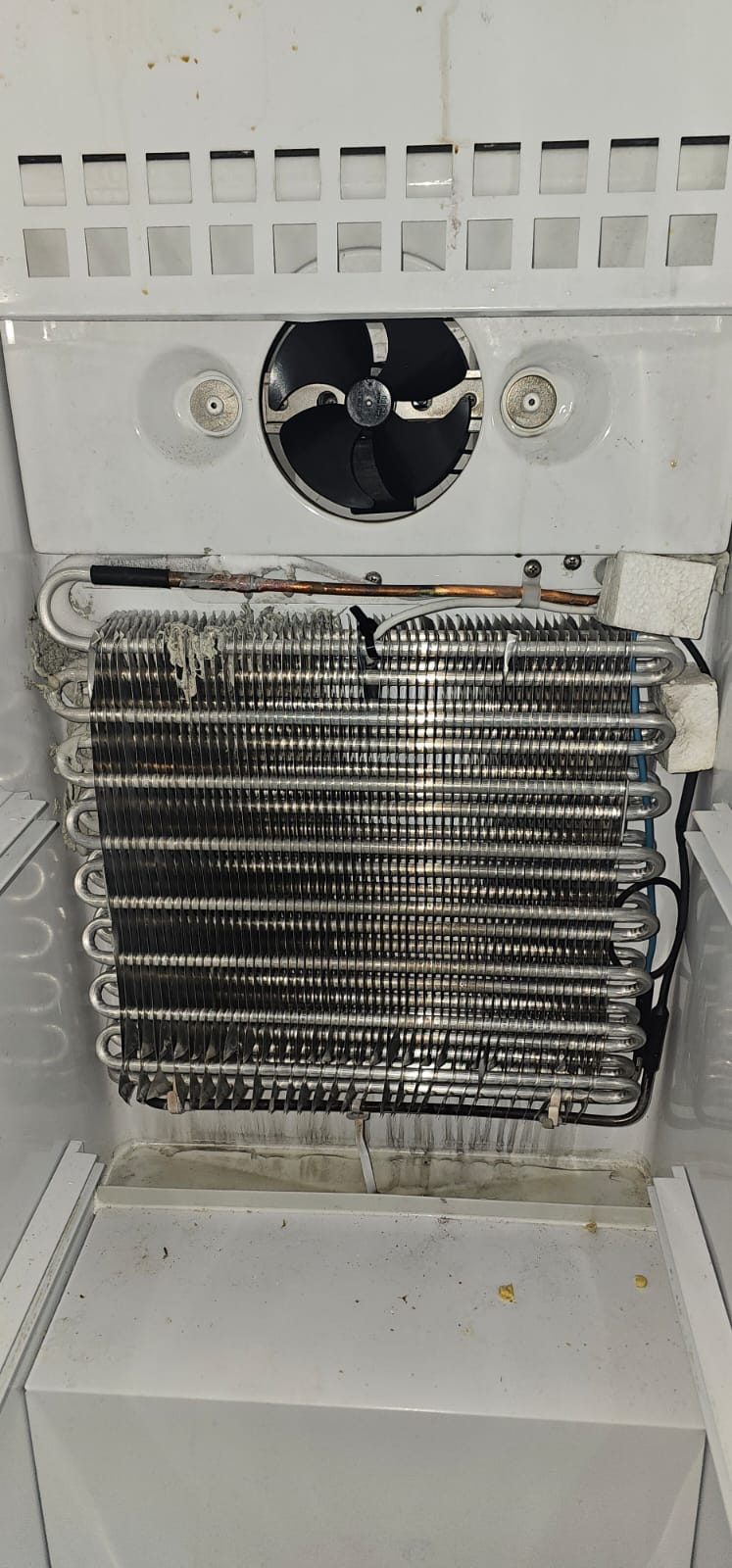
    • Cause: While not directly an ice maker part, if the freezer isn’t cold enough (ideally 0°F / -18°C), the ice maker won’t produce ice or will be very slow. This could be due to dirty condenser coils, a faulty evaporator fan, or a bad thermostat.
    • Solution: Clean coils, diagnose fan or thermostat issues.
  18. Clogged Water Filter:

    • Cause: Accumulation of sediment, minerals, or impurities in the filter.
    • Solution: Replace the water filter regularly (every 6 months is typical).
  19. Defective Water Inlet Valve:

    • Cause: The valve that controls water flow to the ice maker can become clogged with mineral deposits or fail electrically.
    • Solution: Replacement of the water inlet valve.
  20. Frozen Water Supply Line:

    • Cause: Freezer temperature set too low, or inadequate insulation around the water line.
    • Solution: Thaw the line (using a hairdryer carefully) and adjust freezer temperature.
  21. Faulty Thermostat/Temperature Sensor:

    • Cause: The sensor that tells the ice maker when to freeze and release ice is malfunctioning.
    • Solution: Replacement of the thermostat or sensor.
  22. Broken Ice Maker Mold/Tray:

    • Cause: Physical damage, often from trying to forcefully remove ice or internal components failing.
    • Solution: Replacement of the ice maker assembly or mold.
  23. Ice Maker Control Board Failure:

    • Cause: Electrical malfunction in the main control board that orchestrates the ice-making process.
    • Solution: Professional diagnosis and replacement of the control board.
  24. Kinked Water Line:

    • Cause: The water supply line behind the refrigerator or connected to the ice maker is bent, restricting water flow.
    • Solution: Straighten the kinked line.
  25. Loose or Damaged Wiring:

    • Cause: Electrical connections to the ice maker components can become loose or damaged over time, preventing power supply.
    • Solution: Professional inspection and repair/replacement of wiring.
  26. Faulty Dispenser Actuator/Paddle:

    • Cause: The mechanism you press to dispense ice is broken or not making proper contact.
    • Solution: Repair or replacement of the dispenser paddle assembly.
  27. Ice Maker Producing Small, Cloudy Ice:

    • Cause: High mineral content in the water supply or an old/ineffective water filter.
    • Solution: Replace water filter, consider a whole-house water filtration system.
  28. Ice Maker Not Cycling:

    • Cause: Often linked to a faulty motor, a broken gear, or a power supply issue to the ice maker module itself.
    • Solution: Diagnosis of the ice maker’s internal components.
  29. Door Switch Fault:

    • Cause: In some refrigerators, a door switch prevents the ice maker or dispenser from working when the freezer door is open. If faulty, it may think the door is always open.
    • Solution: Test and replace the door switch if defective.
  30. Refrigerator Not Level:

    • Cause: If the refrigerator or freezer is not level, it can affect the water flow to the ice maker or cause water to pool and freeze improperly in the tray.
    • Solution: Adjust the leveling feet of the refrigerator to ensure it is perfectly level.

For any of these complex ice maker issues, especially those involving electrical components or refrigerant (in commercial units), it’s always best to consult a certified technician from Major Appliances Repair. We have the tools and expertise to safely and efficiently diagnose and repair your ice maker, getting you back to chilling your drinks with ease.

Taking good care of your ice maker is essential for ensuring a steady supply of fresh, clean ice and extending the life of the appliance. Regular maintenance can prevent common issues, reduce energy consumption, and save you from costly repairs down the line.

Here are major tips for ice maker care:

  1. Read Your Owner’s Manual: This is always the first and most important step. Every ice maker model can have specific cleaning procedures, recommended cleaning solutions, and maintenance schedules unique to its design. Always follow the manufacturer’s guidelines.

  2. Regular Cleaning and Sanitization:

    • Frequency: For home ice makers, aim for every 1-3 months. Commercial units might need weekly or bi-weekly cleaning, depending on usage.
    • Process:
      • Turn off and unplug the machine.
      • Remove all ice from the bin. Discard old ice.
      • Remove any removable parts (ice bin, scoop, trays) and wash them with warm, soapy water. Rinse thoroughly and let them air dry completely.
      • Clean the interior surfaces of the ice maker (water reservoir, ice-making components) using a solution of warm water and a mild detergent, or a dedicated ice machine cleaner. You can use a soft cloth, sponge, or soft-bristled brush (like an old toothbrush for crevices).
      • For deep cleaning and descaling (removing mineral buildup), use a mixture of white vinegar and water (often 1:1 or as per manufacturer’s instructions) or a commercial descaling solution. Pour it into the water reservoir and run a cleaning cycle (if your machine has one). Follow with several rinse cycles using fresh water to remove any cleaning solution residue.
      • Sanitize the ice maker and bin with a food-safe sanitizing solution (often a diluted bleach solution, but check your manual for recommended solutions). Rinse thoroughly after sanitizing.
      • Wipe down the exterior of the machine with a soft cloth and mild detergent.
  3. Change Water Filters Regularly:

    • Frequency: Most manufacturers recommend replacing the water filter every 6 months, or more frequently if you have hard water, heavy usage, or notice a drop in ice quality/production.
    • Why: A clogged filter restricts water flow, reduces ice production, and can lead to cloudy or bad-tasting ice. An old filter can also become a breeding ground for bacteria.
  4. Inspect and Clean Condenser Coils:

    • Frequency: At least every 3-6 months, especially for commercial units.
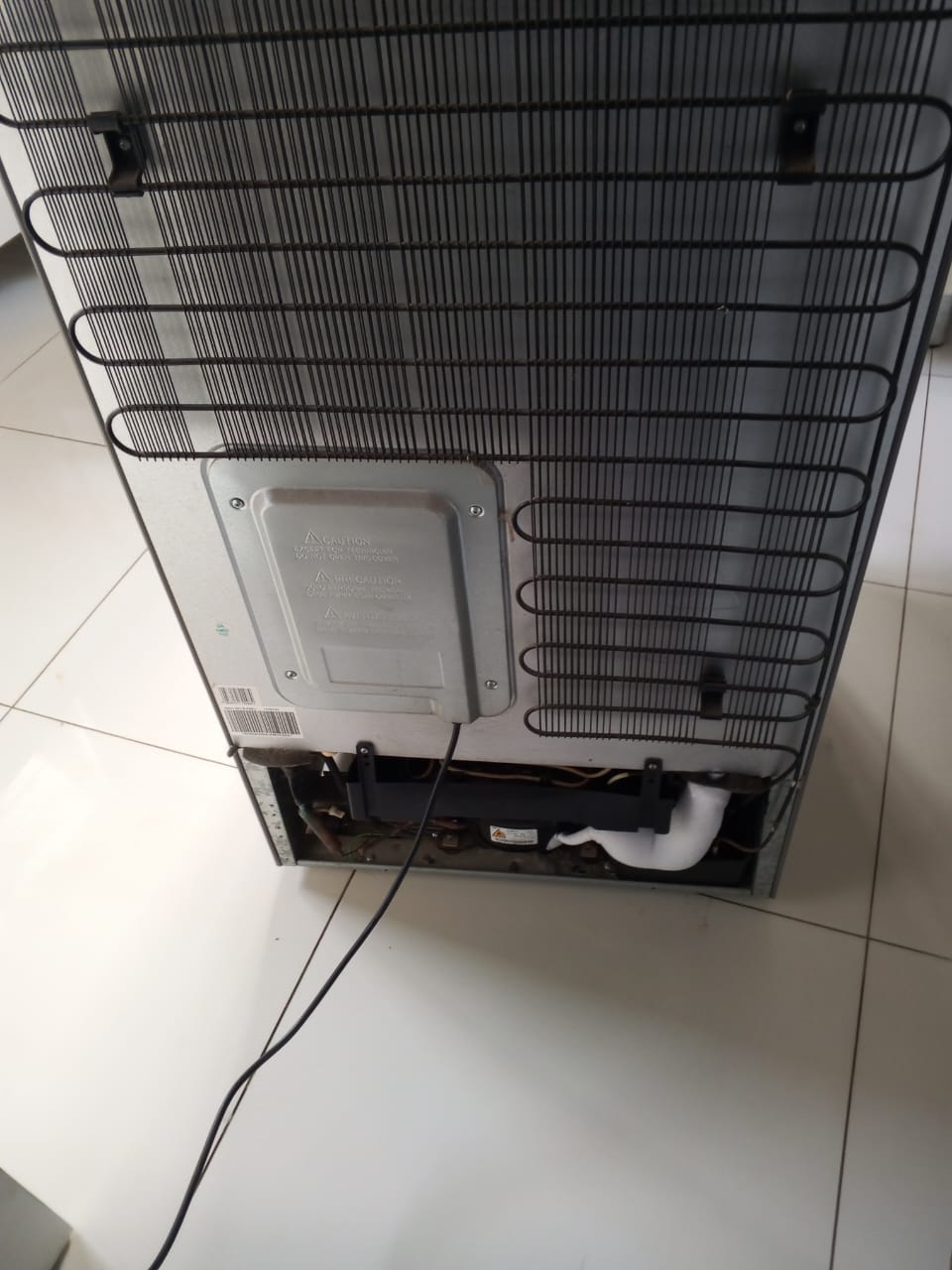
    • Process: The condenser coils are usually located at the back or bottom of the unit. Dust, lint, and pet hair can accumulate on them, hindering heat dissipation. Turn off the unit, and carefully use a vacuum cleaner with a brush attachment or a coil brush to remove debris. Clean coils improve efficiency and prevent overheating.
  5. Ensure Proper Airflow and Ventilation:

    • Placement: Place your ice maker in a well-ventilated area, away from direct sunlight or other heat sources.
    • Clearance: Ensure there’s adequate space around the unit (as per the manual) to allow for proper airflow, especially around the condenser coils. Blocked vents can lead to overheating and reduced efficiency.
  6. Check Water Supply Lines:

    • Inspect for Kinks: Periodically check the water line leading to the ice maker for any kinks or bends that could restrict water flow.
    • Check for Leaks: Look for any signs of water leakage around the connections, which could indicate a loose fitting or a cracked line. Address any leaks promptly.
  7. Monitor Ice Quality:

    • Pay attention to the clarity, taste, and size of your ice cubes. Cloudy ice, a strange taste, or abnormally small/hollow cubes can be early indicators of a clogged filter, mineral buildup, or other issues requiring attention.
  8. Empty and Clean the Ice Bin Regularly:

    • Don’t let ice sit in the bin indefinitely. Old ice can absorb freezer odors and develop a stale taste. Regularly empty the bin and wash it to prevent mold and bacterial growth.
  9. Use Filtered Water:

    • Using filtered water helps reduce the mineral content (hard water) that can lead to limescale buildup on the ice maker components, extending the life of the machine and improving ice quality.
  10. Schedule Professional Maintenance:

    • Frequency: Even with regular DIY care, it’s highly recommended to have a professional HVAC or appliance technician inspect your ice maker annually (or semi-annually for commercial units). They can check refrigerant levels (for commercial units), inspect electrical components, clean internal parts you can’t easily access, and perform any necessary adjustments to ensure optimal performance and prevent costly breakdowns.

By following these major tips for ice maker care, you can ensure your machine operates efficiently, produces clean, fresh ice, and lasts for many years to come.

Most Asked Questions & Answers About Ice Makers, Repairs & Operation

At Major Appliances Repair, we’ve seen and fixed countless ice maker issues over our 16+ years in service. Whether it’s a built-in refrigerator unit or a standalone commercial machine, problems can arise. Understanding these common issues, their causes, and solutions can help you know when it’s time to call in the experts.

Here are the most frequently asked questions about ice makers, along with their answers regarding common problems, repairs, and operation:

Ice Maker Operation & General Knowledge

  1. How do ice makers actually work?

    Most automatic ice makers work by filling a mold with water, freezing it solid, then gently heating the mold to release the ice cubes into a collection bin. A sensing arm or infrared sensor detects when the bin is full and signals the machine to stop production until more ice is needed.

  2. How long does it take for an ice maker to make a batch of ice?

    This varies by model. Refrigerator ice makers typically produce a batch of 8-10 cubes in about 90 minutes. Full bins can take 2-3 days to fill completely. Commercial ice makers are much faster, producing pounds of ice per hour.

  3. What’s the ideal freezer temperature for an ice maker?

    For optimal ice production, your freezer should be set to 0°F (-18°C). If the freezer is too warm, ice production will be slow or non-existent.

  4. Why is my ice maker slow to produce ice?

    Slow production can be due to a clogged water filter, low water pressure, a freezer temperature that is too warm, or a malfunctioning water inlet valve.

  5. Should I turn my ice maker off if I’m going on vacation?

    Yes, it’s generally a good idea. Turn off the water supply to the refrigerator and turn off the ice maker itself to prevent potential leaks or issues while you’re away.


Common Ice Maker Problems & Troubleshooting

  1. Why is my ice maker not making any ice at all?

    This is the most common issue. Causes include: water supply valve is off, a kinked or frozen water line, a clogged water filter, a faulty water inlet valve, the ice maker’s control arm is in the “off” position, or a defective ice maker module.

  2. My ice maker is making ice, but it’s not dispensing. What’s wrong?

    Often, this is due to ice being jammed in the dispenser chute or around the auger. Other causes can be a faulty dispenser motor, a broken auger, or a malfunctioning door switch.

  3. Why is my ice maker leaking water?

    Common causes for leaks are a clogged or frozen defrost drain line, a misaligned fill cup, a loose or cracked water line, or a faulty water inlet valve that isn’t closing properly.

  4. Why does my ice maker make strange noises (grinding, buzzing, clicking)?

    Grinding usually suggests worn gears or a faulty auger motor. Buzzing can be a struggling water inlet valve. Continuous clicking might indicate a problem with the ice maker module trying to cycle without success.

  5. Why are my ice cubes too small or hollow?

    This typically points to insufficient water supply. Causes include low water pressure, a partially clogged water filter, or a water inlet valve not providing enough water to the mold.

  6. My ice cubes taste or smell bad. How can I fix this?

    The most likely culprits are an old or dirty water filter, old ice absorbing freezer odors, or mold/mildew buildup in the ice maker components or bin. Regular cleaning and filter replacement are key.

  7. Why are my ice cubes clumped together in the bin?

    Clumping often happens when warm air enters the freezer (from a leaky door seal or frequent door opening), or if ice melts slightly and refreezes, bonding together. High humidity can also contribute.

  8. Why is my ice maker frozen solid?

    This “ice ball” effect is usually caused by excessive moisture, a leaky water inlet valve that drips continuously, a clogged drain line causing water to back up, or a thermostat issue making the freezer too cold.

  9. My ice maker overfills the tray with water. What’s the problem?

    This indicates a faulty water inlet valve that is not closing fully, allowing too much water to flow into the ice mold.

  10. The ice maker won’t shut off, even when the bin is full.

    The ice level control arm (bail arm) might be stuck in the “down” position, preventing it from sensing a full bin. Alternatively, a faulty ice level sensor or a defective ice maker control module could be the cause.

  11. Why is my outdoor standalone ice maker not making ice?

    Beyond typical issues, outdoor units are susceptible to ambient temperature extremes affecting performance, debris clogging vents, or pest infestations affecting components.

  12. My commercial ice machine isn’t producing enough ice for my business needs.

    This could be due to dirty condenser coils, an old or clogged water filter, low refrigerant levels, a malfunctioning fan motor, or a buildup of mineral scale on the evaporator plates.

Ice Maker Repairs & Components

  1. What is a water inlet valve and why is it important?

    The water inlet valve is an electrically controlled valve that opens to allow water from your home’s supply line to flow into the ice maker mold. It’s critical for controlling the amount and timing of water delivery.

  2. How do I know if my water inlet valve is bad?

    Signs of a bad water inlet valve include no water entering the ice maker, continuous dripping, or a buzzing sound when it tries to open.

  3. What does the ice maker’s thermostat or sensor do?

    The thermostat or temperature sensor detects when the water in the ice mold is fully frozen, triggering the next steps in the ice-making cycle, like activating the heating element to release the cubes.

  4. What is the auger in an ice maker?

    The auger is a spiral screw mechanism, typically found in dispenser models, that rotates to break up and push ice cubes from the bin into the dispenser chute.

  5. Can a clogged water filter really stop an ice maker from working?

    Absolutely. A severely clogged water filter restricts water flow, meaning not enough water reaches the ice maker, leading to no ice production or very small cubes.

  6. What is a defrost drain line and why does it get clogged?

    The defrost drain line carries away melted frost and condensation from the freezer. It can get clogged with ice, debris, or algae/mildew, leading to water backing up and leaking or freezing around the ice maker components.

  7. How do I fix a frozen water supply line to my ice maker?

    First, turn off the water supply. You can attempt to thaw the line carefully with a hairdryer or a warm damp cloth. Address the underlying cause like extreme cold or poor insulation.

  8. Is it worth repairing an older ice maker?

    This depends on the cost of the repair versus the cost of a new unit, and the age of the appliance. Simple component replacements (e.g., water valve, filter) are usually cost-effective. Major repairs or multiple issues on a very old unit might make replacement a better option.

Ice Maker Maintenance & Care

  1. How often should I clean my ice maker?

    For residential ice makers, clean and sanitize every 3-6 months. Commercial units, due to higher usage and strict hygiene standards, should be cleaned monthly or bi-monthly, and professionally serviced annually.

  2. How often should I change my ice maker’s water filter?

    Most manufacturers recommend changing the water filter every 6 months. If you have hard water or use the ice maker frequently, you might need to change it more often.

  3. What’s the best way to clean my ice maker?

    Always follow your owner’s manual. Generally, you unplug the unit, remove all ice, wash removable parts with soapy water, clean the interior with a mild detergent/vinegar solution (or dedicated cleaner), run rinse cycles, and then sanitize with a food-safe solution.

  4. Why is cleaning the condenser coils important for my ice maker?

    Dirty condenser coils hinder the unit’s ability to dissipate heat, making the ice maker work harder, reducing its efficiency, and potentially leading to overheating and component failure. Clean coils ensure optimal performance.

  5. When should I call a professional for ice maker repair?

    You should call a professional if:

    • You’ve tried basic troubleshooting (filter change, checking water supply) and the issue persists.
    • The problem involves electrical components, refrigerant (in commercial units), or complex internal parts.
    • You hear unusual grinding or banging noises.
    • There’s a persistent leak causing water damage.
    • You suspect a major component failure.

By understanding these common questions and answers, you can better manage your ice maker’s health and know when it’s time to seek expert assistance from a qualified appliance repair service.

Our Working Hours & Same-Day Appliance Repairs around Gauteng

At Major Appliance Repairs, we understand how disruptive a broken appliance can be—whether at home, in a restaurant, or a commercial kitchen. That’s why our certified technicians are ready to provide fast, reliable, and professional appliance repairs across Gauteng.

We offer same-day on-site repairs for fridges, freezers, ovens, stoves, dishwashers, microwaves, extractor fans, fryers, coffee machines, and more. If your appliance breaks down unexpectedly, our emergency repair service ensures help is available when you need it most.

Working Hours & On-Site Service

DayWorking HoursService Highlights
Monday7:00 AM – 6:30 PMSame-day on-site repairs & emergency service available
Tuesday7:00 AM – 6:30 PMSame-day on-site repairs & emergency service available
Wednesday7:00 AM – 6:30 PMSame-day on-site repairs & emergency service available
Thursday7:00 AM – 6:30 PMSame-day on-site repairs & emergency service available
Friday7:00 AM – 6:30 PMSame-day on-site repairs & emergency service available
Saturday7:00 AM – 6:30 PMSame-day on-site repairs & emergency service available

Areas We Serve Across Gauteng

We provide appliance repair services throughout the province, covering major areas including:

Johannesburg, Pretoria, Centurion, Midrand, Sandton, Randburg, Roodepoort, Boksburg, Bedfordview, Alberton, Germiston, Benoni, Edenvale, Kempton Park, Krugersdorp, Vanderbijlpark, Vereeniging,Modderfontein, and surrounding regions.

No matter where you are, our technicians arrive fully equipped for on-site repairs, minimizing downtime and restoring your appliances efficiently.

Why Choose Major Appliance Repairs?

  • Certified technicians for gas, electrical, and refrigeration appliances

  • Same-day on-site repairs for homes, restaurants, and commercial kitchens

  • Emergency repairs available for urgent breakdowns

  • Service for all major appliance brands and models, including Defy, Samsung, LG, Bosch, Whirlpool, Miele, Smeg, Siemens, AEG, Hisense, Vulcan, Rational, and more

  • Transparent pricing with warranty on parts and labour

  • Residential, commercial, and industrial appliance expertise

We specialize in fridge repairfreezer repairair conditioner repair (split, window, ductless, portable & central), cold room repairHVAC repairwashing machine repairdishwasher repairoven and stove repairextractor fan repair and installationice maker repair, and fireplace repair and installation. Based in Modderfontein, we serve Greenstone, Edenvale, Sandton, Midrand, Johannesburg, Centurion, and all areas of Gauteng.

Major Appliances Repair @2025. All Rights Reserved.

OUR RECENT WORK