At Major Appliances Repair, we understand that a broken stove can quickly throw your kitchen into disarray. With over 16 years of experience, our certified technicians are experts at diagnosing and fixing virtually any stove problem. Here are the most frequently asked questions about stove repairs, along with comprehensive answers to help you understand your appliance better.
Electric Cooktop/Hob Issues
Q: My electric burner won’t heat up at all. What’s the problem?
- A: This is a very common issue. The most likely causes are a faulty heating element itself, a defective infinite switch (the knob that controls the heat), or a loose wire connection to the element or switch. We test each component to pinpoint the exact failure.
Q: Why does my electric burner only heat on the high setting?
- A: This almost always points to a malfunctioning infinite switch. This switch is designed to regulate the power flow to the element across different heat settings. If it’s only sending full power, it needs to be replaced.
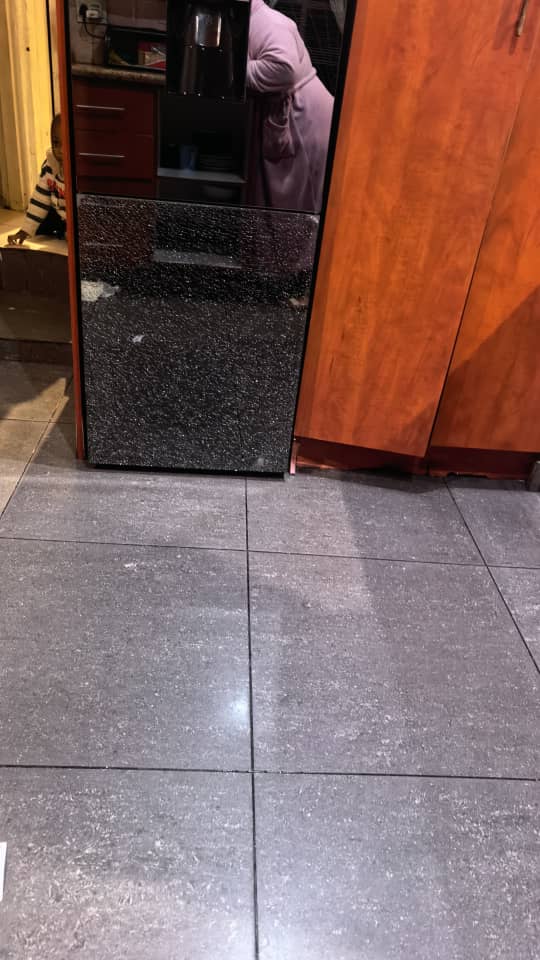
Q: My ceramic glass cooktop has a crack. Can it be repaired or does it need replacement?
- A: Unfortunately, a cracked ceramic glass cooktop surface cannot be repaired; it requires a complete replacement. Continuing to use a cracked surface is dangerous due to potential electrical shock or further shattering.
Q: Why are my electric coil burners sparking or arcing?
- A: Sparking or arcing indicates a short circuit. This could be due to a damaged heating element (e.g., exposed wire), a loose connection in the terminal block, or moisture around the element. Discontinue use immediately and call for professional inspection.
Q: My electric induction cooktop isn’t working with my pots. What’s wrong?
- A: Induction cooktops require specific magnetic cookware. If your pots aren’t induction-compatible, they won’t heat. If you’re using compatible cookware, the issue could be a faulty induction coil, a defective control board, or a sensor problem.
Q: Why is one of my electric cooktop indicator lights not working?
- A: It’s usually a burnt-out bulb. If the bulb is fine, it could be a wiring issue, or a fault within the switch or control board.
Gas Cooktop/Hob Issues
Q: My gas burner won’t ignite or light. What should I check?
- A: First, ensure the gas supply valve to the stove is open. Then, check for food debris clogging the burner ports or a wet igniter (electrode). If clean and dry, the problem might be a faulty igniter, a weak spark module, or loose wiring.
Q: Why does my gas burner ignite but the flame is weak or uneven?
- A: A weak or uneven flame is typically caused by clogged burner ports (food debris). It could also indicate low gas pressure or a faulty burner valve that isn’t allowing sufficient gas flow.
Q: My gas stove is making a persistent clicking sound even when off. Why?
- A: This continuous clicking means the igniter is constantly sparking. Common causes are a wet igniter (from recent cleaning or spill), a dirty igniter, a faulty spark module that’s constantly sending current, or a loose wiring connection.
Q: Why does my gas stove burner keep turning off after lighting?
- A: This often points to a problem with the flame sensor (thermocouple in older models). If the sensor doesn’t detect a flame quickly enough, it shuts off the gas supply as a safety measure. It could also be poor gas flow or a dirty burner.
Q: I smell gas near my stove, but no burner is on. What should I do?
- A: This is a serious safety hazard. Immediately turn off the gas supply to the stove, open windows and doors, evacuate everyone from the building, and call your gas provider or emergency services from a safe distance. Do NOT turn on or off any electrical switches or appliances.
Q: Why are my gas oven burner flames yellow or orange instead of blue?
- A: A yellow or orange flame indicates incomplete combustion, which can produce carbon monoxide. This is usually caused by clogged burner ports, incorrect air-to-gas mixture (requiring a professional adjustment of the air shutter), or sometimes a problem with the gas supply pressure.
Q: My gas burner knobs are stuck or hard to turn. Can they be fixed?
- A: They might be coated with grease buildup underneath the knob, or the valve stem itself could be worn or damaged. Cleaning can help if it’s grease; otherwise, the burner valve may need replacement.
Oven Heating & Temperature Issues
Q: My electric oven is not heating at all. What are the common causes?
- A: The most frequent culprits are a burnt-out bake or broil element, a faulty oven temperature sensor, a defective oven control board, or a tripped circuit breaker for the oven.
Q: My gas oven is not heating. What could be the issue?
- A: For gas ovens, the most common reason is a faulty igniter. The igniter must draw enough current to glow and also open the gas safety valve. If it’s weak or burnt out, the gas won’t flow. Other causes include a defective oven safety valve or issues with the gas supply.
Q: Why is my oven temperature inaccurate (either too hot or too cold)?
- A: This is usually due to a faulty oven temperature sensor (a common part to fail), a miscalibrated thermostat, or a malfunctioning oven control board sending incorrect signals.
Q: Food is burning on the bottom of my oven, but not cooking on top. Why?
- A: This suggests the bake element is working fine, but the broil element (top) or convection fan (if applicable) isn’t. It could also be due to an improperly sized oven, or food placed too low.
Q: My oven is heating too slowly. What causes this?
- A: A weak or partially failing heating element (electric), a weak igniter (gas), or a faulty temperature sensor that’s delaying the heating process can cause slow preheating.
Q: Why is my oven preheating, but then the temperature drops or doesn’t hold?
- A: This often indicates a problem with the oven temperature sensor or the control board. The sensor might be sending inaccurate readings, causing the heating elements to cycle off too soon or not turn on when needed.
Oven Door & Interior Issues
Q: My oven door won’t close properly. How can I fix this?
- A: This is commonly caused by worn or broken oven door hinges, a damaged or torn door gasket (seal), or the door being out of alignment. Replacing the hinges or gasket usually solves the problem.
Q: The glass on my oven door is cracked. Can it be repaired?
- A: No, like a cooktop, cracked oven door glass cannot be repaired and must be replaced. It’s a safety hazard and will lead to heat loss.
Q: Why is my oven light not working?
- A: The most common reason is a burnt-out oven light bulb. If replacing the bulb doesn’t work, it could be a faulty light switch (often located near the door hinge) or a wiring issue.
Q: My oven’s self-cleaning cycle isn’t working. What’s the problem?
- A: The self-cleaning cycle relies on the door locking securely. If the door latch mechanism is faulty, the cycle won’t start. A defective oven control board or temperature sensor can also prevent it.
Q: Why is my oven smoking or smelling when I use it?
- A: Often, this is due to food spills inside the oven or on the elements that are burning off. Excessive smoke or a burning smell (especially electrical) could also indicate a faulty heating element or wiring. Thorough cleaning is usually the first step.
Q: Why is my oven fan running constantly, even after it cools down?
- A: This is usually a sign of a faulty cooling fan thermostat that’s stuck on, or a stuck relay on the main control board that’s keeping the fan powered.
General Stove & Oven Issues
Q: My stove’s main power keeps tripping the circuit breaker. What’s causing this?
- A: A tripping breaker indicates a short circuit or an electrical overload within the appliance. This could be a faulty heating element, damaged wiring, a defective control board, or an issue with the power supply to the stove.
Q: The control knobs on my stove are loose or broken. Can I replace them myself?
- A: Loose knobs can often be tightened. If a knob is broken, replacement is usually straightforward; many are pull-off/push-on. However, if the shaft they attach to is broken, it requires professional repair of the internal valve or switch.
Q: My oven display screen is not working or showing error codes. What do the codes mean?
- A: Error codes indicate specific malfunctions detected by the appliance’s internal diagnostics (e.g., sensor failure, communication error, component fault). You’ll need to consult your owner’s manual to interpret the code. Often, it points to a control board or sensor issue.
Q: Why is my stove making a buzzing or humming noise?
- A: A buzzing can come from the clock/timer motor, a relay on the control board, or even a faulty gas valve. Humming might be a cooling fan or slight vibration. Identifying the exact source usually requires professional inspection.
My stove’s timer or clock is not working. How can I fix it?
- A: First, try resetting the appliance by unplugging it for a few minutes or flipping the breaker. If that doesn’t work, the clock module or control board may be faulty and need replacement.
Additional Common Questions
- Q: Why is my convection oven fan not spinning?
- A: A faulty convection fan motor or a broken fan blade.
- Q: What is a “hot surface” indicator light and why is it staying on?
- A: It indicates a burner is hot. If it stays on when the burner is cool, it’s a faulty sensor or switch.
- Q: Can I replace a stove heating element myself?
- A: For coil elements, yes, it’s relatively simple. For radiant elements under glass, it’s more complex and often requires professional help. Always disconnect power first.
- Q: Why does my stove take so long to preheat?
- A: Weak heating elements (electric), weak igniter (gas), or a faulty temperature sensor.
- Q: My stove’s interior light (for the oven) isn’t turning on.
- A: Check the bulb first, then the light switch (often near the door).
- Q: Why is food cooking unevenly in my oven?
- A: Faulty temperature sensor, partially failing heating element, or poor air circulation (check for obstructions).
- Q: What are the risks of using a gas stove with a yellow flame?
- A: Incomplete combustion, which can produce carbon monoxide. This is a safety hazard and needs immediate attention.
- Q: How do I clean burned-on food from my glass cooktop?
- A: Use a glass cooktop cleaner and a non-abrasive scrubber or a specific ceramic scraper on a cool surface.
- Q: My stove timer doesn’t alert me when finished.
- A: A faulty speaker or control board issue.
- Q: Why is my electric stove element sparking when wet?
- A: Water can cause a short circuit. Ensure the element is dry before using. If it persists when dry, the element may be faulty.
- Q: Can power surges damage my stove’s electronics?
- A: Yes, power surges can damage sensitive control boards and electronic components. Consider a surge protector.
- Q: My dual fuel range’s gas cooktop works, but the electric oven doesn’t.
- A: Treat this as a separate electric oven issue. Check the oven elements, sensor, and control board.
- Q: How do I clean clogged gas burner ports?
- A: Use a paperclip or thin wire to gently poke through the holes. Avoid toothpicks as they can break inside.
- Q: Why does my oven door get extremely hot on the outside?
- A: A faulty or worn oven door gasket/seal, or inadequate insulation within the door.
- Q: My stove has a “lock” feature, but it won’t unlock.
- A: Could be a temporary software glitch (try resetting power), or a fault in the locking mechanism or control board.
- Q: The digital clock on my stove is flashing/incorrect.
- A: Typically caused by a power outage. Reset the clock manually. If it persists, it might be a control board issue.
- Q: Why does my gas stove have a strong gas smell when first turned on?
- A: A slight smell is normal immediately after igniting. A strong, persistent smell indicates a leak and requires immediate professional attention.
- Q: Can a dirty stove affect cooking performance?
- A: Yes. Burned-on food can cause uneven heating, smoke, and affect temperature sensing in the oven. Dirty burner ports cause uneven flames.
- Q: What is a “thermal fuse” in an oven and why does it trip?
- A: A thermal fuse is a safety device that trips if the oven overheats. It’s usually a non-resettable fuse and indicates a problem with the thermostat or a cooling issue.
- Q: When should I consider replacing my stove instead of repairing it?
- A: Consider replacement if: the repair cost is more than 50% of a new stove’s price, the appliance is very old (10+ years), or it experiences frequent, recurring major problems.
For any of these complex stove issues, particularly those involving gas or intricate electrical components, it’s always safest and most effective to contact a qualified appliance repair technician. Attempting repairs yourself can be dangerous and may void warranties.