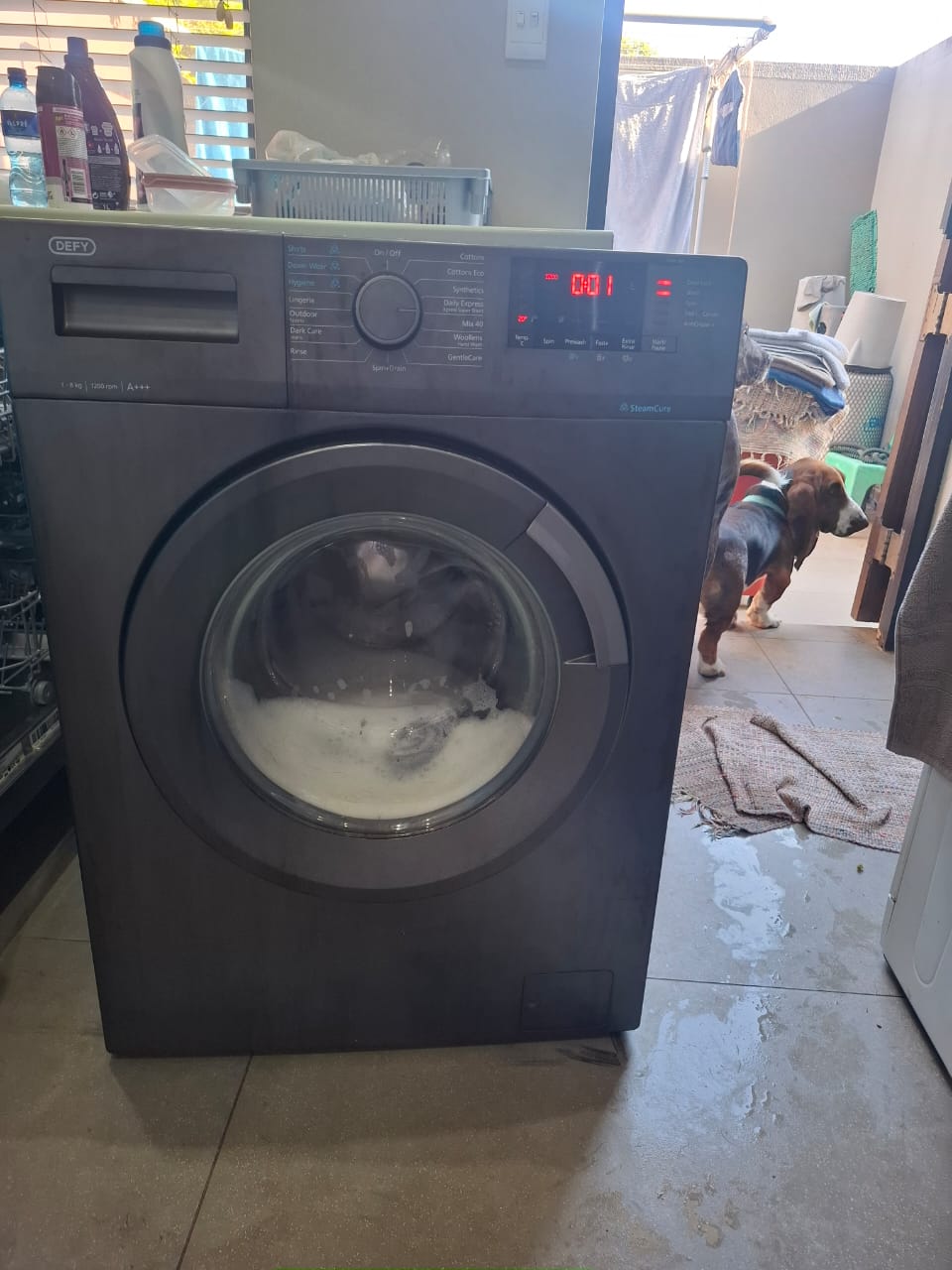
A broken washing machine can quickly turn laundry day into a nightmare. At Major Appliances Repair, we understand the frustration of piles of dirty clothes. That’s why we offer prompt, reliable, and professional washing machine repairs right here in Benoni, Gauteng, ensuring your laundry routine gets back on track without delay. When your washing machine falters in Benoni, our certified technicians are your go-to experts for swift and effective solutions.

Types, Models, Setups, and Settings We Service in Benoni

Our expertise covers the full spectrum of washing machine technologies, ensuring we can assist you regardless of your laundry setup in Benoni.

Types & Setups:

  • Top-Loader Washing Machines: Traditional models with an agitator or impeller, commonly found in many Benoni kitchens and laundries.

  • Front-Loader Washing Machines: Known for their water and energy efficiency, a popular choice in Benoni residences, including modern complexes and family homes.

  • Integrated/Built-in Washing Machines: Designed to blend seamlessly with kitchen cabinetry, often seen in the contemporary homes and apartments of Benoni.

  • Washer-Dryer Combos: All-in-one units that wash and dry clothes, convenient for spaces in Benoni where separate appliances aren’t feasible.

  • Commercial Washing Machines: Heavy-duty machines used in residential complexes, laundromats, guesthouses, and businesses within and around Benoni.

Settings & Features: We understand the complexities of various wash cycles (e.g., delicate, heavy duty, quick wash), temperature settings (cold, warm, hot), spin speeds, and special features like steam wash, sanitise, and eco-modes. Our technicians are adept at troubleshooting issues related to specific program settings for any washing machine in Benoni.

Leading Washing Machine Brands We Expertly Repair

Our certified technicians are trained and experienced in servicing a wide array of popular and high-end washing machine brands commonly found in Benoni and the greater Gauteng area. This includes, but is not limited to:

  • Defy

  • Samsung

  • LG

  • Bosch

  • Whirlpool

  • Smeg

  • Hisense

  • Kelvinator

  • Electrolux

  • AEG

  • Miele

  • Beko

  • Speed Queen

  • Russell Hobbs

  • Liebherr

  • Sub-Zero

  • Gaggenau

  • And many other reputable local and international brands.

Common Washing Machine Problems We Fix in Benoni

If your washing machine in Benoni is experiencing any of the following common issues, our technicians can diagnose and repair them:

  • Washing machine not spinning or not completing spin cycle: Often caused by drainage problems, a faulty motor, worn belt, or an unbalanced load.

  • Washing machine not draining water: Can be due to a clogged drain hose, faulty drain pump, or issues with the lid switch/door lock.

  • Washing machine leaking water: Common culprits include damaged hoses, loose connections, a faulty door seal, or overloading.

  • Washing machine making loud or unusual noises: May indicate an unbalanced load, worn drum bearings, foreign objects in the drum, or a faulty motor.

  • Washing machine not turning on: Could be due to power supply issues (plug, circuit breaker), a faulty lid switch/door lock, or control panel malfunction.

  • Washing machine not filling with water: Often related to water inlet valve issues, clogged hoses, or problems with the water level switch.

  • Washing machine not cleaning clothes properly: Can stem from using too much or too little detergent, overloading, a dirty machine, or drainage issues.

  • Washer shaking excessively: Typically due to an unbalanced load or improper leveling of the machine.

  • Error codes displayed: Our technicians can interpret and troubleshoot issues indicated by various error codes.

  • Tripping mains/power issues: This can indicate a serious electrical fault that requires immediate professional attention.

Why Choose Major Appliances Repair for Your Benoni Washing Machine?

We are committed to providing top-notch washing machine repair services to the Benoni community.

  • Experienced and Certified Technicians: Our professionals bring deep, practical knowledge of various washing machine types and technologies, ensuring reliable appliance repair in Benoni.

  • Comprehensive Diagnostic & Repair: We accurately identify and effectively resolve complex issues, providing lasting solutions.

  • Affordable and Transparent Pricing: You’ll receive clear, upfront quotes with no hidden fees for all your Benoni washing machine repair needs. Many reputable providers offer no call-out fee if the repair is accepted. An inspection fee of around R500 may apply if you opt not to proceed with the repair after diagnosis.

  • Fast Turnaround: We prioritize efficient and reliable repairs to significantly minimize your appliance downtime, with many companies offering same-day service to get your washing machine operational again as quickly as possible.

  • Guaranteed Work: Most reputable repairs come with a 6-month warranty on parts and workmanship for your peace of mind.

  • Mobile Service: Our technicians are often on the road, allowing for quick response times and on-site repairs throughout Benoni and its surrounding areas.

  • Emergency Repairs: Many providers offer emergency repair services for urgent situations, understanding the inconvenience of a broken washing machine.

We Proudly Serve Benoni and Surrounding East Rand Areas:

Major Appliances Repair provides expert washing machine repair services throughout Benoni, Gauteng, and its surrounding residential and commercial areas, including:

  • Boksburg (close proximity service)

  • Springs (close proximity service)

  • Brakpan (close proximity service)

  • Northmead (close proximity service)

  • Farrarmere (close proximity service)

  • Lakefield (close proximity service)

  • Rynfield (close proximity service)

  • Actonville (close proximity service)

  • Daveyton (close proximity service)

  • Etwatwa (close proximity service)

  • Germiston (close proximity service)

  • Kempton Park (close proximity service)

  • Edenvale (close proximity service)

  • And other popular neighborhoods and developments within the East Rand region of Gauteng.

Don’t let laundry pile up due to a faulty washing machine. For fast, dependable, and professional washing machine repairs in Benoni, Gauteng, trust the experts at Major Appliances Repair. We’re dedicated to getting your appliance spinning effectively again!

Inquiry form

Common Washing Machine Issues We Repair in Benoni

When your washing machine acts up, it can quickly throw your household routine into chaos. At Major Appliances Repair, we’ve encountered just about every washing machine problem imaginable over our 16+ years of service. Understanding these common issues can help you pinpoint the problem and know when to call in our certified experts.

Here are common washing machine issues we frequently repair, along with their typical causes and solutions:

  1. Washing Machine Not Starting:

    • Cause: No power (unplugged, tripped breaker), faulty door/lid switch, defective timer or control board, or a burnt-out motor.
    • Solution: Check power, inspect/replace door switch, diagnose electrical components.
  2. Washing Machine Not Draining:

    • Cause: Clogged drain pump filter, kinked or blocked drain hose, faulty drain pump, or an issue with the washer’s control board.
    • Solution: Clear pump filter/hose, replace drain pump.
  3. Washing Machine Not Spinning:

    • Cause: Unbalanced load, broken drive belt, worn motor coupling or motor brushes, faulty lid switch, or a malfunctioning motor or control board.
    • Solution: Redistribute load, replace belt/coupling/brushes/lid switch, diagnose motor/board.
  4. Washing Machine Leaking Water:

    • Cause: Damaged door seal/gasket (front-loaders), loose or cracked water inlet/drain hoses, faulty water inlet valve, clogged drain pump, or a cracked tub.
    • Solution: Replace seal/hoses/valve, clear pump, or diagnose tub.
  5. Excessive Noise or Vibration:

    • Cause: Unbalanced load, worn drum bearings, faulty shock absorbers, foreign objects (coins, keys) in the drum or pump, or a damaged motor.
    • Solution: Redistribute load, replace bearings/shocks, remove foreign objects, diagnose motor.
  6. Washing Machine Not Filling with Water:

    • Cause: Water taps closed, kinked water inlet hoses, clogged water inlet screens/filters, or a defective water inlet valve.
    • Solution: Open taps, unkink hoses, clean filters, replace valve.
  7. Washing Machine Overfilling with Water:

    • Cause: Faulty water inlet valve (stuck open), defective water level pressure switch, or a control board malfunction.
    • Solution: Replace valve or pressure switch, diagnose control board.
  8. Bad Odour in Washing Machine:

    • Cause: Mold and mildew buildup in the drum, detergent dispenser, or door seal (especially front-loaders), often from using too much detergent or not leaving the door ajar after use.
    • Solution: Clean with specialized washer cleaner, run hot cycle with vinegar/baking soda, clean door seal.
  9. Clothes Not Getting Clean:

    • Cause: Overloading the machine, using too little detergent, a faulty agitator/pulsator, incorrect water temperature, or a clogged drain pump filter (affecting drainage).
    • Solution: Adjust load size/detergent, check agitator, ensure proper water temperature.
  10. Error Codes on Display:

    • Cause: Digital displays often show specific codes indicating a detected fault (e.g., door lock issue, motor fault, drainage error).
    • Solution: Consult owner’s manual for code meaning; usually points to a sensor, motor, or control board issue requiring diagnosis.
  11. Washing Machine Shuts Off Mid-Cycle:

    • Cause: Overheating motor, faulty timer/control board, power supply issue, or an unbalanced load tripping a safety switch.
    • Solution: Check for overload, diagnose motor, timer, or power supply.
  12. Washing Machine Won’t Agitate:

    • Cause: Worn agitator dogs (top-loaders), broken drive belt, faulty motor coupling, or a defective motor or control board.
    • Solution: Replace agitator dogs/belt/coupling, diagnose motor/board.
  13. Spin Cycle Leaves Clothes Sopping Wet:

    • Cause: Washer not spinning properly (see #3), drain issue (see #2), or an unbalanced load preventing high-speed spin.
    • Solution: Address underlying spin or drain problem, balance load.
  14. Washing Machine Dispenser Not Working (Detergent/Softener Left):

    • Cause: Clogged dispenser drawer, low water pressure, or faulty dispenser solenoid (front-loaders).
    • Solution: Clean dispenser drawer, check water pressure, diagnose solenoid.
  15. Burnt Smell from Washing Machine:

    • Cause: Overheating motor, worn drive belt friction, or an electrical short.
    • Solution: Discontinue use immediately. Requires professional diagnosis due to potential fire hazard.
  16. Door/Lid Won’t Unlock (Front-Loaders):

    • Cause: Faulty door lock mechanism, water remaining in the drum (safety feature), or a control board error.
    • Solution: Drain water manually, diagnose/replace door lock or control board.
  17. Noisy Drain Pump:

    • Cause: Foreign object (coin, button) trapped in the pump, or a worn-out pump motor/impeller.
    • Solution: Clear obstruction, replace drain pump.
  18. Washing Machine Won’t Turn On at All:

    • Cause: No power, faulty main control board, or a completely dead motor.
    • Solution: Check power supply, diagnose control board/motor.
  19. Water Temperature Issues (Too Hot/Cold):

    • Cause: Faulty temperature sensor, defective water inlet valve (hot or cold side), or a control board issue.
    • Solution: Diagnose sensor, replace valve, or inspect control board.
  20. Excessive Suds:

    • Cause: Using too much detergent, using incorrect detergent type (e.g., non-HE detergent in an HE machine), or issues with water hardness.
    • Solution: Use less/correct detergent, check water hardness.
  21. Drum Not Turning (Motor Hums):

    • Cause: Seized drum bearings, broken drive belt, or faulty motor coupling. Motor is trying to work but can’t move the drum.
    • Solution: Replace bearings, belt, or coupling.
  22. Clothes Damaged During Wash Cycle:

    • Cause: Overloading, foreign objects in the drum, faulty agitator/pulsator, or a damaged drum interior (e.g., rough spots).
    • Solution: Correct loading, remove objects, repair/replace agitator, inspect drum.
  23. Buttons/Touchpad Not Responding:

    • Cause: Locked control panel, moisture damage, or a faulty control board/user interface board.
    • Solution: Unlock panel, dry controls, diagnose/replace board.
  24. Washing Machine Smells Like Burning Rubber:

    • Cause: Overheating motor, friction from a slipping or worn drive belt, or other rubber components rubbing incorrectly.
    • Solution: Discontinue use. Requires professional diagnosis to prevent fire hazard.
  25. Long Wash Cycle Times:

    • Cause: Clogged water inlet screens, low water pressure, excessive suds (machine adds rinse cycles), or a faulty water level sensor.
    • Solution: Clean screens, check pressure, use less detergent, diagnose sensor.
  26. Washing Machine Fills and Immediately Drains:

    • Cause: Drain hose positioned too low or inserted too far into the standpipe (siphoning effect), or a faulty water level sensor.
    • Solution: Adjust drain hose height, diagnose/replace sensor.
  27. Clothes Have Lint After Washing:

    • Cause: Clogged lint filter (if applicable), overloading, using too much detergent, or washing lint-producing items with lint-attracting ones.
    • Solution: Clean lint filter, adjust load, sort laundry.
  28. Washing Machine Won’t Progress Through Cycles:

    • Cause: Faulty timer, control board, or a specific sensor that isn’t signalling completion of a previous stage.
    • Solution: Diagnose/replace timer, control board, or relevant sensor.
  29. Water Inlet Hoses Are Leaking:

    • Cause: Loose connections, worn-out rubber washers, or cracked hoses.
    • Solution: Tighten connections, replace washers, or replace hoses.
  30. No Hot Water for Wash Cycle:

    • Cause: Hot water tap closed, hot water inlet hose kinked/clogged, or the hot water solenoid on the inlet valve is faulty.
    • Solution: Check tap/hose. Replace water inlet valve if hot water solenoid is defective.

For any of these complex washing machine issues, especially those involving electrical components, drive systems, or integrated electronics, it’s always safest and most effective to contact a qualified appliance repair technician. Attempting complex repairs yourself can be dangerous and may cause further damage.

Taking good care of your washing machine is crucial for its longevity, efficient performance, and most importantly, your safety. Regular maintenance can prevent common issues, save energy, and avoid costly repairs.

Here are comprehensive tips for washing machine care, safety, and maintenance:

Washing Machine Care Tips:

  1. Read Your Owner’s Manual: This is the most important first step. Every washing machine model has specific features, recommended detergents, cleaning cycles, and maintenance requirements unique to its design (e.g., top-loader vs. front-loader, agitator vs. impeller).

  2. Use the Right Detergent in the Right Amount:

    • HE Detergent: Always use High-Efficiency (HE) detergent if your machine is an HE model (most modern front-loaders and some top-loaders are). HE detergents produce fewer suds, which can damage HE machines and cause residue buildup.
    • Amount: Use only the recommended amount of detergent. Too much can lead to excessive suds, residue buildup on clothes and in the machine, and even pump issues.
  3. Clean the Detergent Dispenser:

    • Regularly clean the detergent and fabric softener dispenser trays. Residue can accumulate, blocking the flow and leading to clogs or mould growth. Some dispensers are removable for easier cleaning.
  4. Clean the Door Seal (Front-Loaders):

    • The rubber gasket around the door of front-loaders is prone to mold, mildew, and grime buildup. After every wash, wipe it dry and leave the door ajar to allow air circulation. Periodically clean it thoroughly with a damp cloth and a mild cleaner (or a baking soda/vinegar solution), paying attention to all crevices.
  5. Run Cleaning Cycles Regularly:

    • Most modern washing machines have a “clean washer” or “tub clean” cycle. Run this cycle monthly (or as recommended by the manufacturer) using a washing machine cleaner, white vinegar, or bleach (check your manual for which is suitable). This helps remove detergent residue, mold, and odours.
  6. Empty Pockets Before Washing:

    • Coins, keys, tissues, and other small items can damage the wash tub, pump, and drain lines. Always check pockets before loading clothes.
  7. Don’t Overload the Machine:

    • Overloading can strain the motor, damage the drum bearings, prevent clothes from getting clean, and lead to excessive vibration. Follow the capacity guidelines in your manual.
  8. Clean the Lint Filter/Drain Pump Filter:

    • Many front-loaders and some top-loaders have a small filter near the bottom-front of the machine (behind a small door). This traps lint, coins, and debris. Clean this filter every few months or as recommended to prevent drainage issues. Have a shallow pan ready to catch water.
  9. Wipe Down the Exterior:

    • Keep the exterior clean to prevent rust and maintain appearance. Use a soft, damp cloth and mild soap.
  10. Keep It Level:

    • An unbalanced washing machine can vibrate excessively, cause loud noises, and lead to premature wear on components like the drum bearings and shock absorbers. Use a spirit level and adjust the machine’s leveling feet until it’s stable.
  11. Check Hoses Regularly:

    • Inspect water inlet hoses (hot and cold) for cracks, bulges, or leaks every few months. Replace them every 3-5 years as a preventative measure to avoid burst hoses and major water damage. Also, ensure the drain hose isn’t kinked.

Washing Machine Safety Tips:

  1. Unplug Before Maintenance:

    • Always unplug the washing machine from the power outlet or turn off its dedicated circuit breaker before attempting any cleaning, inspection, or maintenance.
  2. Don’t Overload the Electrical Outlet:

    • Plug the washing machine directly into a dedicated, grounded outlet. Avoid using extension cords or overloading the outlet with other appliances, as this can cause overheating or electrical fires.
  3. Avoid Flammable Liquids:

    • Never wash items that have been soaked in flammable liquids (e.g., gasoline, cooking oil, paint thinner). The residue can ignite inside the washer or dryer. Air-dry such items completely outdoors before washing.
  4. Secure the Door/Lid:

    • Always ensure the door or lid is securely latched before starting a cycle. Most machines have safety interlocks that prevent operation if the door isn’t closed, but it’s good practice.
  5. Child and Pet Safety:

    • Keep laundry room doors closed.
    • Consider childproof locks for washing machine doors if you have curious children or pets.
    • Never allow children to play inside or near the washing machine.
  6. Know Your Water Shut-Offs:

    • Familiarize yourself with the hot and cold water shut-off valves behind your washing machine. In case of a leak or emergency, you’ll need to turn them off quickly.
  7. Install a Drip Pan (If Possible):

    • For machines in living areas or on upper floors, a drip pan underneath can contain minor leaks and prevent water damage to your floors or ceilings.
  8. Don’t Store Flammable Materials Near the Machine:

    • Keep detergents, fabric softeners, and other laundry products away from heat sources and out of reach of children.
  9. Ventilate the Laundry Area:

    • Ensure good airflow in your laundry room to prevent moisture buildup, which can lead to mold and mildew.

Washing Machine Maintenance Tips (Beyond Basic Care):

  1. Check Inlet Hose Screens:

    • At the connection point of the water inlet hoses to the machine, there are usually small screens that can trap sediment. Periodically (when checking hoses) clean these screens. Turn off water, disconnect hoses, clean screens with a brush, and reattach.
  2. Inspect Drive Belts (If Accessible):

    • For models with visible drive belts, periodically check them for signs of wear, fraying, or cracking. A worn belt can lead to poor spinning or agitation. This might require professional inspection.
  3. Listen for Unusual Noises:

    • Pay attention to any new or strange noises (grinding, banging, squealing). These are often early indicators of a problem with bearings, pumps, or motors. Addressing them early can prevent larger failures.
  4. Monitor Water Levels:

    • Ensure the machine is filling to the correct water level for the selected load size. If it’s consistently too low or too high, it might indicate a problem with the water inlet valve or pressure switch.
  5. Don’t Force the Door/Lid:

    • If the door or lid is stuck, don’t force it open. This can damage the lock mechanism. There might be a safety lock engaged due to water in the tub or a fault code.
  6. Protect from Freezing:

    • If your washing machine is in an unheated area (like a garage in colder climates), ensure it’s protected from freezing temperatures, which can burst hoses and internal components.
  7. Avoid Harsh Chemicals:

    • Do not use abrasive cleaners or harsh chemicals on any part of the washing machine, as they can damage surfaces and internal components.
  8. Balance the Load:

    • Even with a level machine, an unbalanced load (e.g., one heavy towel alone) can cause excessive vibration and strain during the spin cycle. Distribute items evenly.
  9. Clean the Exterior Annually:

    • Dust and grime can accumulate on the back and sides. Unplug the machine and gently vacuum or wipe these areas, especially any vents.
  10. Know When to Call a Professional:

    • If you encounter complex electrical issues, persistent leaks, motor problems, or unusual noises that you can’t identify or fix with basic troubleshooting, it’s time to call a qualified appliance repair technician. Attempting advanced repairs yourself can be dangerous and costly.

By consistently applying these care, safety, and maintenance tips, you can significantly extend the life of your washing machine, keep your clothes clean, and ensure a safer home environment.
Washing Machine Repair Questions & Answers

A faulty washing machine can quickly disrupt your household routine. Understanding common problems can help you decide whether it’s a simple fix or time to call a professional. At Major Appliances Repair, we’ve seen and fixed countless washing machine issues over our 16+ years in service.


  1. Q: My washing machine won’t start at all. What’s the first thing to check?

    • A: First, ensure it’s plugged in and the circuit breaker hasn’t tripped. If power is okay, check the door/lid switch; most machines won’t start if it’s faulty or not fully engaged.
  2. Q: Why is my washing machine not draining water?

    • A: This is often due to a clogged drain pump filter, a kinked or blocked drain hose, or a foreign object (like a sock) stuck in the pump. A faulty drain pump is also a common culprit.
  3. Q: My washing machine fills with water but won’t spin. What’s wrong?

    • A: Common causes include an unbalanced load, a broken drive belt (for belt-driven models), worn motor brushes, a faulty lid switch (for top-loaders), or a defective motor or control board.
  4. Q: Why is my washing machine leaking water?

    • A: Look for a damaged door seal/gasket (front-loaders), loose or cracked water inlet/drain hoses, or a faulty water inlet valve or pump.
  5. Q: My washing machine is making excessive noise or vibrating intensely.

    • A: This typically points to an unbalanced load, worn drum bearings, faulty shock absorbers or suspension rods, or a foreign object trapped in the drum or pump.
  6. Q: Why isn’t my washing machine filling with water?

    • A: Check if the water supply taps are fully open. Then, inspect the water inlet hoses for kinks or clogs, or the screens inside the water inlet valve for blockages. The water inlet valve itself could also be defective.
  7. Q: My washing machine stops mid-cycle. What could be the issue?

    • A: This can be caused by an overheating motor (activating a thermal cut-out), a faulty lid switch, drainage problems (preventing the cycle from advancing), or a defective timer or control board.
  8. Q: Why are my clothes not getting clean after a wash cycle?

    • A: Common reasons include overloading the machine, using too little detergent, incorrect wash cycle selection, a faulty agitator/pulsator (top-loaders), or insufficient water filling.
  9. Q: My washing machine has a bad smell. How can I fix it?

    • A: Odors are usually caused by mold or mildew buildup in the drum, detergent dispenser, or door seal (especially front-loaders). Regularly run cleaning cycles with bleach or washing machine cleaner, and always leave the door ajar after use to air it out.
  10. Q: Why does my washing machine show an error code on the display?

    • A: Error codes indicate specific malfunctions detected by the machine’s internal diagnostics. Consult your owner’s manual for the meaning of the code, which often points to a sensor, motor, or control board issue.
  11. Q: The washing machine door/lid won’t unlock (front-loader). What should I do?

    • A: First, ensure the cycle is complete and there’s no water left in the drum. Try resetting the machine by unplugging it for a few minutes. If it persists, it’s likely a faulty door lock mechanism.
  12. Q: Why is my washing machine not agitating (top-loader)?

    • A: This often means the agitator splines/dogs are worn (if applicable), or there’s a problem with the drive belt, motor coupling, or the transmission itself.
  13. Q: My clothes are still soaking wet after the spin cycle. What’s wrong?

    • A: This indicates the machine isn’t spinning effectively. It could be an unbalanced load, a faulty spin mechanism (motor, belt, etc.), or a drainage issue preventing high-speed spin.
  14. Q: Why is water constantly draining out of my washing machine (siphoning)?

    • A: The drain hose might be inserted too far into the drainpipe, creating a siphon effect. Ensure the hose is elevated above the water level in the machine and secured properly.
  15. Q: My washing machine is filling with water but then immediately drains it out.

    • A: This points to a faulty water inlet valve that’s stuck open, or a problem with the pressure switch that’s misreading the water level.
  16. Q: I hear a burning smell from my washing machine. What’s happening?

    • A: Immediately turn off and unplug the machine. This is a serious sign of an overheating motor, a slipping or burnt drive belt, or an electrical short. Do not use it until inspected by a professional.
  17. Q: Why are my washing machine buttons not responding?

    • A: This could be a locked control panel (check if child lock is on), a faulty control panel itself, a damaged user interface board, or a problem with the ribbon cable connection.
  18. Q: My washing machine is tripping the circuit breaker.

    • A: This indicates an electrical short circuit or an overload within the appliance. Common culprits include a faulty heating element (if applicable), motor, or damaged wiring. Unplug immediately and call a technician.
  19. Q: Why is there excessive foam/suds during the wash cycle?

    • A: You’re likely using too much detergent, or using non-HE detergent in an HE machine. It can also indicate a partial drain blockage.
  20. Q: My clothes are getting ripped or damaged in the wash.

    • A: Check for foreign objects left in pockets, overloading the machine, or a snag/rough spot inside the drum (e.g., a broken agitator fin, a sharp edge on the inner tub).
  21. Q: Why doesn’t my washing machine fill with hot water?

    • A: Ensure the hot water supply tap is open. Check the hot water inlet hose for kinks or clogs. The hot water inlet valve could also be faulty.
  22. Q: The detergent dispenser is clogged or not dispensing properly.

    • A: This is usually due to detergent residue or fabric softener buildup. Clean the dispenser thoroughly. Some dispensers are removable for easier cleaning.
  23. Q: Why does my washing machine take too long to complete a cycle?

    • A: Could be slow water filling, drainage issues, an unbalanced load causing repeated spin attempts, or a fault with the main control board/timer.
  24. Q: My top-loader’s pulsator isn’t moving (impeller models).

    • A: This suggests stripped splines on the pulsator, a broken drive block, or a problem with the motor or transmission.
  25. Q: Why is my washing machine loud during agitation or tumbling?

    • A: Worn agitator components, loose parts within the drum or tub, or issues within the transmission/gearbox can cause excessive noise.
  26. Q: My washing machine is overfilling with water. What’s the cause?

    • A: A faulty water inlet valve (stuck open) or a defective pressure switch that isn’t accurately sensing the water level.
  27. Q: Why are there lint or residue marks on my washed clothes?

    • A: Overloading, using too much detergent, insufficient water, a clogged lint filter (if applicable), or a drainage issue.
  28. Q: The washing machine smells like rotten eggs.

    • A: This often indicates standing water in the drain hose or pump, or a clogged drain. It suggests anaerobic bacteria growth and requires thorough cleaning and drain inspection.
  29. Q: My machine shows “sud” or “FOAM” error on an HE model.

    • A: This means too many suds were detected, often due to using too much detergent or non-HE detergent. The machine pauses to allow suds to dissipate.
  30. Q: When should I call a professional washing machine repair technician?

    • A: Call a professional if: you’ve performed basic checks and the problem persists; you suspect an electrical fault or complex component failure (motor, control board, transmission); the issue involves gas (for combo units) or refrigerant; or you’re unsure about safety.

For any complex issues or if you’re uncomfortable performing a fix yourself, it’s always safest and most effective to contact a qualified appliance repair technician.

Our Working Hours & Same-Day Appliance Repairs around Gauteng

At Major Appliance Repairs, we understand how disruptive a broken appliance can be—whether at home, in a restaurant, or a commercial kitchen. That’s why our certified technicians are ready to provide fast, reliable, and professional appliance repairs across Gauteng.

We offer same-day on-site repairs for fridges, freezers, ovens, stoves, dishwashers, microwaves, extractor fans, fryers, coffee machines, and more. If your appliance breaks down unexpectedly, our emergency repair service ensures help is available when you need it most.

Working Hours & On-Site Service

DayWorking HoursService Highlights
Monday7:00 AM – 6:30 PMSame-day on-site repairs & emergency service available
Tuesday7:00 AM – 6:30 PMSame-day on-site repairs & emergency service available
Wednesday7:00 AM – 6:30 PMSame-day on-site repairs & emergency service available
Thursday7:00 AM – 6:30 PMSame-day on-site repairs & emergency service available
Friday7:00 AM – 6:30 PMSame-day on-site repairs & emergency service available
Saturday7:00 AM – 6:30 PMSame-day on-site repairs & emergency service available

Areas We Serve Across Gauteng

We provide appliance repair services throughout the province, covering major areas including:

Johannesburg, Pretoria, Centurion, Midrand, Sandton, Randburg, Roodepoort, Boksburg, Bedfordview, Alberton, Germiston, Benoni, Edenvale, Kempton Park, Krugersdorp, Vanderbijlpark, Vereeniging,Modderfontein, and surrounding regions.

No matter where you are, our technicians arrive fully equipped for on-site repairs, minimizing downtime and restoring your appliances efficiently.

Why Choose Major Appliance Repairs?

  • Certified technicians for gas, electrical, and refrigeration appliances

  • Same-day on-site repairs for homes, restaurants, and commercial kitchens

  • Emergency repairs available for urgent breakdowns

  • Service for all major appliance brands and models, including Defy, Samsung, LG, Bosch, Whirlpool, Miele, Smeg, Siemens, AEG, Hisense, Vulcan, Rational, and more

  • Transparent pricing with warranty on parts and labour

  • Residential, commercial, and industrial appliance expertise

We specialize in fridge repairfreezer repairair conditioner repair (split, window, ductless, portable & central), cold room repairHVAC repairwashing machine repairdishwasher repairoven and stove repairextractor fan repair and installationice maker repair, and fireplace repair and installation. Based in Modderfontein, we serve Greenstone, Edenvale, Sandton, Midrand, Johannesburg, Centurion, and all areas of Gauteng.

Major Appliances Repair @2025. All Rights Reserved.

OUR RECENT WORK